Abstract
Assessing the structural integrity and hydraulic performance of buried sanitary conveyance systems is essential for municipalities to prioritize their repairs, prevent costly emergencies, and reduce public and environmental impacts. This work presents a condition assessment program for two forcemains: a 2.3-km long 560-mm pipeline and a 5-km long 600-mm pipeline, both welded steel pipes protected with coal tar epoxy and insulation overlaid with the yellow jacket. The latter is buried under a major river in northwest Canada. The condition assessment program employed a systematic approach combining forensic engineering and data integration and analysis.
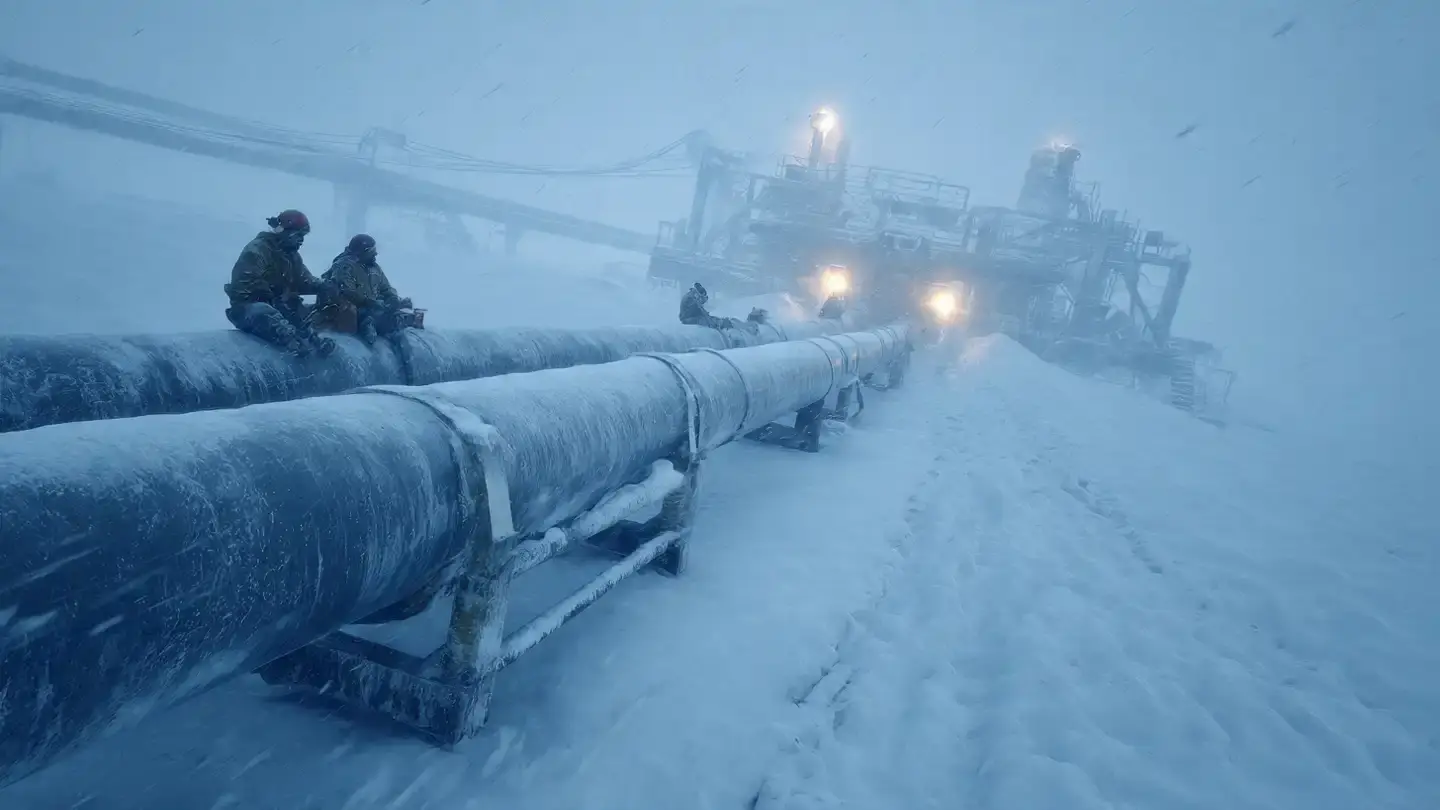
It considered factors like material, age, service level, corrosion risks, and operational history to determine the remaining capacity and guide renewal and asset management decisions. The five-stage program included desktop assessment, field planning, leak detection, structural data collection, and evaluation of remaining service life. This report discusses challenges, key findings, recommendations, and action plans for extending the forcemains’ service life. It also highlights project limitations and the need for additional assessment technologies. The goal is to offer municipalities and utilities guidance on using non-destructive technologies for assessing buried pressurized systems, particularly in colder regions.