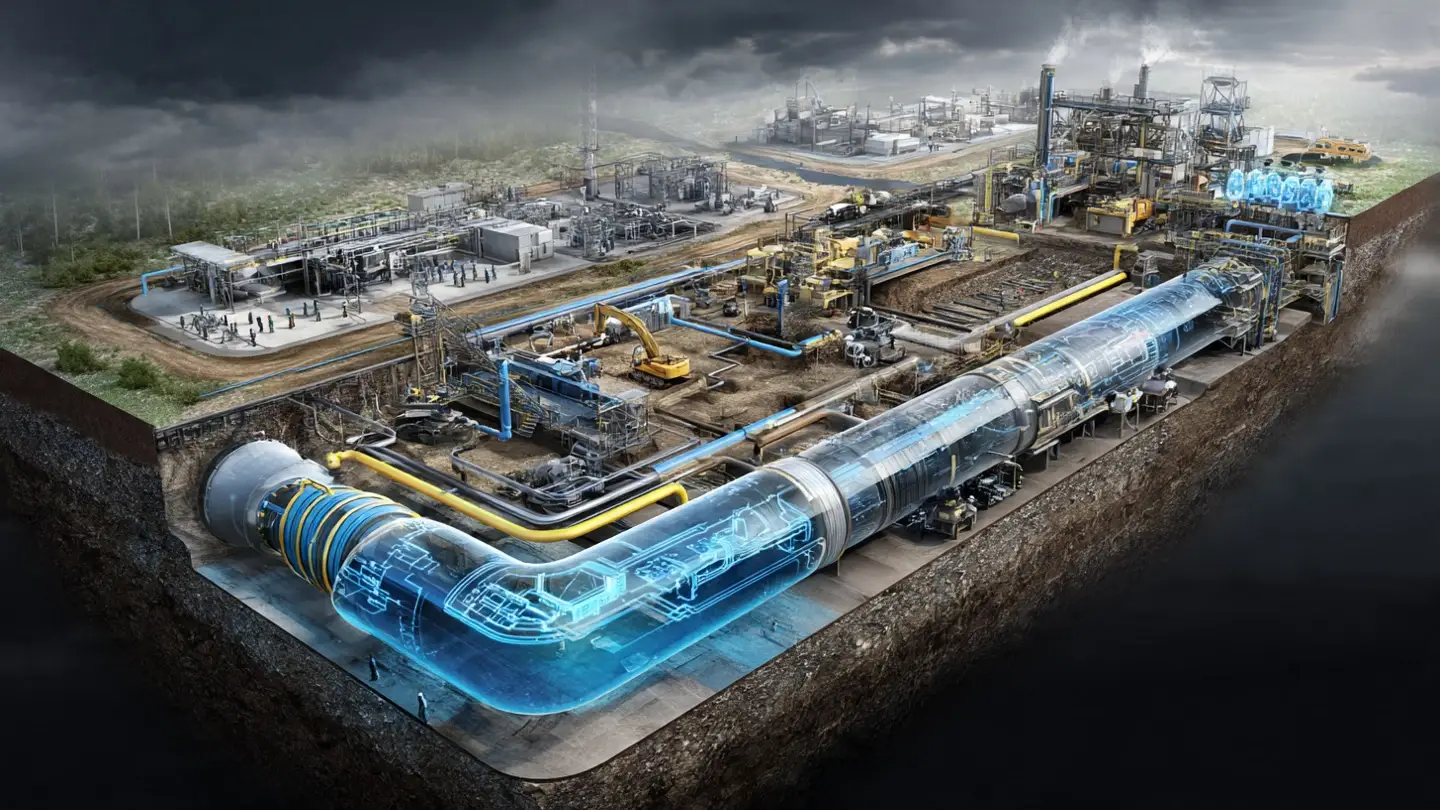
Infrastructure systems are often designed to meet immediate project requirements, but not always with full consideration of how they will perform over time. This gap is where many long-term challenges begin. Infrastructure lifecycle engineering addresses this issue by integrating planning, design, construction, and operation into a continuous decision-making process that supports performance, reliability, and cost efficiency.
Across Canada and globally, municipalities, developers, and infrastructure owners are facing increasing pressure to deliver systems that are not only functional at commissioning but remain sustainable and efficient throughout their lifecycle. Without a lifecycle-driven approach, even well-designed systems can experience premature deterioration, higher maintenance costs, and reduced operational performance.
What is Infrastructure Lifecycle Engineering?
Infrastructure lifecycle engineering is the practice of aligning engineering design with long-term asset performance. It considers how infrastructure systems will behave over time, including maintenance requirements, operational demands, environmental conditions, and future upgrades.
This approach is especially critical in municipal infrastructure engineering, pipeline design and lifecycle management, trenchless technology applications, building and facility design, and land development engineering. Each of these areas involves systems that must perform reliably over decades, often under changing conditions.
Why Traditional Design Approaches Fall Short
Traditional engineering design often focuses on meeting immediate technical specifications, regulatory requirements, and project budgets. While these are essential, they do not always account for long-term performance.
Common challenges include:
- Infrastructure designed without full lifecycle cost analysis
- Pipeline systems that lack long-term integrity planning
- Underground infrastructure installed without consideration for future access or rehabilitation
- Building and facility systems that require frequent upgrades due to outdated design assumptions
- Land development projects that do not fully integrate servicing and long-term infrastructure demands
These issues are not failures of engineering capability, but rather a result of fragmented decision-making.
The Role of Lifecycle Thinking in Infrastructure Performance
By integrating lifecycle engineering into infrastructure design, organizations can make better decisions from the start. This includes:
- Selecting materials and systems based on long-term performance
- Designing municipal infrastructure systems that accommodate future growth
- Developing pipeline design and lifecycle management strategies that reduce failure risk
- Applying trenchless technology to minimize disruption and extend asset life
- Planning building and facility design, upgrades, and improvements with adaptability in mind
- Aligning land development engineering with long-term servicing requirements
This approach leads to infrastructure that performs more reliably and requires fewer reactive interventions.
Introducing DESIGN360™: A Lifecycle-Driven Approach
At Avodahtec, we apply our DESIGN360™ Infrastructure Lifecycle Framework to bridge the gap between design and long-term performance. This framework integrates:
- Early-stage planning and feasibility
- Engineering design optimization
- Constructability and implementation
- Lifecycle cost and risk considerations
- Future maintenance and renewal planning
By connecting these elements, DESIGN360™ ensures that infrastructure engineering decisions are made with full visibility of their long-term impact.
Applications Across Infrastructure Systems
Infrastructure lifecycle engineering applies across multiple sectors:
In municipal infrastructure engineering, it supports the development of water, wastewater, stormwater, and transportation systems that remain efficient over time. In pipeline design, engineering, and lifecycle management, it improves system integrity and reduces failure risk. In trenchless technology and underground infrastructure, it enables solutions that minimize disruption while extending asset life.
For building and facility design, upgrades, and improvements, lifecycle engineering ensures that systems remain adaptable and efficient. In land development engineering, it aligns site design and servicing with long-term infrastructure performance.
Conclusion
Infrastructure lifecycle engineering is no longer optional. As systems become more complex and expectations for performance increase, organizations must move beyond traditional design approaches and adopt integrated, lifecycle-driven strategies.
At Avodahtec, we help clients achieve this through a structured approach that combines municipal infrastructure engineering, pipeline lifecycle expertise, trenchless technology, building systems design, and land development engineering into a cohesive solution.