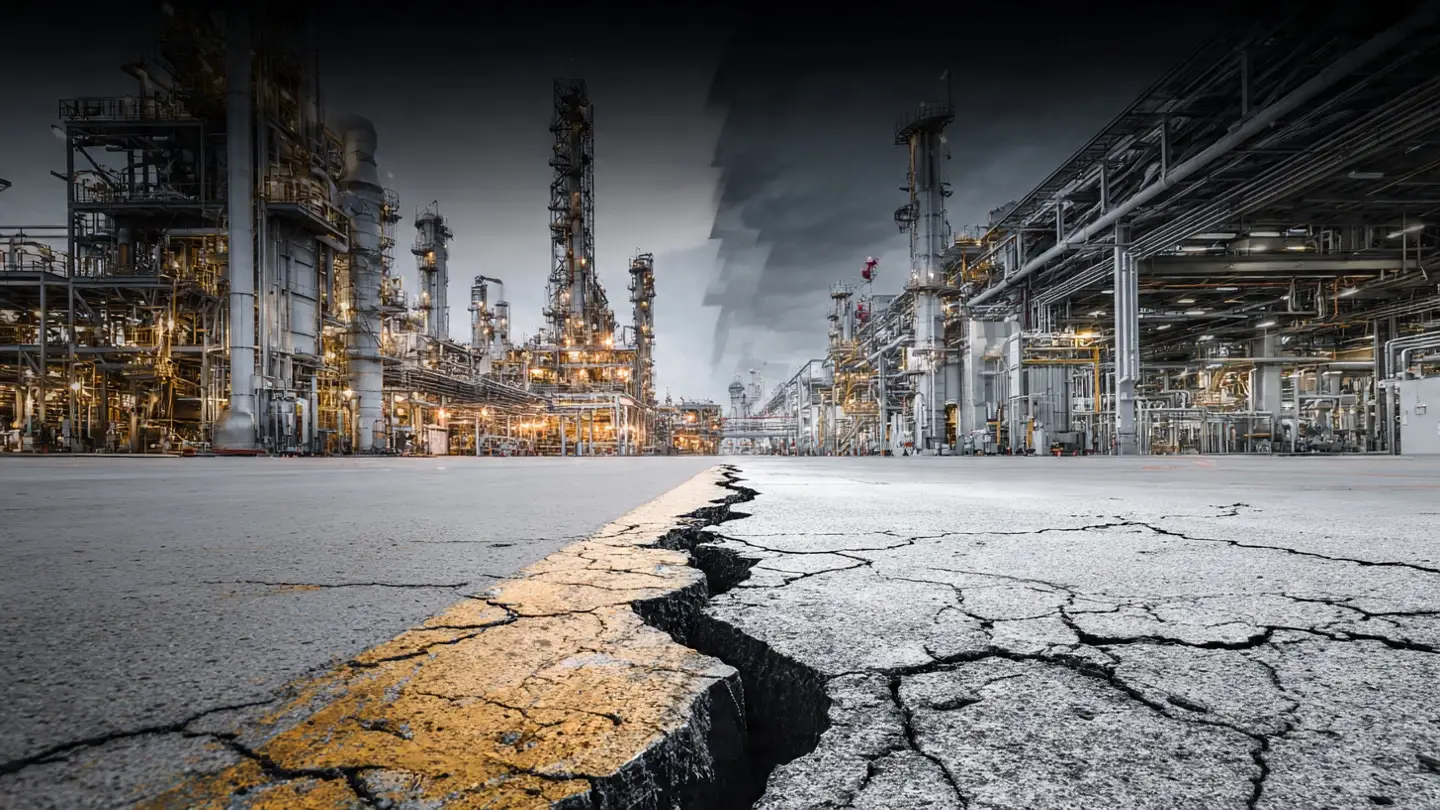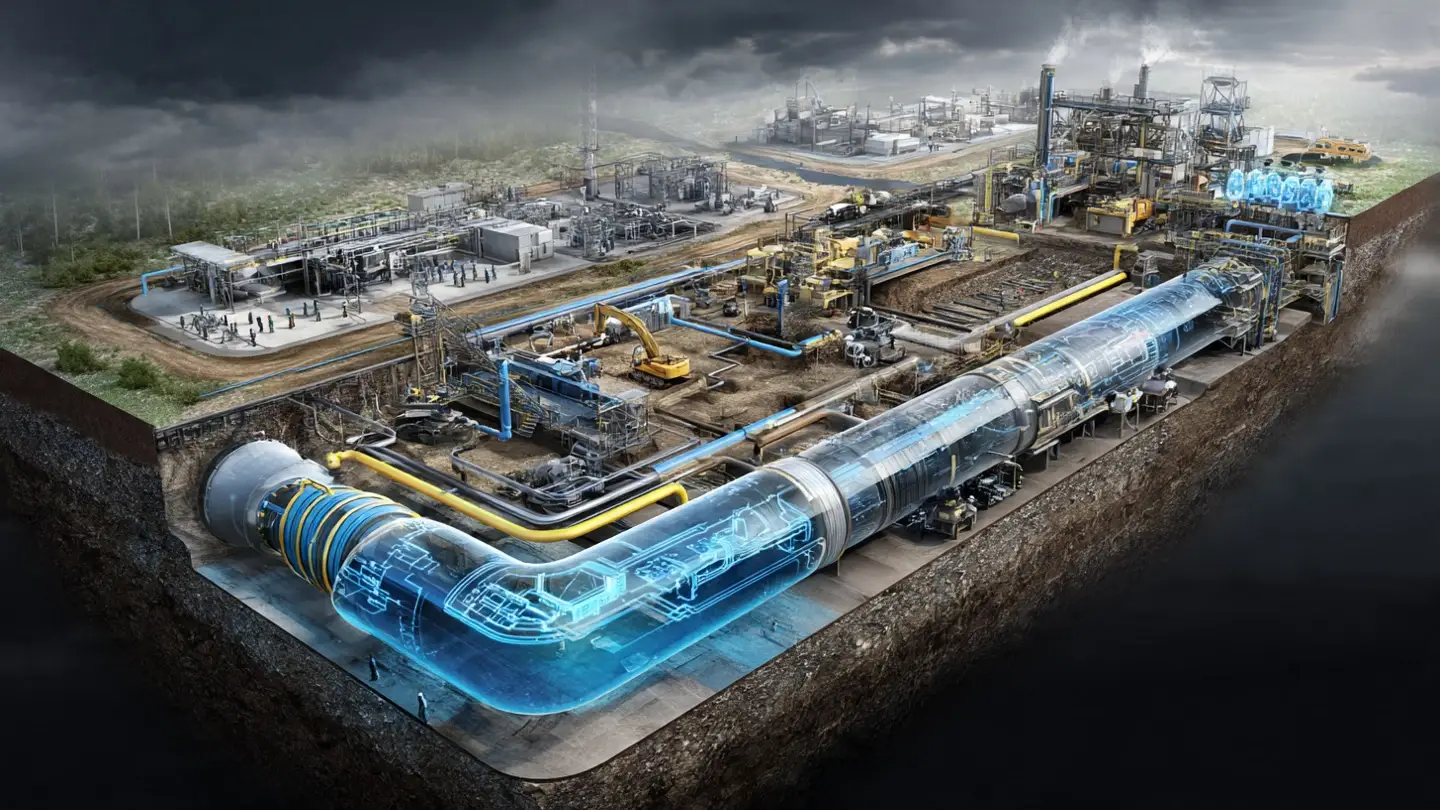
Pipeline systems are critical to energy, water, and industrial infrastructure, yet many failures can be traced back to decisions made during the design phase. Pipeline design and lifecycle management must be treated as a connected system rather than separate stages to ensure long-term performance, safety, and reliability.
Organizations that approach pipeline engineering as a lifecycle challenge rather than a one-time design exercise are better positioned to reduce risk, optimize performance, and manage costs effectively.
Understanding Pipeline Design and Lifecycle Management
Pipeline design and lifecycle management involves planning, designing, operating, maintaining, and eventually rehabilitating or replacing pipeline systems. Each stage influences the next, making it essential to consider the full lifecycle from the beginning.
This approach integrates pipeline design engineering with asset management, reliability considerations, and long-term operational planning. It also connects with broader infrastructure systems, including municipal infrastructure engineering, trenchless technology applications, and underground infrastructure networks.
Why Pipeline Failures Often Begin at Design
Many pipeline failures are not caused by operational issues alone, but by design decisions that did not fully consider long-term conditions. Common contributing factors include:
- Inadequate material selection for environmental conditions
- Limited consideration of future loading or usage changes
- Lack of integration between design and maintenance planning
- Insufficient risk assessment during early stages
Without a lifecycle perspective, these issues can lead to higher failure rates, increased maintenance costs, and operational disruptions.
The Importance of a Systems Approach
A systems approach to pipeline design and lifecycle management ensures that all stages are aligned. This includes:
- Designing pipelines with future inspection and maintenance in mind
- Integrating reliability engineering into design decisions
- Using trenchless technology and underground infrastructure methods to reduce installation risks
- Aligning pipeline systems with broader municipal infrastructure and land development engineering plans
This approach improves performance, reduces lifecycle costs, and enhances system resilience.
Integrating Trenchless Technology and Underground Infrastructure
Trenchless technology plays a key role in modern pipeline engineering by enabling installation, rehabilitation, and replacement with minimal surface disruption. When integrated into pipeline design and lifecycle management, trenchless solutions can:
- Reduce environmental impact
- Lower construction costs in complex environments
- Extend the life of existing infrastructure
- Improve constructability in urban and industrial settings
These advantages make trenchless technology an essential component of a lifecycle-driven pipeline strategy.
DESIGN360™ in Pipeline Engineering
At Avodahtec, we apply the DESIGN360™ Infrastructure Lifecycle Framework to pipeline design and lifecycle management. This allows us to:
- Align design decisions with long-term performance
- Incorporate risk and reliability considerations early
- Optimize pipeline systems for durability and efficiency
- Plan for inspection, maintenance, and future upgrades
By treating pipeline engineering as a continuous system, we help clients reduce failure risk and improve overall infrastructure performance.
Applications Across Sectors
Pipeline lifecycle management is critical across multiple sectors, including energy, municipal infrastructure, and industrial systems. Whether supporting water distribution networks, oil and gas pipelines, or underground infrastructure systems, a lifecycle approach ensures that pipelines remain safe, reliable, and efficient.
Conclusion
Pipeline design and lifecycle management must be approached as an integrated system to achieve long-term success. Organizations that adopt this mindset are better equipped to manage risk, reduce costs, and maintain reliable infrastructure.
At Avodahtec, we combine pipeline design engineering, lifecycle management expertise, trenchless technology, and infrastructure integration to deliver solutions that perform over time.