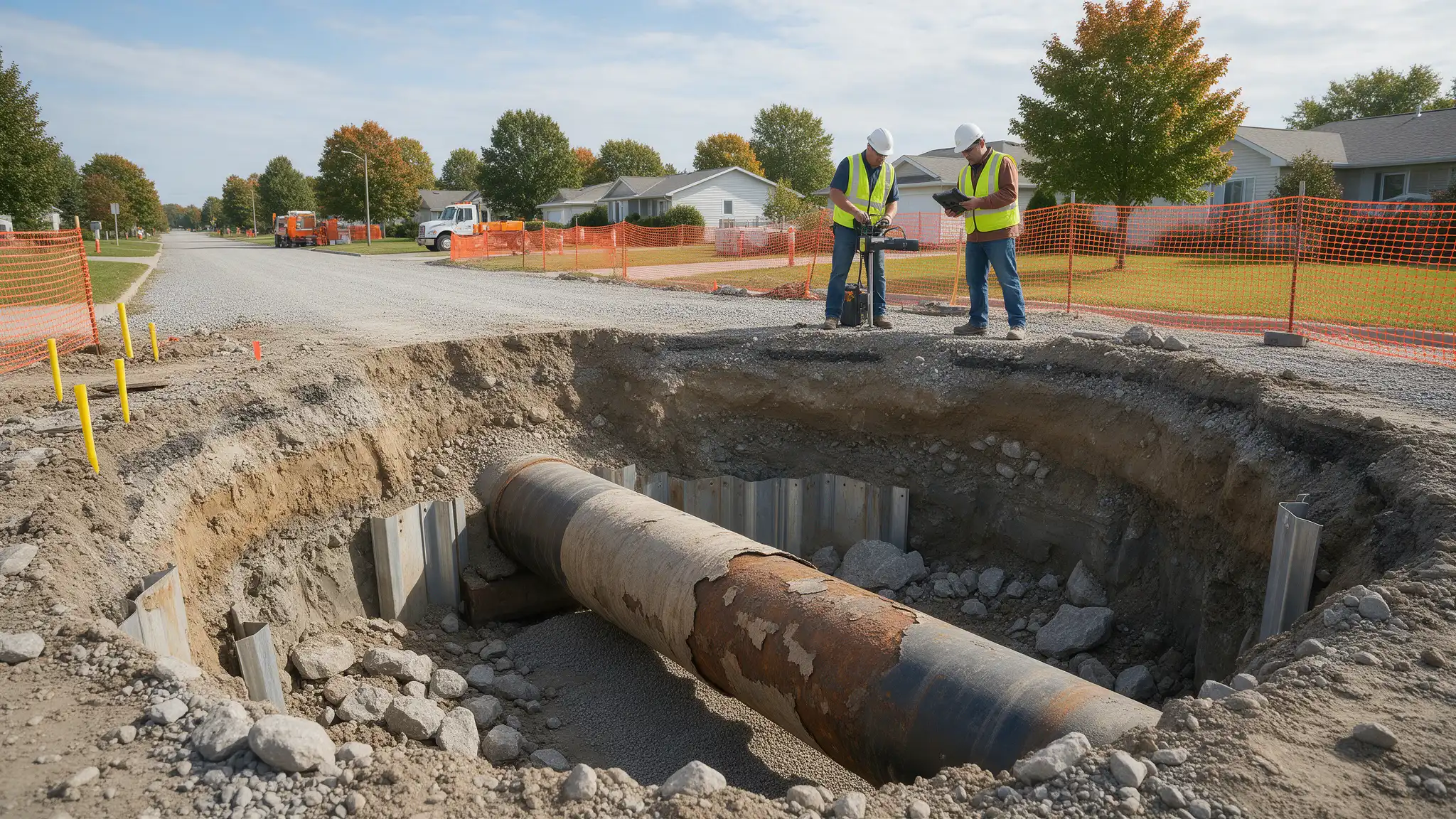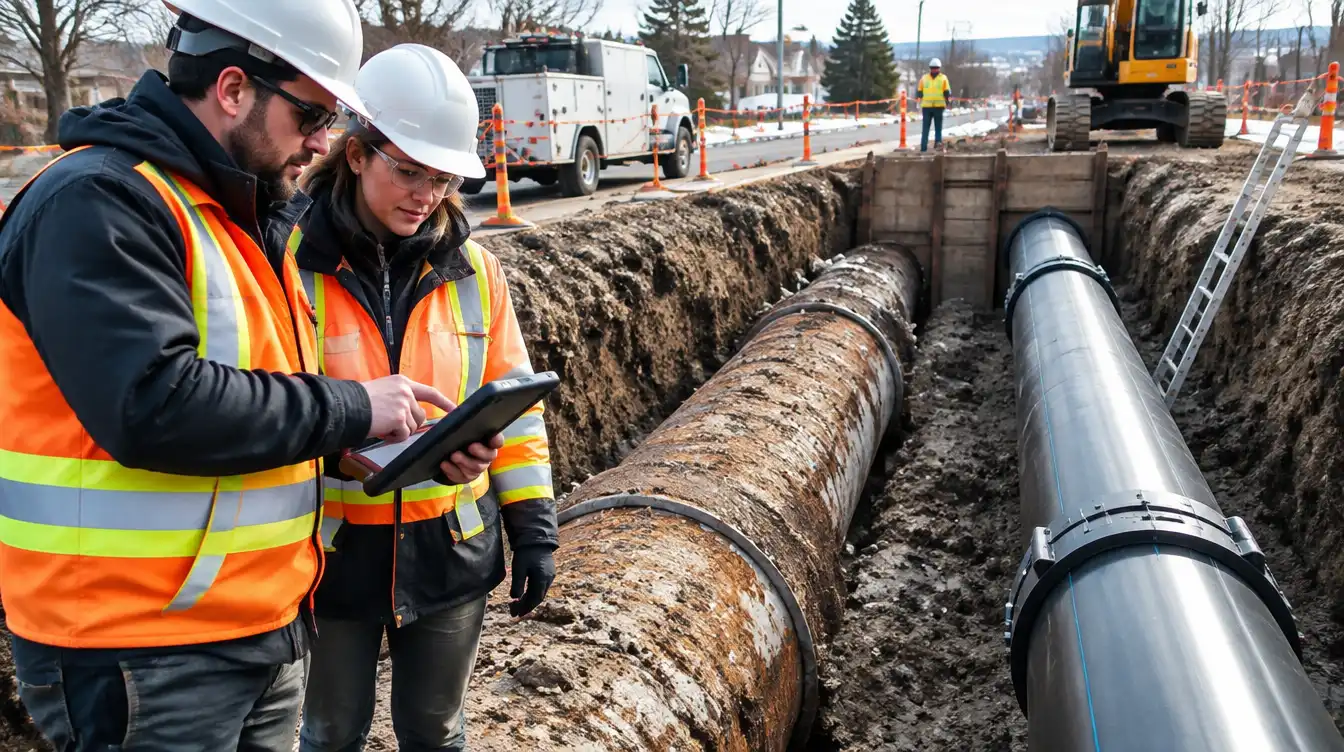
Managing pipelines from initial planning through operation, rehabilitation, and eventual decommissioning to improve reliability, control risk, and optimize long-term investment.
Pipelines are long-term infrastructure assets that may remain in service for decades. During that time, operating conditions, service requirements, asset condition, and the consequences of failure can change significantly.
Pipeline lifecycle management provides a coordinated framework for responding to these changes. It connects engineering, operations, condition assessment, maintenance, risk management, and capital planning so that decisions support both immediate service needs and long-term organizational objectives.
What Is Pipeline Lifecycle Management?
Pipeline lifecycle management is the systematic management of a pipeline from initial planning and design through construction, commissioning, operation, maintenance, rehabilitation, and eventual deactivation, replacement, or abandonment.
Rather than treating these activities as separate stages, a lifecycle approach considers how each decision affects future performance, risk, cost, and service life.
For asset owners, this means understanding what pipelines are owned, how they were constructed, what conditions they operate under, what threats may affect them, and when intervention should occur.
The Pipeline Lifecycle
Although terminology varies between organizations, the pipeline lifecycle generally includes:
- Planning and design
- Construction and commissioning
- Operation and performance monitoring
- Condition assessment and risk evaluation
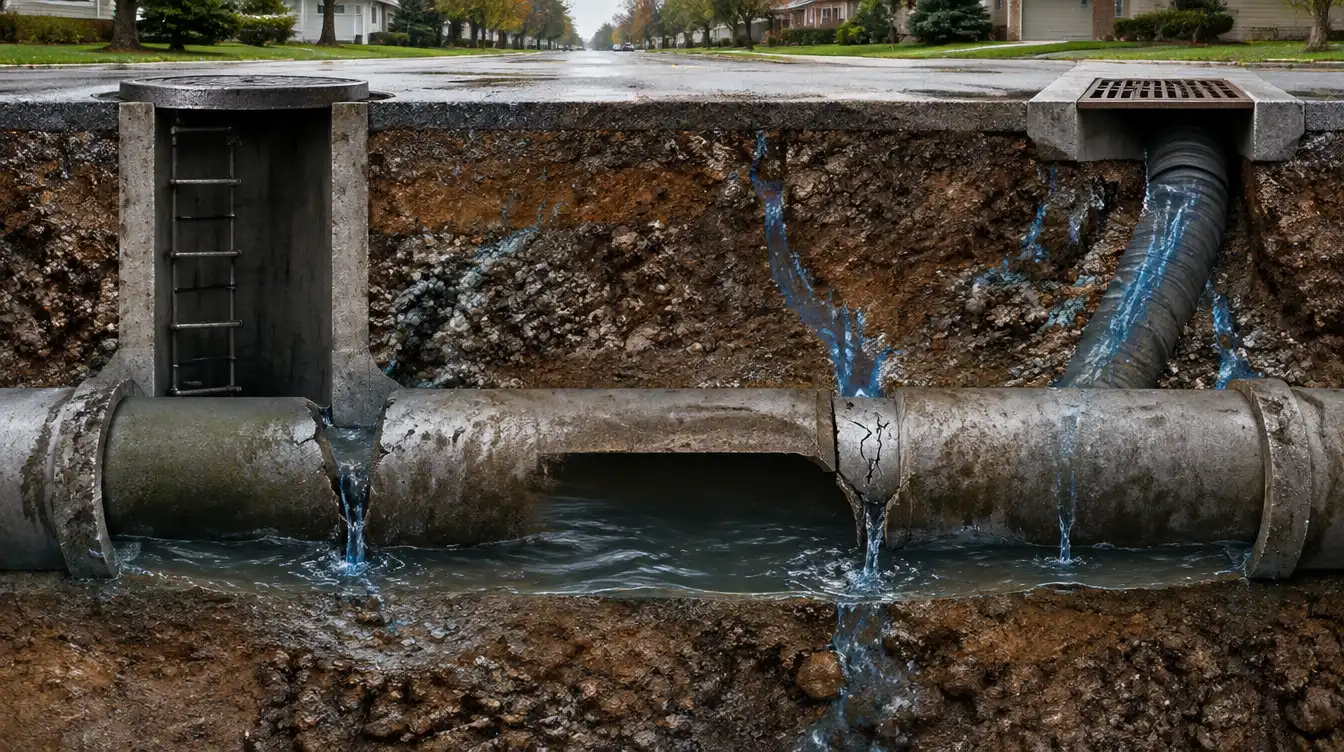
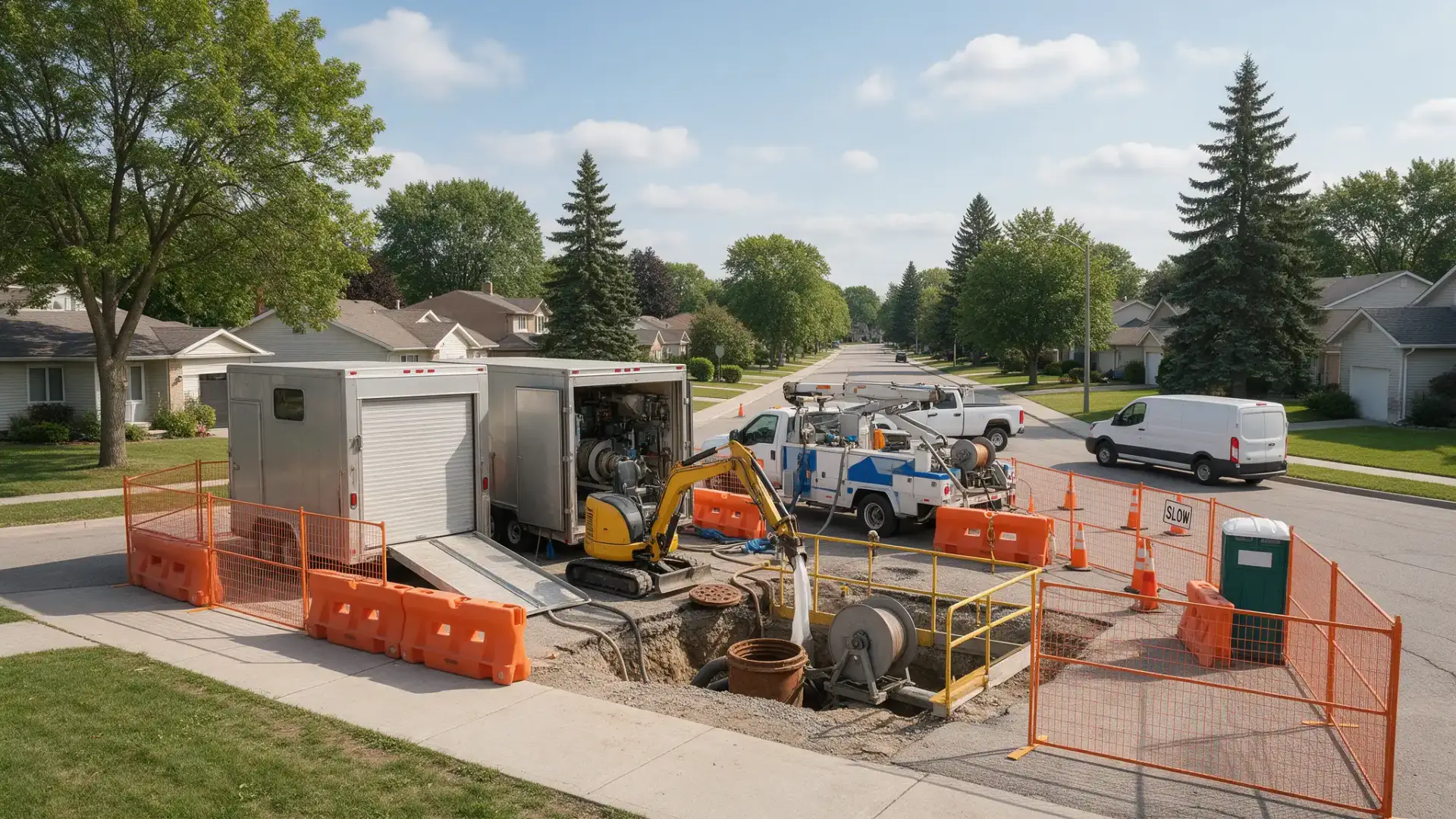
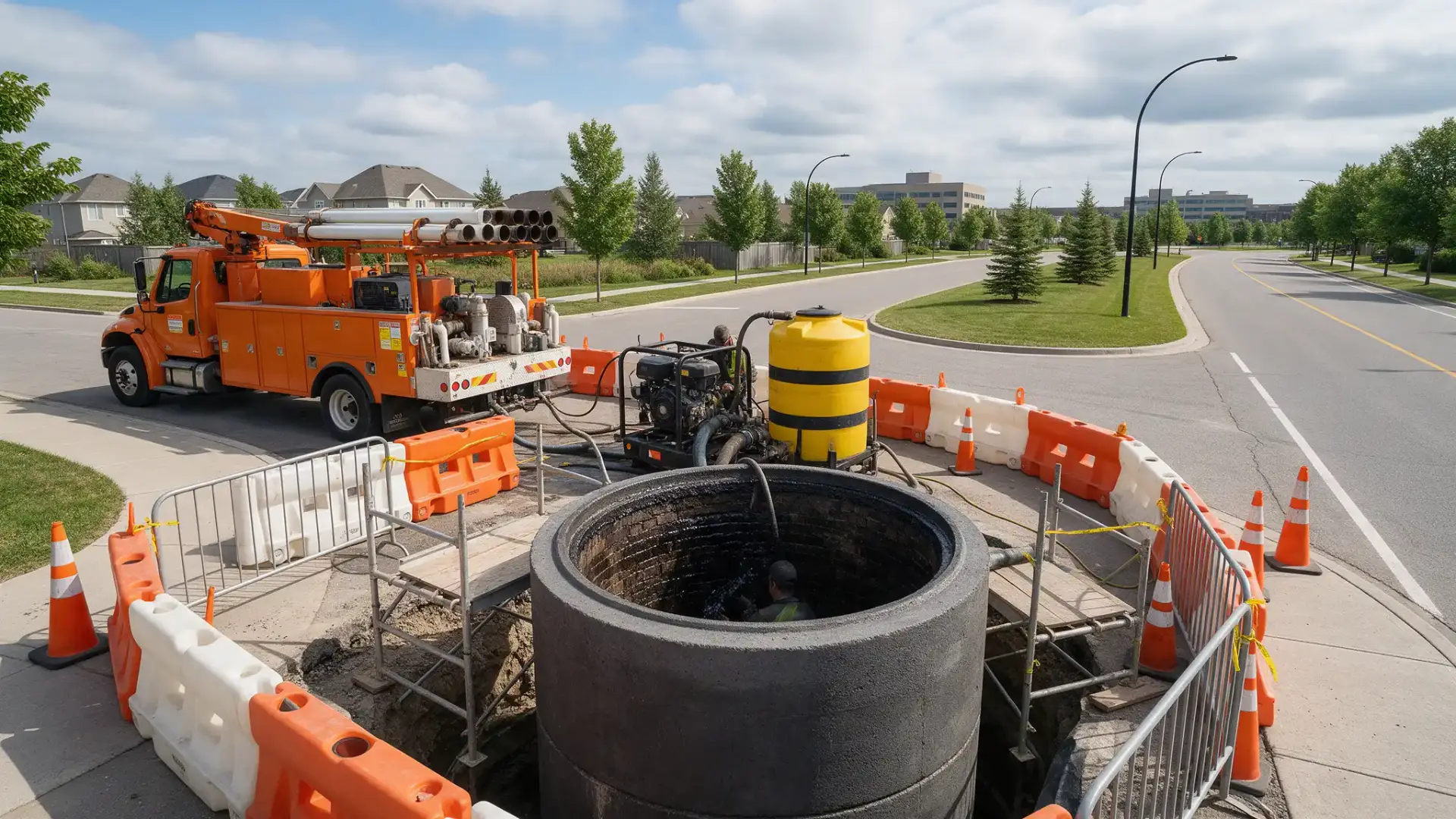
- Maintenance, repair, and rehabilitation
- Deactivation, replacement, or abandonment
Early decisions regarding alignment, material, capacity, corrosion protection, access, and constructability can influence the pipeline for decades. Construction records, testing results, and as-built information also become important inputs for future inspection and rehabilitation planning.
Once the pipeline enters service, operating, maintenance, and failure data provide evidence of how the asset is performing and whether risk is changing.
The Role of Condition Assessment
Condition assessment helps determine whether a pipeline remains suitable for continued service and what intervention may be required.
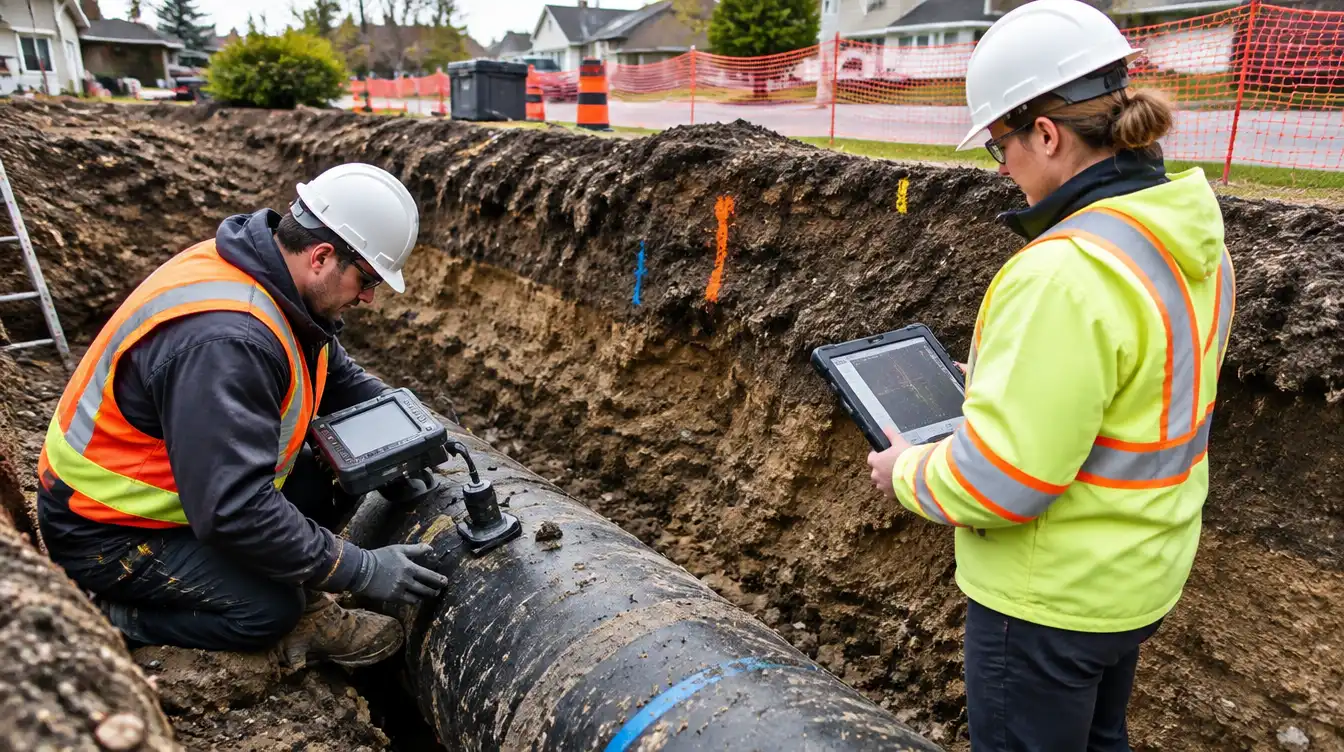
Depending on the pipeline, assessment may include records review, visual inspection, leak detection, pressure testing, internal inspection, external surveys, non-destructive testing, or material sampling.
No single technology is appropriate for every pipeline or deterioration mechanism. The inspection method should be selected according to pipe material, diameter, accessibility, operating status, credible threats, and the decision the assessment must support.
The objective is not simply to collect more data. It is to obtain the right information to reduce uncertainty and support a defensible action.
Risk-Based Decision-Making
Most asset owners cannot inspect or replace every pipeline at once. Risk-based prioritization directs resources toward assets where failure is more likely or where the consequences would be more significant.
Consequences may include service disruption, public or worker safety impacts, environmental damage, property damage, regulatory consequences, and emergency response costs.
Risk models do not predict the exact date of failure. Their value is in comparing assets, identifying information gaps, and supporting inspection and investment priorities.
Moving Beyond the Lowest Initial Cost
The lowest-cost option at construction may not provide the best long-term value. Material selection, inspection access, energy use, maintenance requirements, rehabilitation options, and failure risk can all affect total ownership cost.
Lifecycle evaluation helps owners compare continued maintenance, localized repair, rehabilitation, and replacement. This reduces the likelihood of replacing suitable assets too early or continuing to repair pipelines that no longer provide acceptable reliability.
Regulatory and Operational Context
Pipeline requirements vary by jurisdiction, ownership, transported product, and pipeline classification. Oil and gas pipelines, municipal utility systems, and industrial pipelines may be governed by different codes, regulations, permits, and owner standards.
Lifecycle management supports compliance, but it does not replace the need to identify the requirements applicable to each asset.
An Integrated Approach
At Avodahtec, we support asset owners by connecting pipeline engineering with condition assessment, risk analysis, rehabilitation planning, lifecycle costing, and capital prioritization.
This integrated approach helps owners understand current performance, select appropriate interventions, and plan for future inspection, renewal, and end-of-life requirements.
Conclusion
Pipeline lifecycle management is more than an inspection program or maintenance schedule. It is a continuous decision-making process connecting engineering, operations, risk, asset information, and financial planning.
Organizations that adopt this approach are better positioned to reduce unexpected failures, extend the useful life of suitable assets, and direct capital investment where it provides the greatest long-term value.