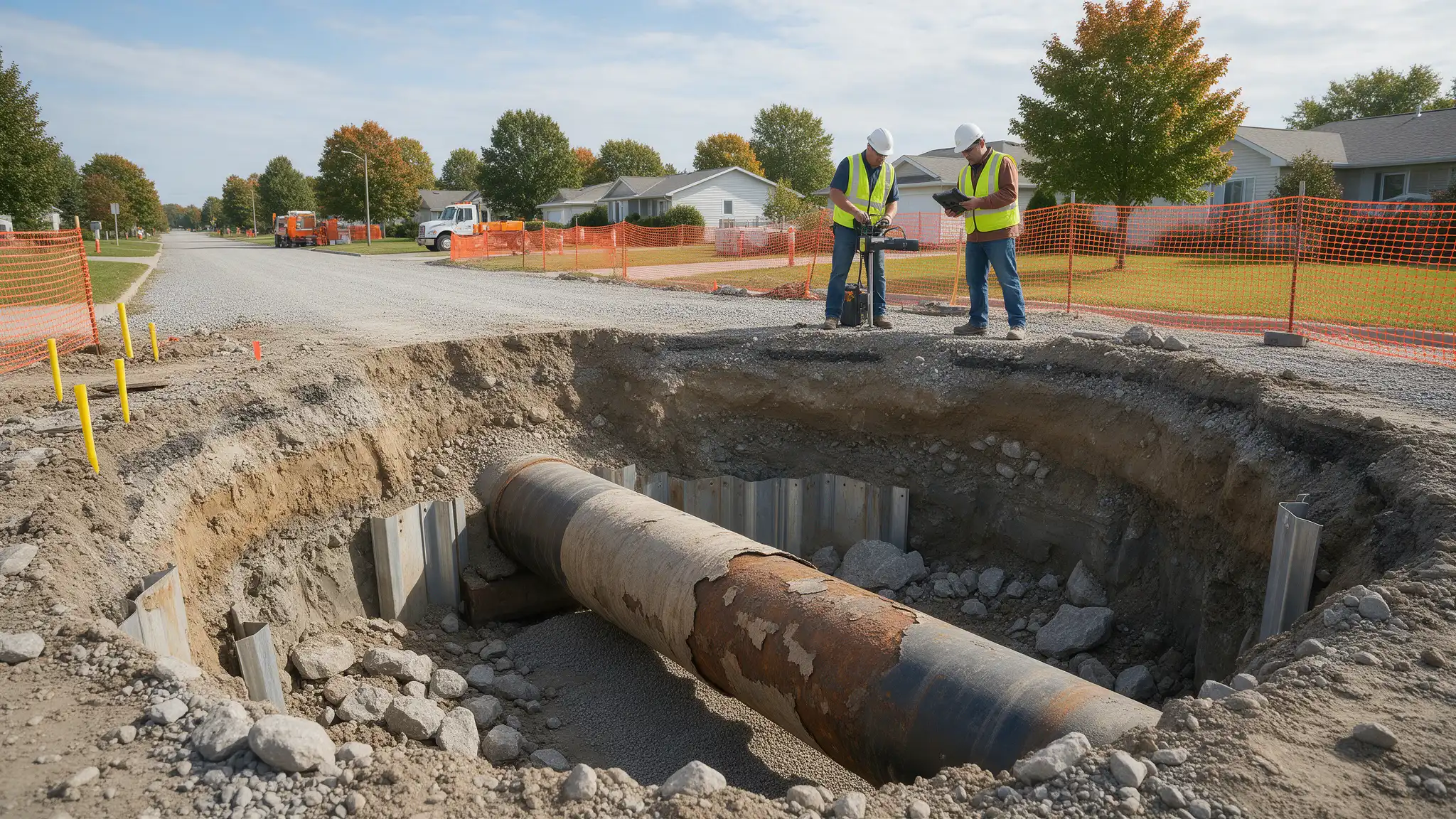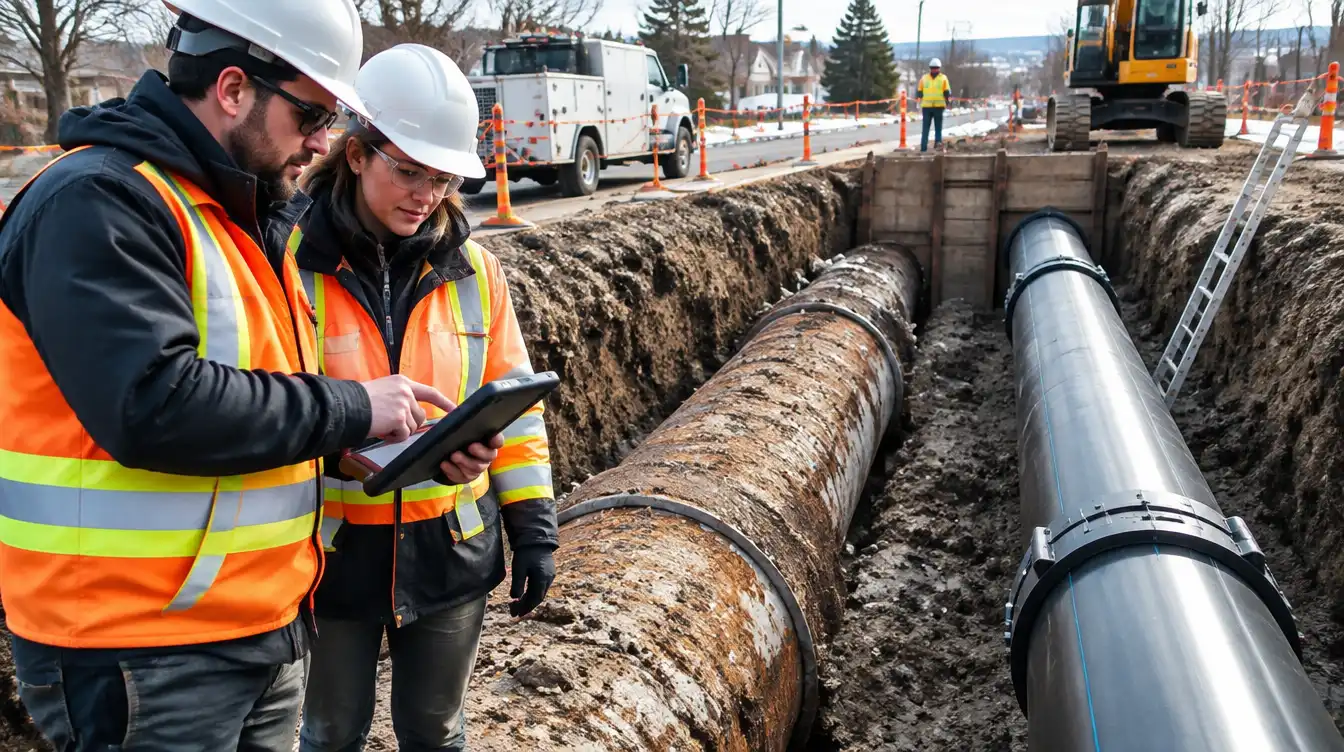
When pipes, roads, and facilities are all aging at once, the capital budget may cover only a fraction of the need. The goal is not to fix everything at once. It is to fund the right work in the right order.
Infrastructure asset management makes that decision more defensible. It gives municipalities and utilities a structured, evidence-based way to explain where each dollar goes.
This guide explains how municipalities and utilities prioritize renewal when money is tight, how that priority list becomes a capital plan, and what a sound asset management plan actually contains.
What infrastructure asset management actually is
Infrastructure asset management is a structured approach to managing physical assets across their lifecycle. It covers acquisition, operation, maintenance, renewal, and eventual disposal.
The objective is to deliver the required level of service at an acceptable level of risk and the lowest practical long-term cost.
Infrastructure asset management is about the physical systems a community depends on: water and sewer networks, roads, bridges, pump stations, and buildings. Depending on the jurisdiction and funding program, municipalities may also need an asset management plan to meet regulatory or funding requirements. Applicable requirements should be confirmed for each owner.
For an example of multidisciplinary facility infrastructure assessment and upgrade planning in an essential-service setting, see Avodahtec’s Whitehorse General Hospital Laboratory Infrastructure project.
The goal is to sustain required services while balancing lifecycle costs, risk, and affordability across the asset portfolio. This requires coordination between engineering, operations, finance, and the people responsible for setting service priorities.
Why ‘worst first’ fails, and what to do instead
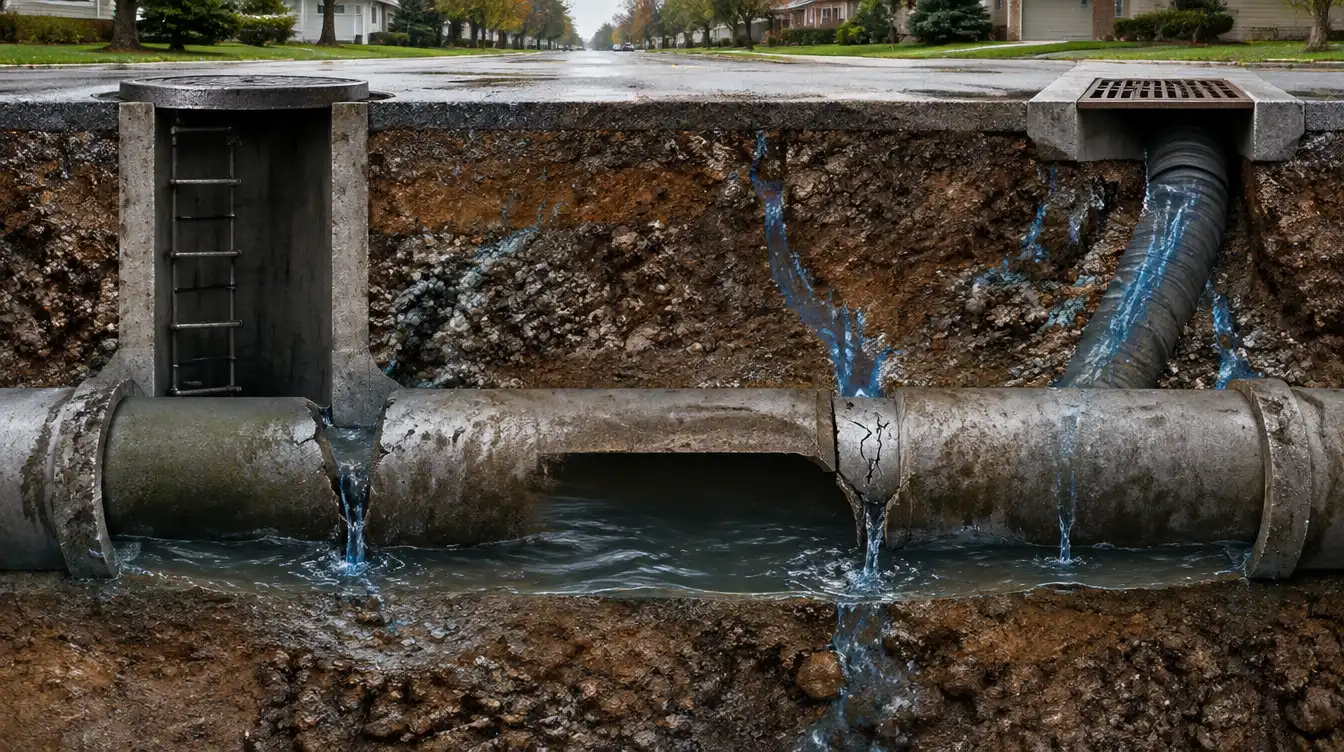
The instinctive approach is “worst first”: find the most deteriorated assets and fix those. That can be misleading.
Condition is important, but condition alone can overlook more serious service, safety, environmental, or financial risks.
A deteriorated pipe serving a small area may have lower failure consequences than a trunk watermain supplying a hospital or downtown core. However, the trunk main does not automatically carry greater risk: that depends on both its likelihood of failure and the consequences, including whether alternative supplies are available. Spending the budget on the most visibly deteriorated assets can leave other significant risks unaddressed.
The alternative is risk-based prioritization. It asks two core questions:
- How likely is the asset to fail over a defined period?
- What would the consequences be if it failed?
The next step is to compare available interventions, their costs, and the risk reduction they can achieve. Immediate safety concerns and mandatory obligations still need to be addressed, even if a numerical ranking suggests otherwise.
The inputs a defensible prioritization needs
A prioritization is only as credible as the data behind it. Six inputs do most of the work:
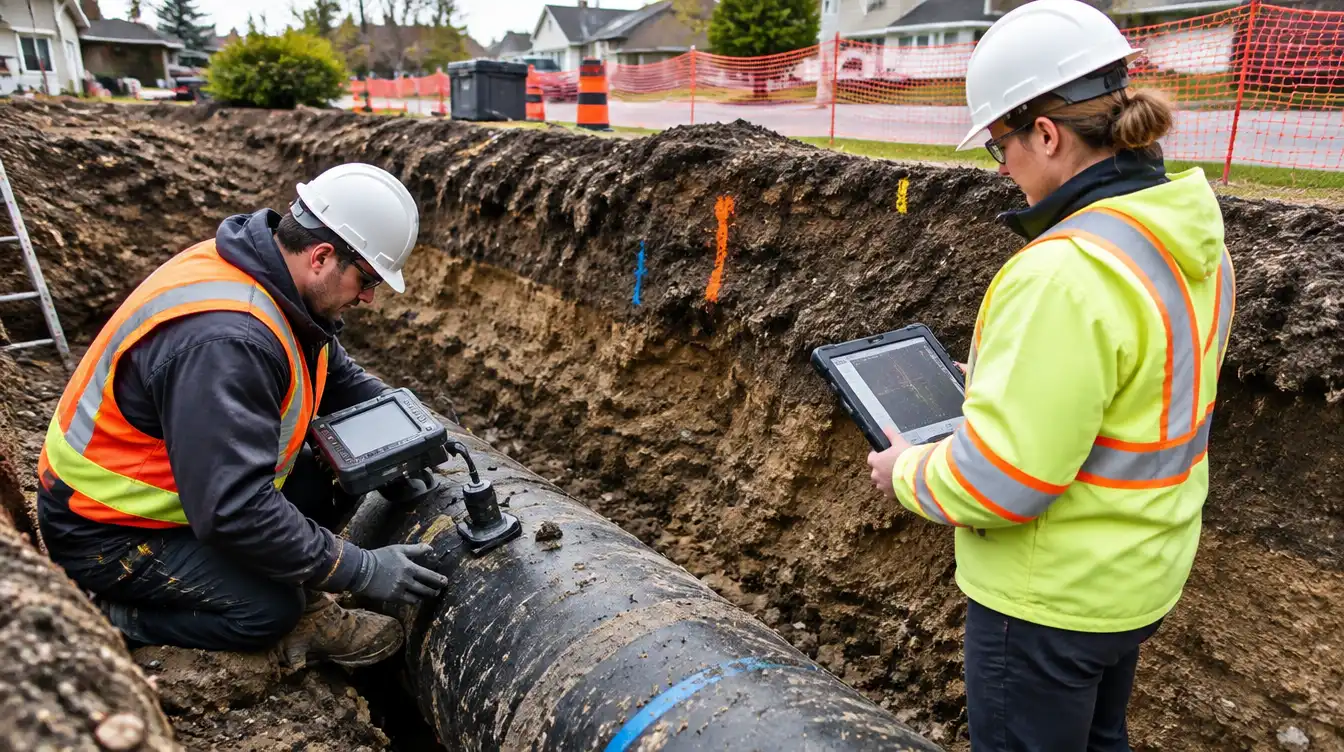
Condition. A consistently assessed record of each asset’s physical state, supported by inspections, testing, and maintenance records where available. The assessment should identify its date, coverage, and limitations; a condition grade is not, by itself, a probability of failure.
Likelihood of failure. An estimate or rating of the chance that an asset will fail to perform its required function over a defined period. Relevant evidence may include condition, failure history, material, operating loads, environmental exposure, and known deterioration mechanisms.
Consequence of failure. The potential effects on public safety, service continuity, the environment, regulatory compliance, and finances. The assessment should consider affected users, the duration of disruption, available redundancy, and the practical difficulty of restoring service.
Remaining useful life. An estimate of how long the asset can continue meeting its required function under stated operating and maintenance assumptions. This is uncertain and should be updated as evidence improves; age or an accounting depreciation period alone does not establish the physical time remaining before failure.
Replacement and rehabilitation cost. The estimated costs and benefits of feasible interventions, including maintenance, repair, rehabilitation, and replacement. Comparisons should include implementation costs, future operating and maintenance needs, expected service life, and residual risk.
Level of service. The measurable performance the owner must or intends to provide, reflecting regulatory obligations, community needs, and affordability. Measures may include service reliability, capacity, water quality, or response time, with targets used to identify current and future performance gaps.
These inputs do not need to be equally detailed for every asset. Data gaps and confidence levels should be recorded, with further investigation targeted where uncertainty could materially change a high-consequence decision.
Building the priority list: likelihood times consequence
A common approach combines likelihood of failure with consequence of failure. This is often expressed as:
Risk = likelihood × consequence
The assessment must define the failure event, time horizon, and scoring method so the results can be interpreted consistently.
Likelihood should draw on condition, operating, and failure information. Consequence should reflect effects such as:
- service interruption;
- public safety impacts;
- environmental harm; and
- financial cost.
If numerical ratings are used, the scales and combination rules must be defined. Multiplying category scores produces a relative risk index. It does not automatically produce a measured probability or expected financial loss.
The output is a documented risk ranking that supports professional judgment. It is an input to investment planning, rather than an automatic construction sequence. Project selection must also consider service obligations, achievable risk reduction, lifecycle benefits, cost, dependencies, and delivery constraints.
Assets with similar scores may have very different failure scenarios and intervention needs. Reviewing the underlying likelihood and consequence ratings helps prevent important distinctions from being lost in the final number.
Turning priorities into a capital improvement plan
A ranked list of risks is not yet a plan. A capital improvement plan (CIP) turns those priorities into a multi-year program.
A useful CIP identifies:
- proposed project timing;
- project scope;
- estimated costs;
- funding sources; and
- needs that remain unfunded.
The plan should also distinguish approved funding from forecast or conditional funding.
This is where asset management meets the budget. The CIP sequences projects over a planning horizon, balances the ideal timing of each intervention against annual funding limits, and bundles work that can be done together to save cost. It gives council or the utility board a clear line of sight from asset condition, service needs, and risk to the dollars requested, supporting budget deliberations and funding applications.
Avodahtec applied this type of data-driven, risk-based planning in the Neighbourhood Buried Utility Condition Assessment and Rehabilitation Program for the Town of Morinville, supporting a five-year capital planning strategy.
Project estimates should identify their basis, uncertainty, contingency, and allowance for future price changes. The program should also account for design and approval lead times, delivery capacity, and the operating and maintenance costs created by each project. Funding requirements and eligibility must be checked against the relevant program.
Done well, the capital improvement plan is the bridge between engineering reality and financial reality.
What a municipal asset management plan includes
The document that brings these decisions together is the asset management plan. A sound plan generally includes the following core parts.
Asset inventory and register. A structured record of assets and responsibilities, including unique identifiers, locations, relevant attributes, and known data gaps. The register should be maintained as assets are inspected, modified, acquired, or retired.
Condition and performance. The current state of the assets and how well they are meeting the required level of service.
Levels of service and future demand. Defined performance measures and targets, together with anticipated changes in demand, capacity needs, and operating conditions.
Risk assessment. The principal failure scenarios, their likelihood and consequences, existing controls, and the risks associated with proposed actions or deferral.
Lifecycle strategy. The mix of operations, maintenance, repair, rehabilitation, replacement, and retirement activities selected to meet service requirements at an acceptable level of cost and risk.
Financial strategy. What the plan will cost over time and how it will be funded, including the gap between need and available money. The strategy should distinguish capital and operating requirements, identify funding assumptions, and explain the service and risk implications of any shortfall.
Improvement plan. How the data, processes, and plan itself will get better over time, with assigned responsibilities, priorities, and review dates.
Implementation and monitoring. Who is responsible for carrying out the plan, how progress and service performance will be measured, and when priorities will be reviewed.
A plan does not require expensive software to begin. It requires good data and a sound method.
An owner can start with available records, a structured asset register, and a documented decision process. Data quality can improve over time. Clear responsibilities and regular updates are more important than starting with a complex software platform.
Closing the infrastructure gap with just-in-time investment
Many owners face an infrastructure funding gap: the difference between the expenditure needed to deliver defined services over a stated period and the funding expected to be available. The size of that gap depends on service targets, asset condition, intervention choices, and cost assumptions.
Allowing critical assets to fail without an appropriate contingency can create substantial disruption and unplanned expenditure. However, planned run-to-failure can be reasonable for low-consequence assets where failure is tolerable and restoration is straightforward. The appropriate strategy depends on service needs, risk, and lifecycle cost.
A just-in-time investment strategy aims to intervene within a justified window. The goal is to avoid renewing an asset too early while still allowing enough time to manage deterioration and deliver the work.
This approach does not assume the exact failure date can be predicted. Inspection findings, performance trends, and risk thresholds should guide timing, with allowances for uncertainty, procurement, design, and construction.
Better timing and targeted rehabilitation can reduce avoidable expenditure, but prioritization alone cannot eliminate a funding shortfall. The plan should make the remaining gap visible and explain the implications of additional funding, revised service targets, or deferred work.
Frequently asked questions
What is infrastructure asset management?
It is a structured approach to managing physical assets, such as water and sewer networks, roads, and facilities, across their lifecycle, so an owner delivers the required level of service at the lowest long-term cost and acceptable risk.
What is the difference between an asset management plan and a capital improvement plan?
An asset management plan sets out the assets, service requirements, risks, lifecycle activities, and financial needs involved in delivering services. A capital improvement plan translates part of that strategy into specific capital projects, with proposed timing, costs, and funding sources. Inclusion in a capital plan does not necessarily mean that funding has been approved.
How do you decide which assets to replace first?
Assess likelihood and consequence of failure alongside service requirements, then compare feasible interventions and their lifecycle benefits, costs, and risk reduction. Replacement is not always the preferred action: maintenance, repair, rehabilitation, or additional investigation may be more appropriate. Safety obligations, project dependencies, and funding constraints also influence the sequence.
Does asset management require expensive software?
No. A structured register, available records, and a documented decision process can provide a starting point. Data quality, assigned responsibilities, and regular updates are essential. Software can support these activities as the portfolio’s complexity and reporting requirements increase.
Book a free consultation
Avodahtec is an independent engineering advisor. We help municipalities and utilities assess asset condition, build risk-based priorities, and turn those priorities into asset management plans and capital programs.
Because we do not sell construction or an asset-management software product, our advice is focused on service requirements, risk, and available budget.
From there we can support design, project and construction management, tender preparation, bid evaluation, contract administration, and construction oversight. As prime consultant, we can coordinate the engineering team and support delivery in accordance with the owner’s procurement process and our agreed scope.
Book a free consultation to discuss your asset information, service priorities, and next steps for developing a defensible investment program.