
Pipe Rehabilitation vs Replacement: A Cost and Condition Guide for Municipalities and Utilities
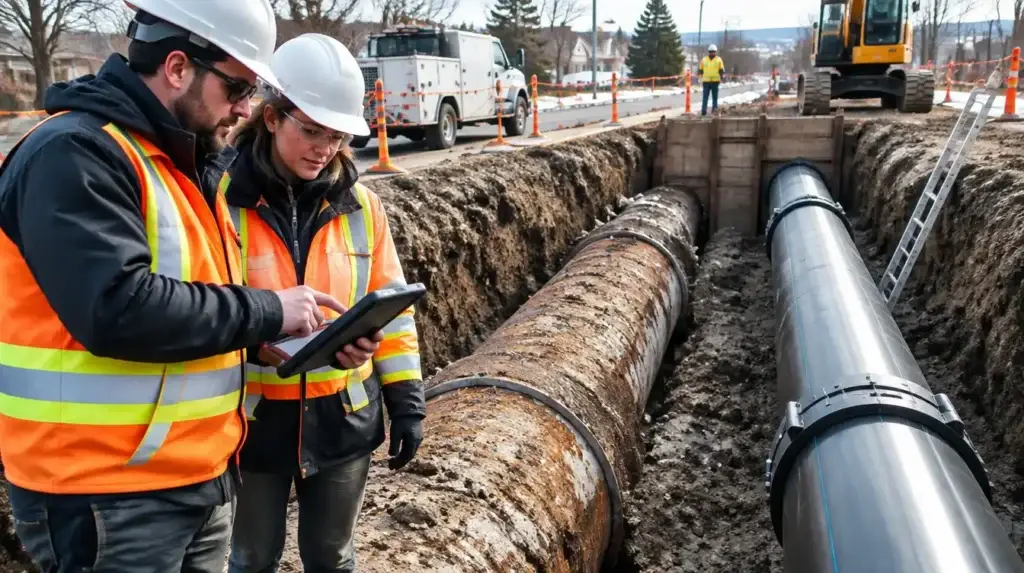
Many aging pressurized and sewer pipes can be rehabilitated rather than replaced. Where technically suitable, rehabilitation can reduce excavation, surface restoration, and disruption. The appropriate investment depends on the asset’s condition, hydraulic requirements, failure consequences, and whole-life cost. This guide walks through how that decision is made, why replacement carries the costs it does, […]
Infrastructure Asset Management: How to Prioritize Renewal on a Limited Capital Budget

When pipes, roads, and facilities are all aging at once, the capital budget may cover only a fraction of the need. The goal is not to fix everything at once. It is to fund the right work in the right order. Infrastructure asset management makes that decision more defensible. It gives municipalities and utilities a […]
Inflow and Infiltration: Why Clean Water in Your Sewers Is Costing You
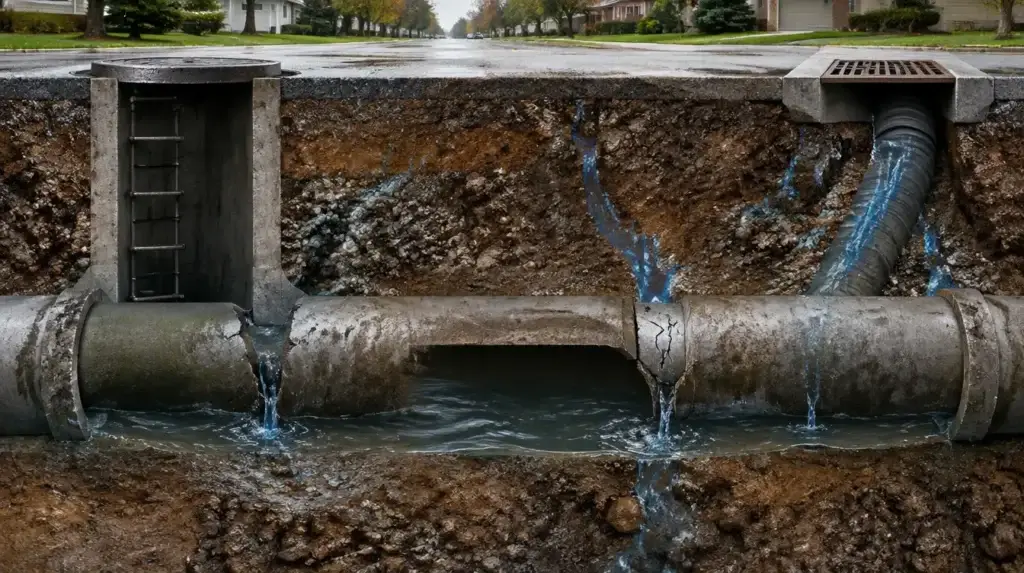
Groundwater and stormwater entering a sanitary sewer can increase pumping and treatment demands and use up capacity needed for wastewater. That is inflow and infiltration, or I&I. During heavy rain, excess flow can contribute to sewer backups and overflows. The financial impact depends on how much water enters, when it enters, and the utility’s operating […]
Trenchless Pipe Rehabilitation Methods Compared: CIPP, Slip Lining, and Pipe Bursting
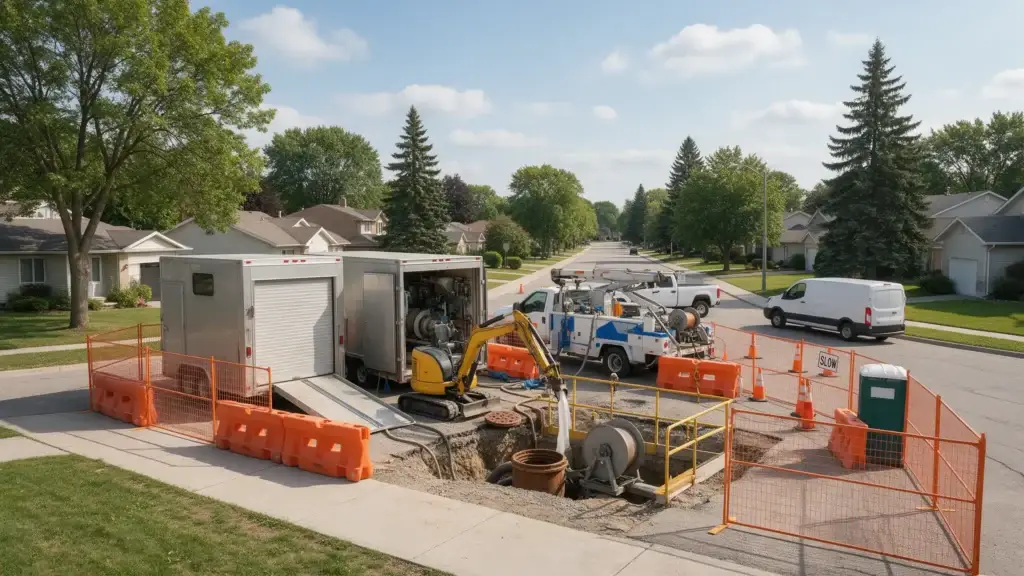
Trenchless methods let an owner renew or replace a buried pipe while limiting excavation along its length. That can reduce cost and disruption, but it raises a new question: which trenchless method is right? The main options, cured-in-place pipe, slip lining, and pipe bursting, solve different problems, and choosing the wrong one may leave the […]
Pipeline Condition Assessment: How to Know a Buried Pipe’s True Condition
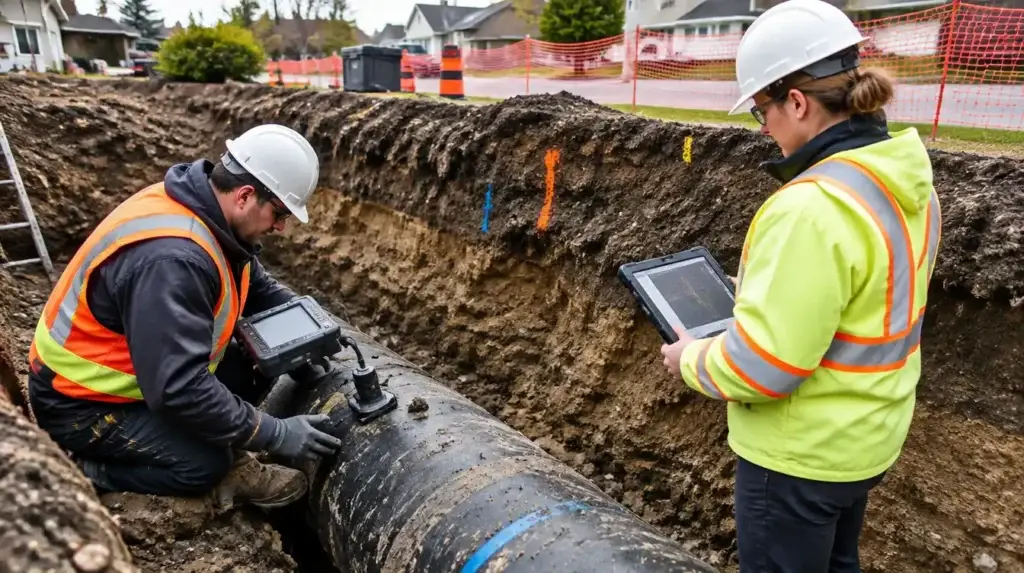
Most of a buried pipe is inaccessible to routine observation. Pipeline condition assessment helps an owner understand its condition before deciding what to do next. A well-planned assessment reduces uncertainty and supports decisions about maintenance, repair, rehabilitation, replacement, or continued monitoring. It also makes clear what the available evidence cannot establish. This guide explains the […]
Manhole Rehabilitation: Stopping Corrosion and Infiltration Without Digging
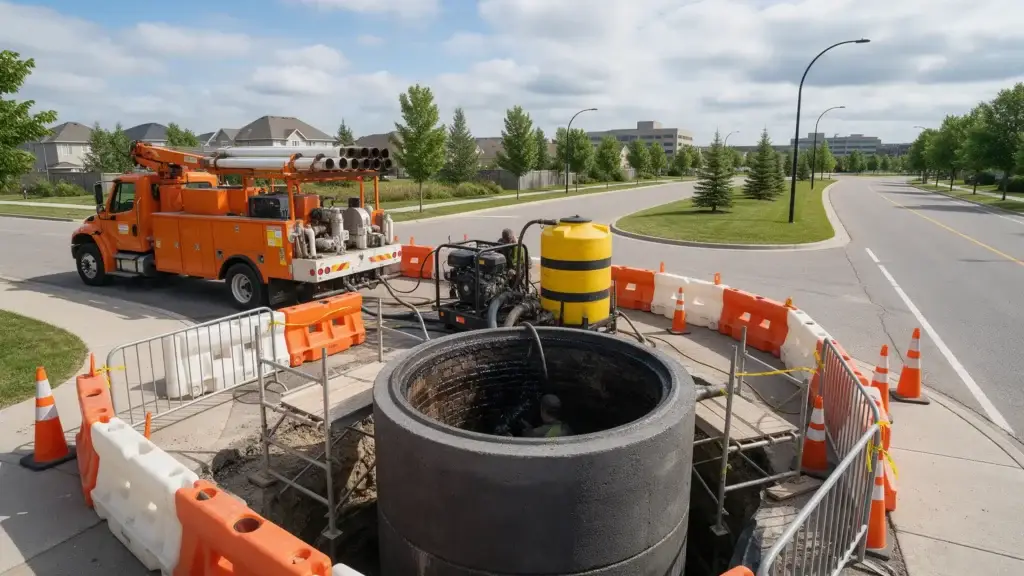
Manholes can become significant sources of unwanted water in a sanitary sewer and can deteriorate where corrosive sewer gases are present. Many can be repaired from the inside, but the appropriate work depends on the cause and extent of damage. This guide explains why manholes deteriorate, the methods used to rehabilitate them, and how to […]
Watermain and Pipeline Corrosion: Why Buried Pipes Fail and How to Catch It Early
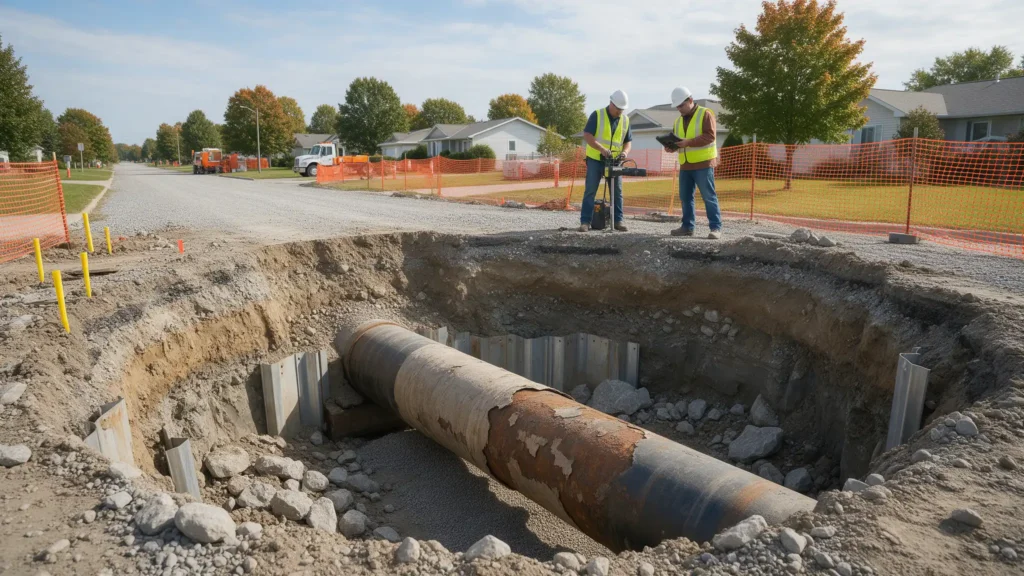
Corrosion is an important cause of deterioration in metallic pipelines, but it is not the only reason buried pipes fail. It can cause localized pitting, metal loss, and damage to metallic components. In some cases, this deterioration develops without obvious surface evidence. Understanding the corrosion mechanism and detecting deterioration early can help owners manage the […]
Understanding Pipeline Risk Assessment Methods Used in Alberta

How qualitative, semi-quantitative, and quantitative methods help Alberta pipeline owners prioritize threats, inspections, mitigation, and investment. Pipeline risk assessment in Alberta supports decisions about integrity, maintenance, emergency planning, and capital investment. It helps owners compare assets and determine where additional information or intervention will reduce risk most effectively. The method must fit the pipeline and […]
What Is a Pipeline Condition Assessment and Why Does It Matter?
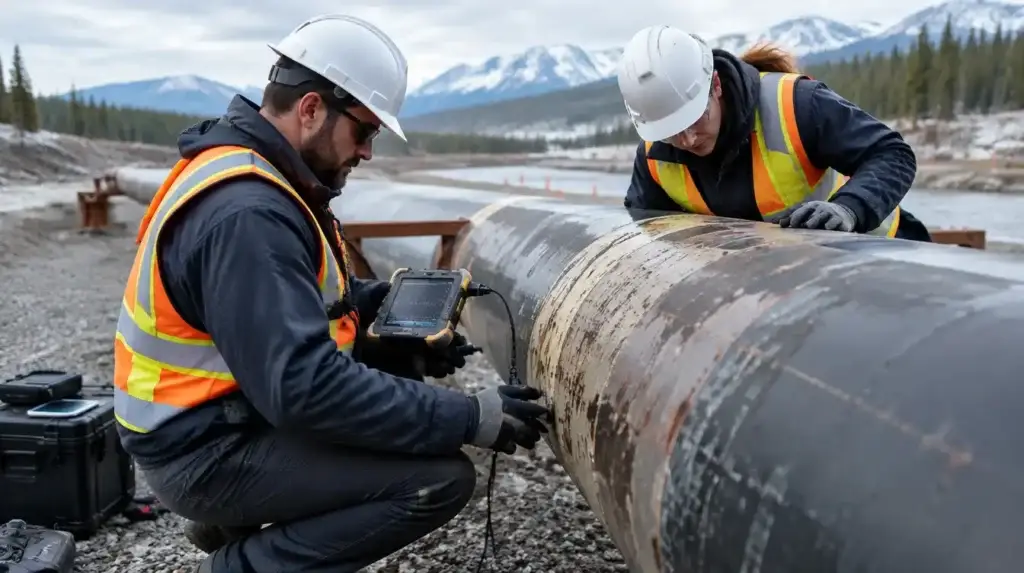
Using fit-for-purpose inspection and engineering analysis to understand deterioration, reduce uncertainty, and plan the right intervention. A pipeline may continue operating while corrosion, cracking, deformation, leakage, or other deterioration develops out of sight. Conversely, an older pipeline may remain suitable for service despite reaching its nominal design life. Pipeline condition assessment helps owners move beyond […]
Pipeline Geotechnical Engineering: Key Considerations for Alberta Terrain
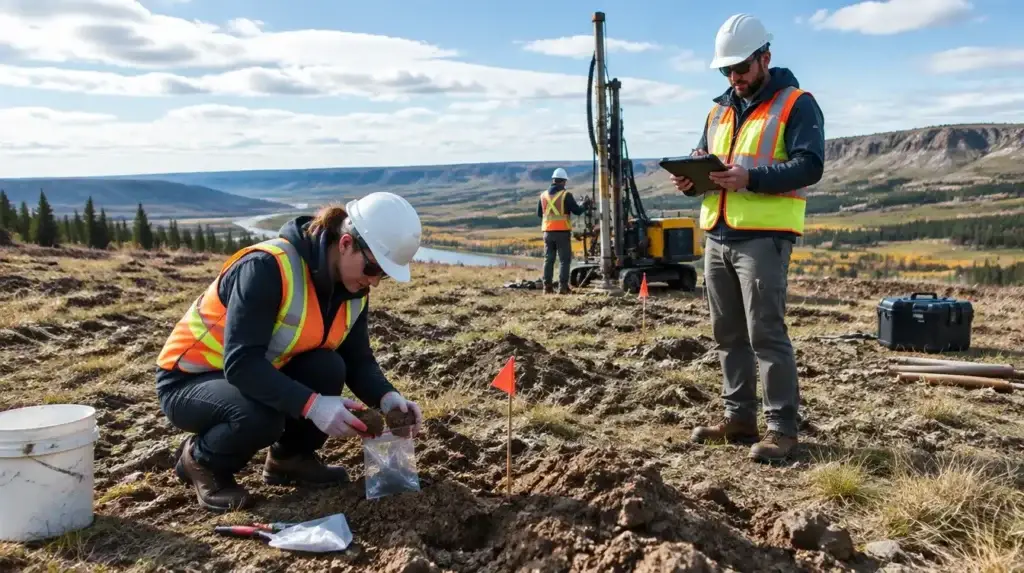
Managing soil, groundwater, slope, frost, erosion, and ground-movement risks across Alberta pipeline projects. Pipeline geotechnical engineering in Alberta must account for terrain that can change significantly over a single route. Prairie deposits, river valleys, muskeg, steep slopes, glacial sediments, bedrock, and northern permafrost can each create different design and construction challenges. Because pipelines are continuous […]