Choosing an engineering consultant with the technical, regulatory, and project-delivery capabilities required for safe and reliable pipeline infrastructure.
Pipeline projects in Alberta operate within a demanding technical and regulatory environment. Design decisions must account for safety, operating conditions, environmental constraints, constructability, integrity, and long-term performance.
When evaluating oil and gas pipeline consulting in Edmonton, owners should look beyond location and hourly rates. The right firm should understand the complete pipeline lifecycle and provide practical support from early planning through construction and operation.
Alberta Regulatory Knowledge
A pipeline consultant working in Edmonton should understand the framework applicable to Alberta projects.
Depending on the pipeline, requirements may include Alberta’s Pipeline Act and Pipeline Rules, Alberta Energy Regulator directives, CSA Z662, environmental approvals, and land or right-of-way requirements.
The consultant should identify the applicable requirements early, incorporate them into the design basis, and track technical and regulatory commitments throughout the project.
Professional Authorization and Quality
Companies practising engineering in Alberta must meet applicable APEGA requirements. Owners should verify that the consulting firm and the professionals responsible for the work are appropriately licensed.
The firm should also have documented processes for technical checking, professional authentication, design change control, document management, and assigning qualified personnel.
Quality management should be visible in the work. Engineering recommendations, calculations, drawings, and changes should be traceable and appropriately reviewed.
Relevant Pipeline Experience
Owners should look for experience that matches the proposed pipeline’s product, pressure, material, route, and operating environment.
Relevant capabilities may include:
- Feasibility and route evaluation
- Hydraulic, pressure, stress, and material design
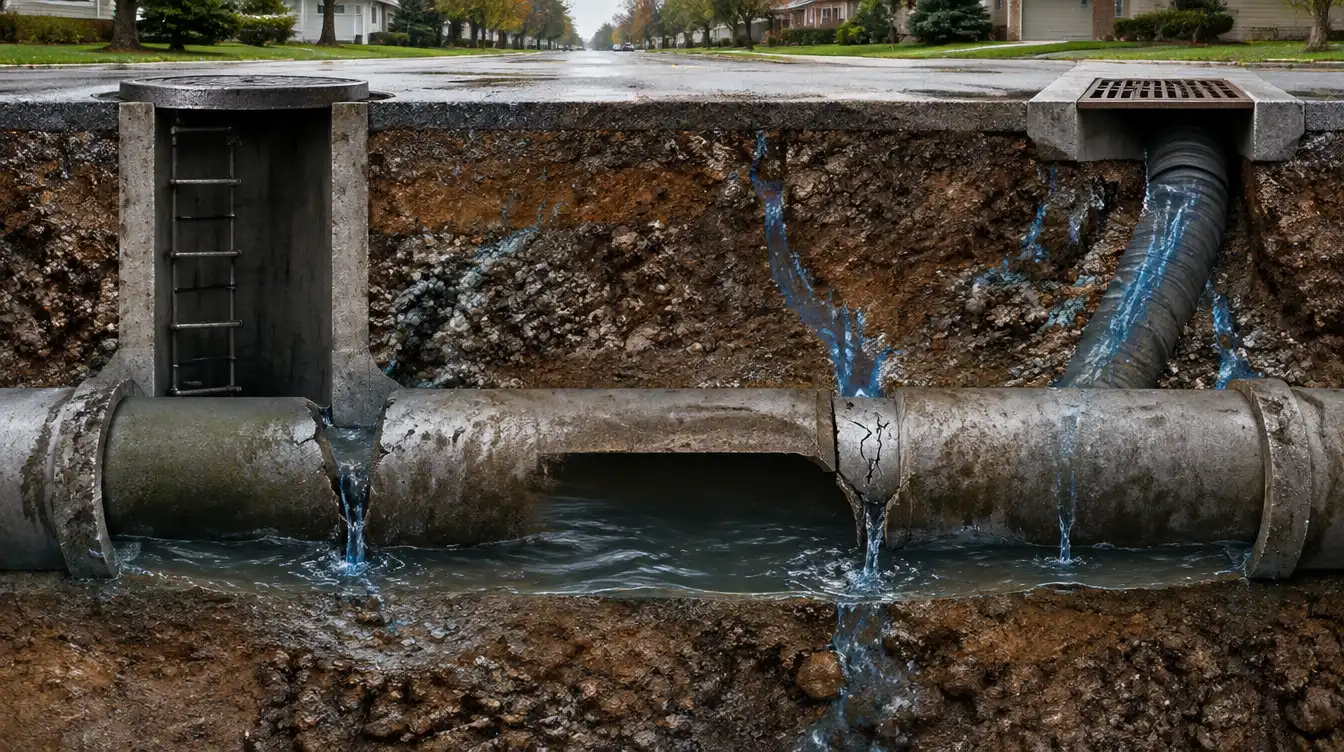
- Corrosion protection and integrity planning
- Road, railway, and watercourse crossings
- Horizontal directional drilling and other trenchless methods
- Existing pipeline modifications and tie-ins
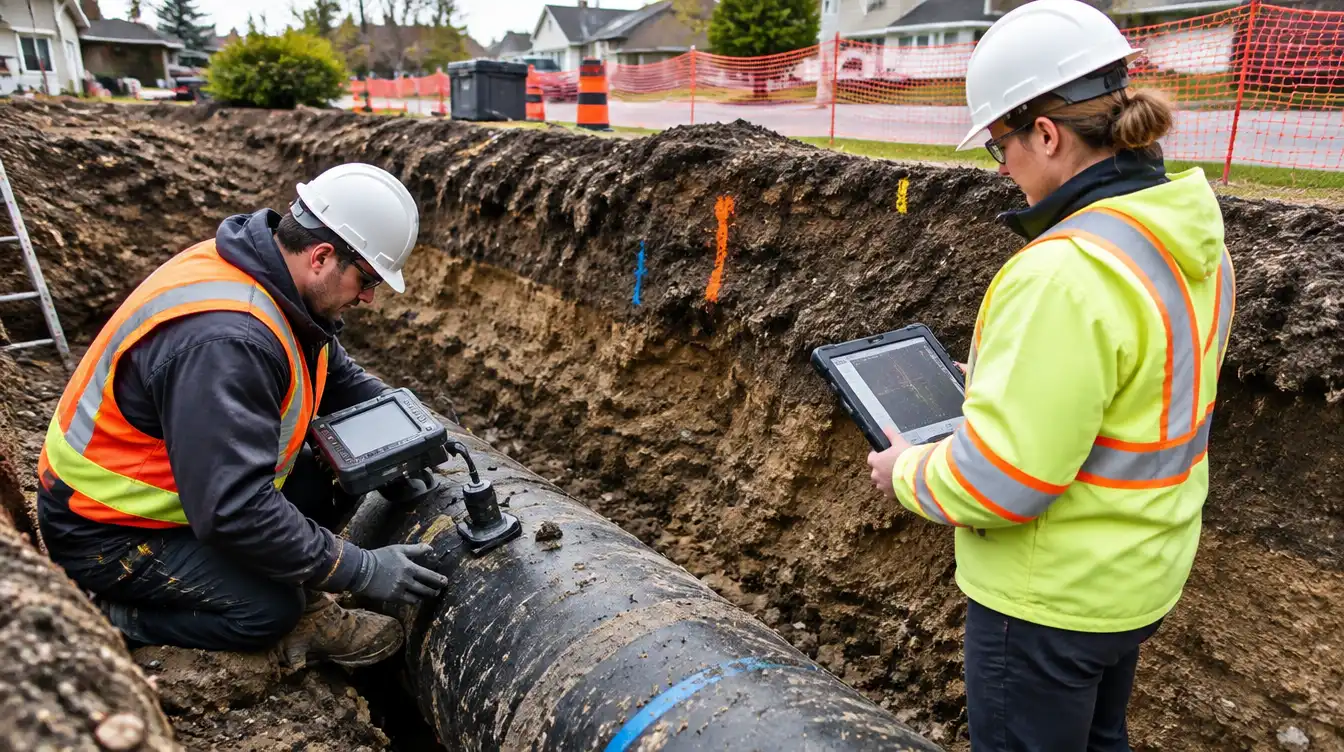
- Construction, testing, and commissioning support
A long project list is less important than demonstrated experience solving comparable technical and delivery challenges.
Construction and Lifecycle Understanding
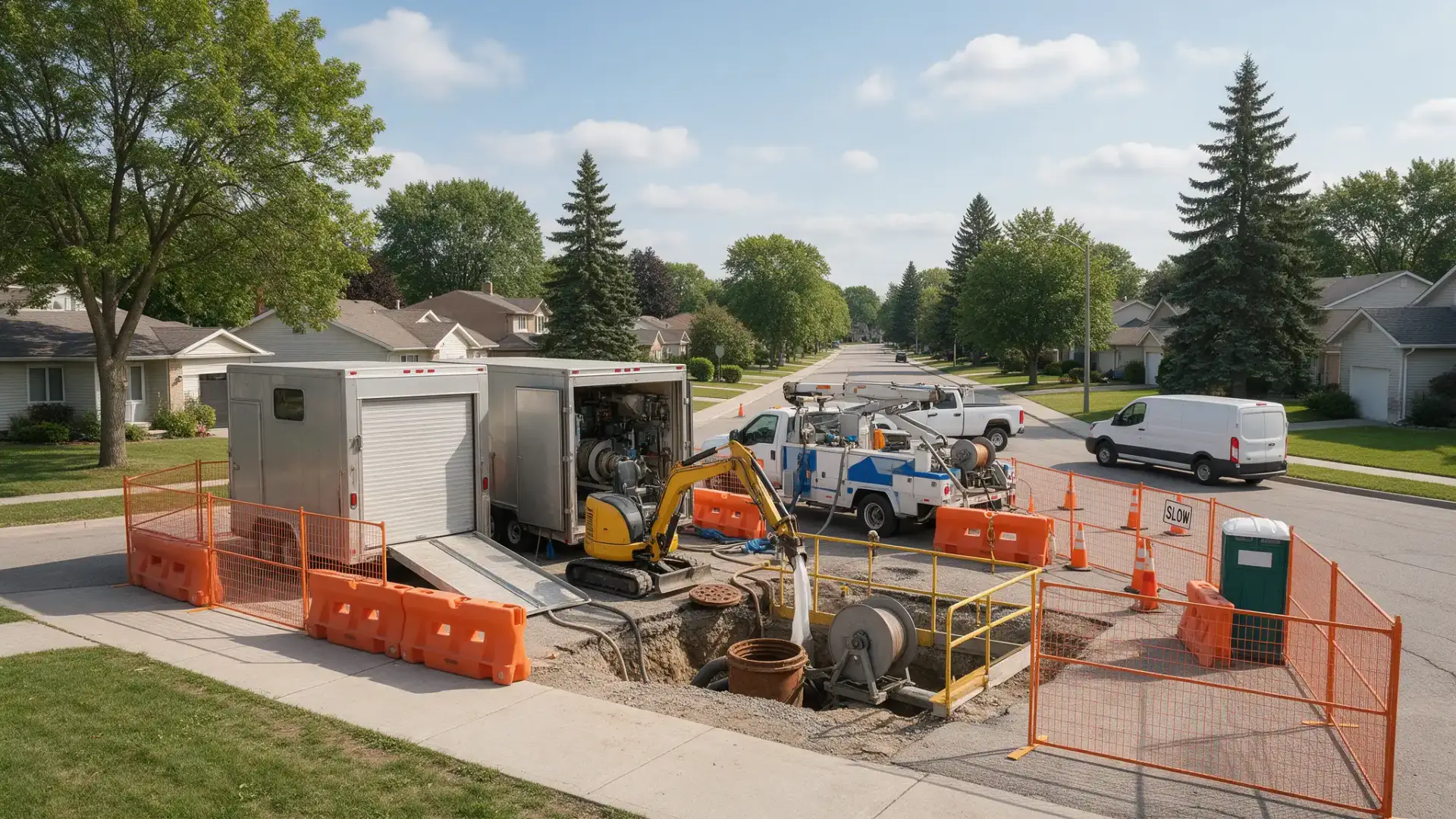
A design may satisfy technical requirements but still be difficult or costly to construct. Strong consultants consider access, sequencing, temporary works, shutdowns, environmental restrictions, contractor capabilities, and future maintenance during design.
They should also understand how design decisions affect inspection, corrosion control, operating flexibility, repair options, and eventual deactivation or abandonment.
Keeping the design team involved during construction helps ensure that substitutions and field changes remain consistent with the design intent.
Multidisciplinary Coordination
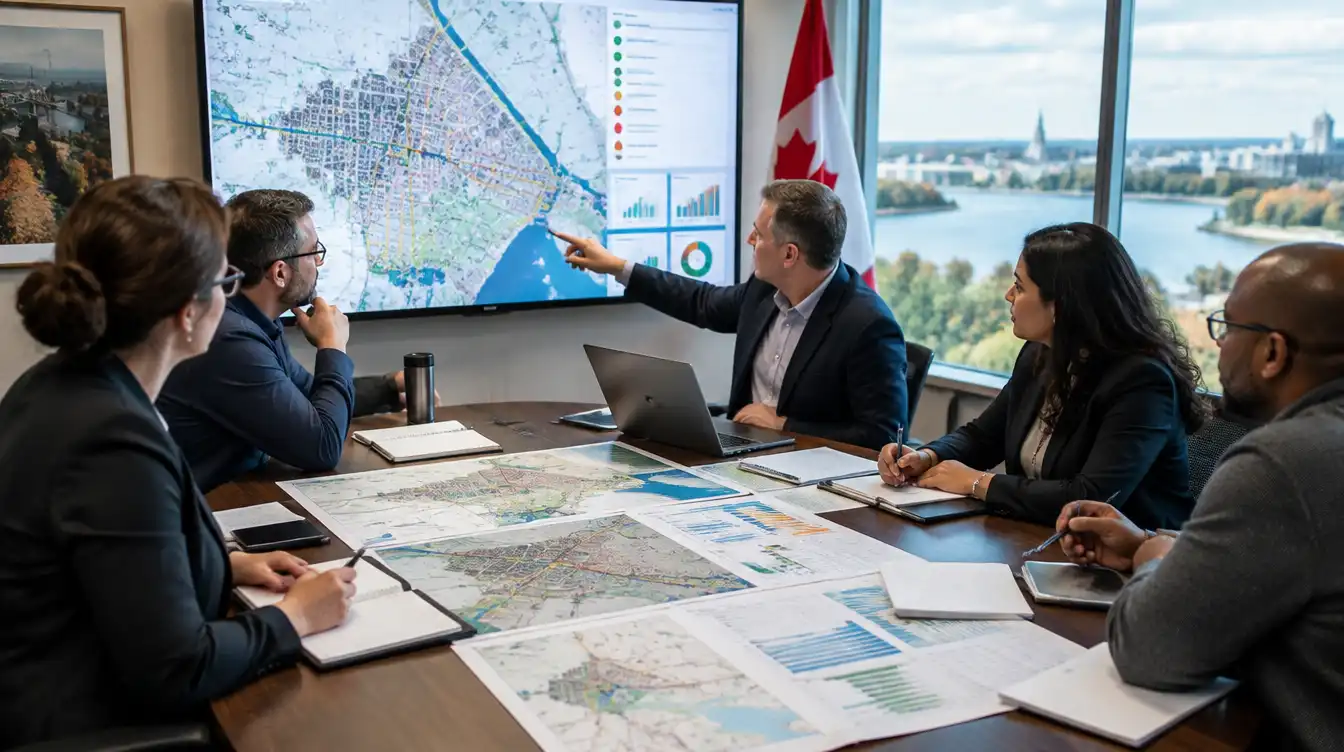
Pipeline projects often require civil, mechanical, geotechnical, environmental, electrical, surveying, land, and regulatory input.
The consulting firm does not need every specialty in-house, but it should be able to assemble and coordinate the right team. Responsibilities, interfaces, and communication pathways should be clear from the beginning.
Questions to Ask
Before selecting a firm, owners should ask:
- Who will lead and authenticate the engineering work?
- What comparable projects has the proposed team completed?
- Which codes, standards, and approvals apply?
- How will quality control and technical review be managed?
- Can the firm support construction and commissioning?
- How will changes and technical decisions be documented?
The answers should be specific to the project rather than general marketing statements.
Oil and Gas Pipeline Consulting in Edmonton
At Avodahtec, we provide pipeline design, engineering, construction support, and lifecycle-management services from Edmonton.
Our capabilities include feasibility and options analysis, pipeline design, technical analysis, trenchless crossing design, inspection and integrity planning, procurement support, construction engineering, commissioning support, and lifecycle planning.
We also coordinate environmental, geotechnical, surveying, and other specialist services as required to provide an integrated project team.
Conclusion
Selecting an oil and gas pipeline consulting firm in Edmonton requires more than finding a local engineering provider.
Owners should look for regulatory knowledge, professional authorization, relevant technical experience, strong quality processes, construction understanding, and lifecycle-focused decision-making. The right consultant should help manage risk, evaluate alternatives, and deliver infrastructure that is ready for safe and reliable operation.