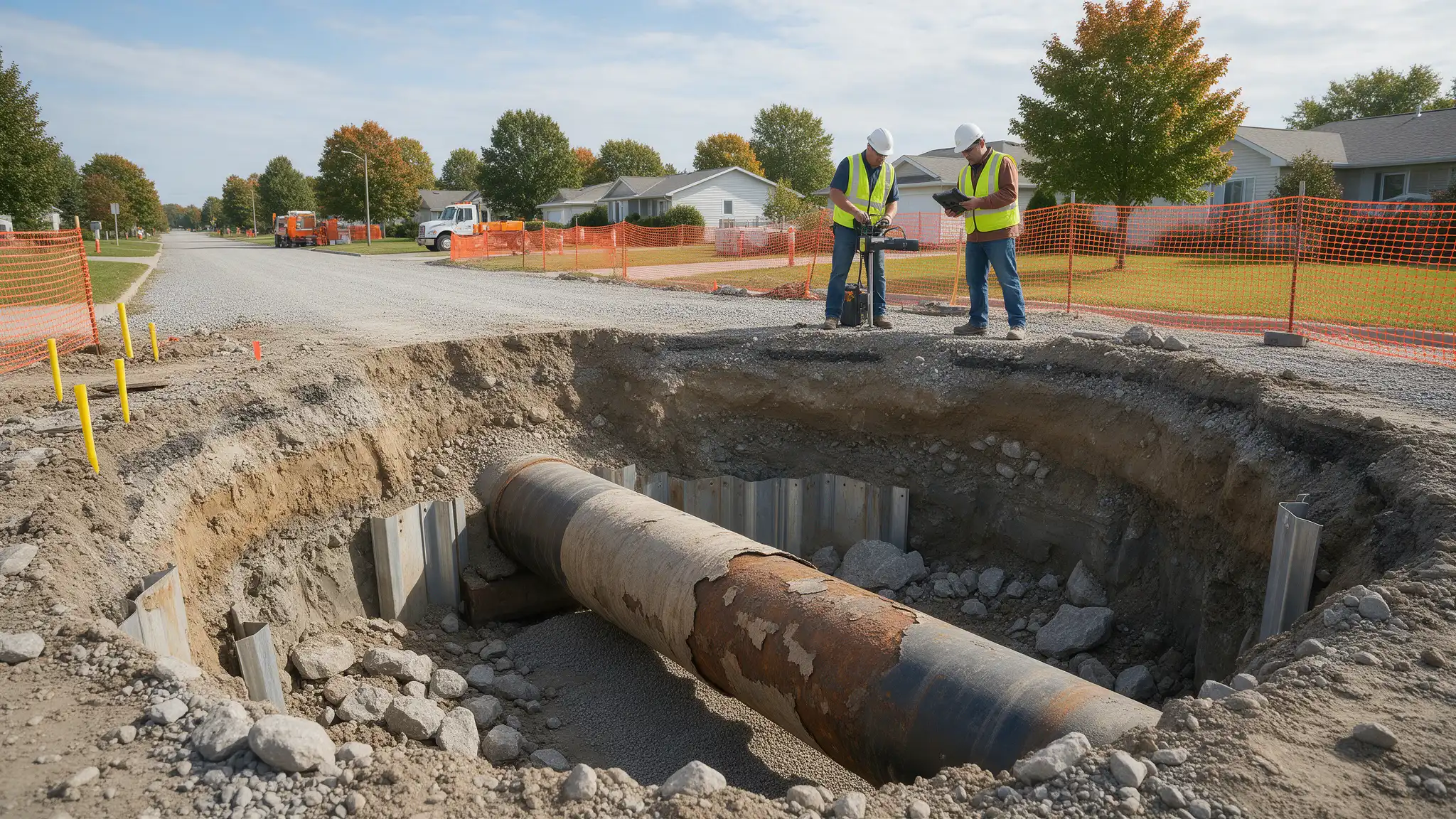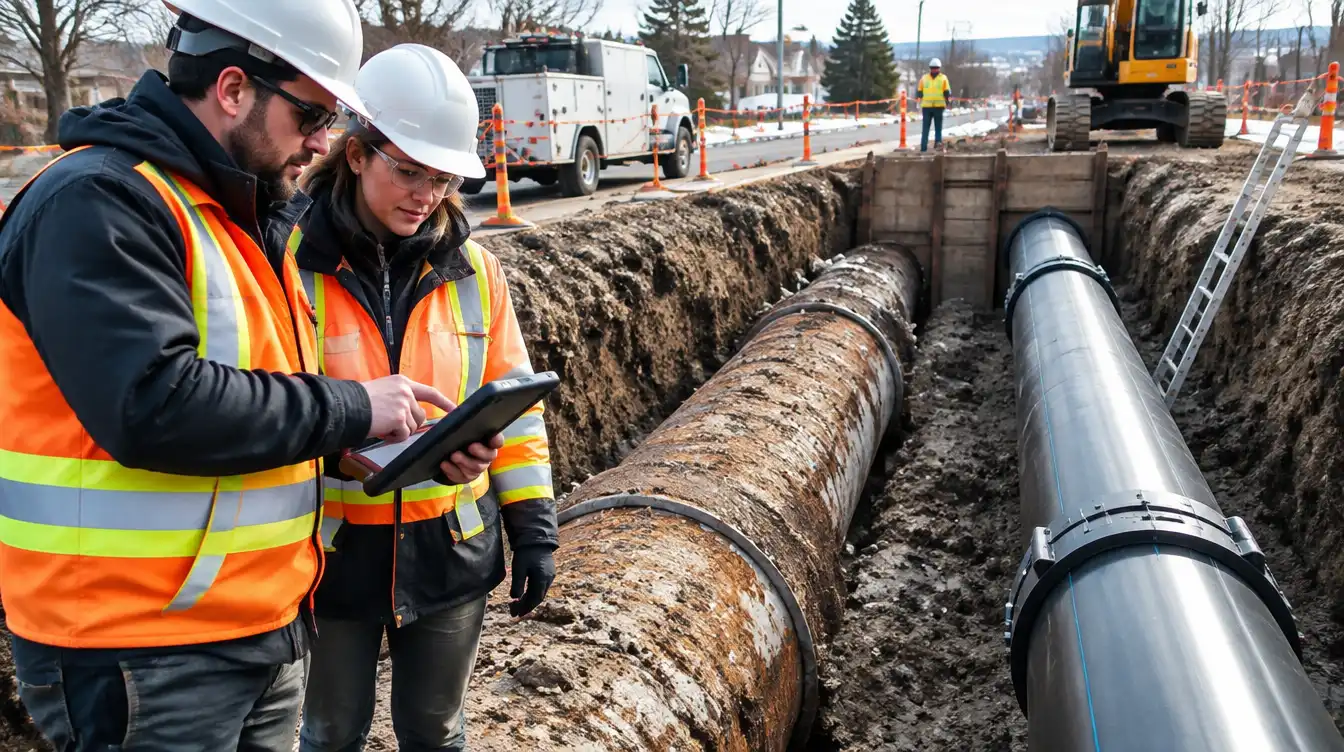
Using fit-for-purpose inspection and engineering analysis to understand deterioration, reduce uncertainty, and plan the right intervention.
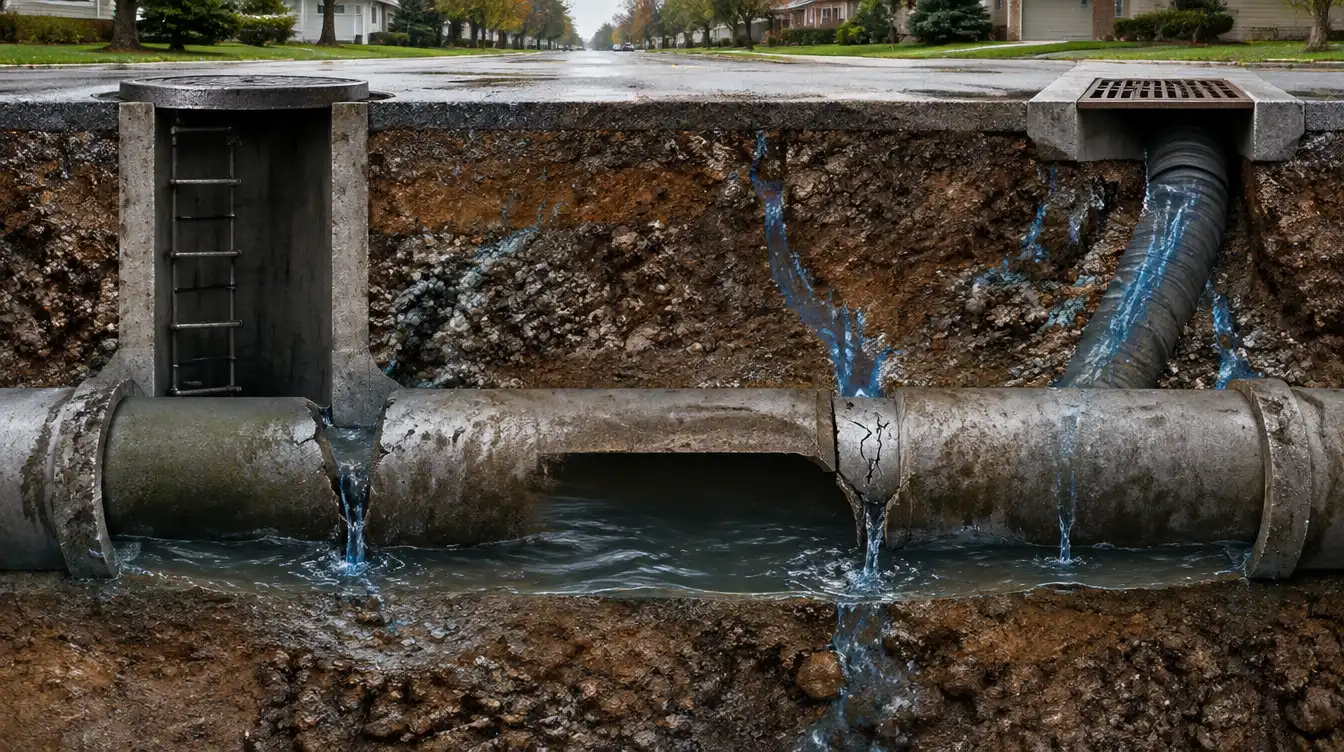
A pipeline may continue operating while corrosion, cracking, deformation, leakage, or other deterioration develops out of sight. Conversely, an older pipeline may remain suitable for service despite reaching its nominal design life.
Pipeline condition assessment helps owners move beyond assumptions based on age or failure history. It provides evidence about how an asset is performing, what could cause it to fail, and what action is justified.
What Is a Pipeline Condition Assessment?
A pipeline condition assessment is a structured process for collecting and evaluating information about the physical and functional state of a pipeline.
It may combine records review, operating data, inspection, testing, material information, and engineering analysis. The scope depends on the pipeline material, diameter, pressure, service, accessibility, expected deterioration mechanism, and consequence of failure.
The objective is not simply to find defects. It is to answer a decision question, such as whether the pipeline can remain in service, where further investigation is needed, or whether repair, rehabilitation, or replacement should occur.
Useful assessments often start before fieldwork. Drawings, specifications, as-built records, age, material, pressure history, maintenance logs, failures, soil conditions, repairs, water quality, and previous inspection data can reveal likely threats and important gaps.
This review helps the team avoid selecting a technology before defining the problem. It also identifies locations where direct evidence will provide the greatest value.
Age remains a relevant screening factor, but it should not be treated as a condition rating by itself.
Select Methods That Match the Pipeline
No single inspection technology can assess every pipeline material or failure mode. Depending on the system, methods may include:
- Visual or CCTV inspection
- Leak detection and acoustic monitoring
- Pressure and transient monitoring
- In-line inspection or free-swimming tools
- External corrosion and cathodic protection surveys
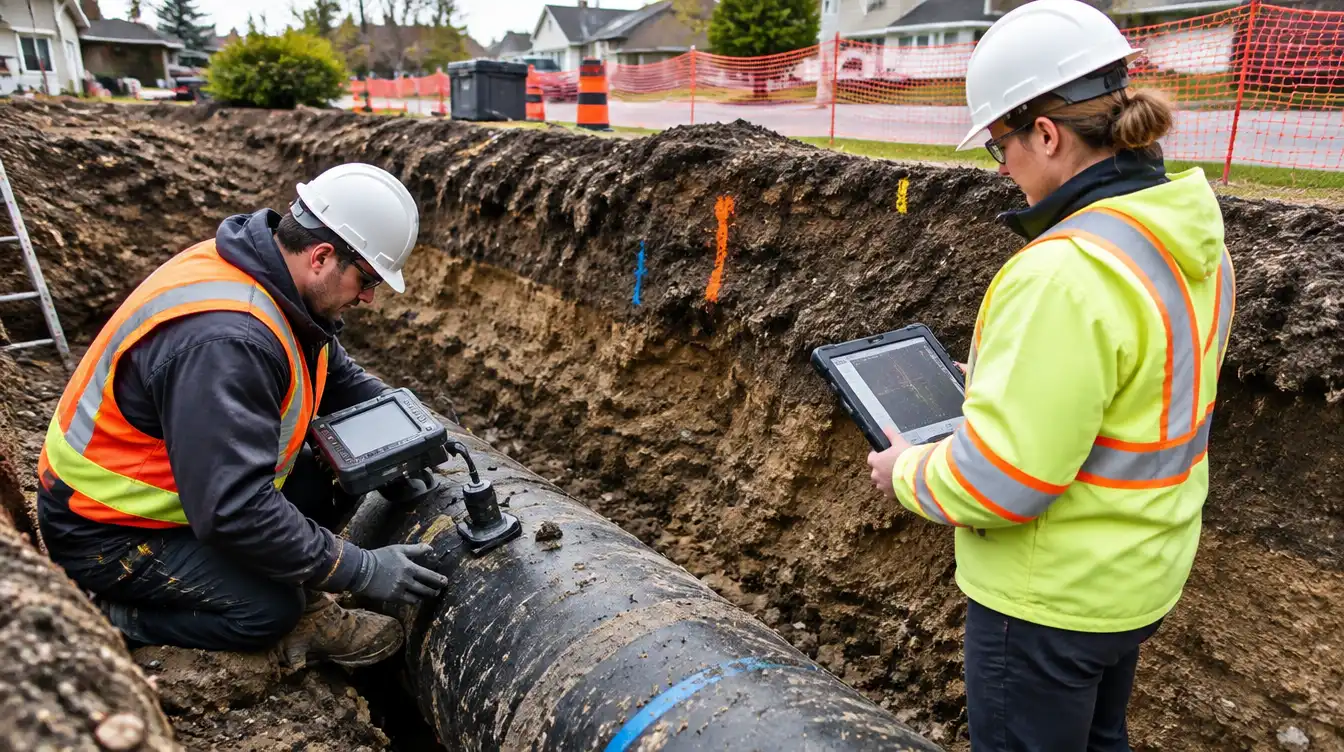
- Non-destructive testing at exposed locations
- Material sampling and investigative excavations
Gravity sewers, metallic pressure mains, concrete pipelines, thermoplastic systems, and oil and gas pipelines require different approaches. Access, operating status, cleaning needs, flow interruption, and tool detection limits also affect feasibility.
Technology selection should therefore follow the decision objective—not drive it.
A practical example is Avodahtec’s City of Whitehorse Forcemain Corrosion Assessment and Cathodic Protection Design, where condition assessment and corrosion-protection considerations informed the engineering approach.
Use a Tiered Assessment
A tiered approach helps owners manage cost and uncertainty. The first stage may screen an entire network using records, failures, criticality, and readily available data. The next stage can apply targeted non-invasive surveys or inspections to higher-priority assets. Detailed testing or excavation is then reserved for locations where direct confirmation is necessary.
This process prevents high-cost inspection from being applied uniformly and helps ensure that each stage informs the next decision.
Translate Findings Into Engineering Decisions
Inspection results require interpretation. A reported anomaly does not automatically mean immediate failure, and a clean inspection does not eliminate threats that the selected method could not detect.
Engineering review should consider defect type, size, location, growth potential, operating loads, material behaviour, uncertainty, and consequence of failure. The output may include continued operation, monitoring, repair, rehabilitation, pressure adjustment, additional assessment, or replacement.
For critical assets, acceptance criteria and escalation thresholds should be established before inspection so that results can be acted on promptly.
Why Condition Assessment Matters
Condition assessment allows owners to direct limited funding toward the assets that need it most. It can reduce emergency failures, prevent premature replacement, identify viable rehabilitation windows, and support defensible capital planning.
It also improves asset knowledge. Inspection and repair findings should be captured in the owner’s records so that future risk models and renewal decisions become more reliable.
An Integrated Approach
At Avodahtec, we help pipeline owners define assessment objectives, identify credible threats, evaluate inspection technologies, interpret results, and connect findings with risk and renewal planning.
Conclusion
A pipeline condition assessment is more than an inspection. It is a decision-focused process that combines the right evidence with engineering analysis.
When the method matches the material, failure mechanism, and required decision, condition assessment helps owners manage uncertainty, intervene at the right time, and achieve better long-term value from pipeline infrastructure.