Groundwater and stormwater entering a sanitary sewer can increase pumping and treatment demands and use up capacity needed for wastewater. That is inflow and infiltration, or I&I. During heavy rain, excess flow can contribute to sewer backups and overflows. The financial impact depends on how much water enters, when it enters, and the utility’s operating costs and capacity constraints. This guide explains what I&I is, where it comes from, how it is found, and how a municipality can prioritize effective solutions.
What inflow and infiltration means
Inflow and infiltration are two ways that water not intended for the sanitary system gets into a sanitary sewer.
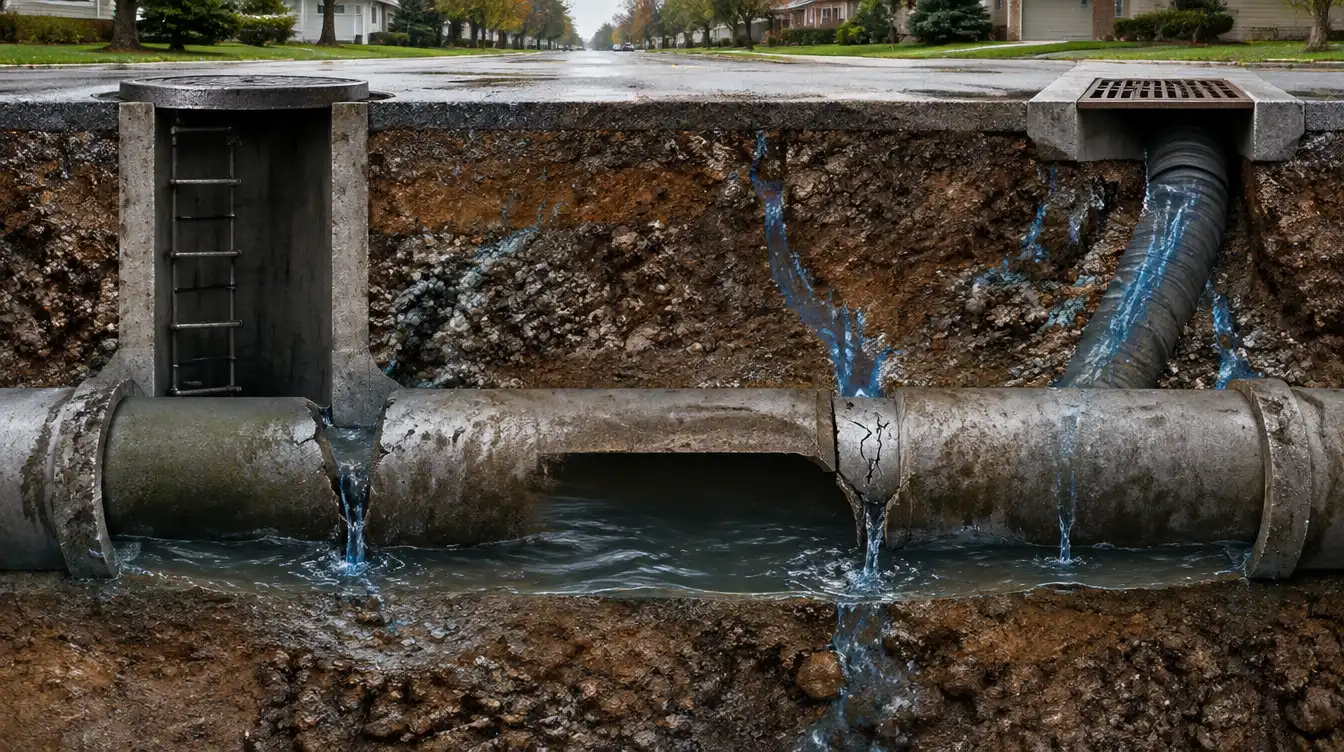
Inflow is water that enters through a direct pathway, often during rain, through connections or openings such as connected roof drains, sump-pump discharges, storm drains, and openings in manhole covers. Whether a connection is permitted depends on the local system and applicable requirements.
Infiltration is groundwater that enters through defects in pipes, joints, manholes, and service laterals, especially where the water table is high or soils become saturated after rain.
Direct inflow often produces a rapid response to rainfall. Groundwater infiltration can contribute to dry-weather flow and may also increase during or after rain. The timing of a flow increase helps guide investigation, but it does not identify the entry point on its own.
Where I&I comes from
The sources are spread across the whole collection system, public and private. On the public side, aging mains may develop cracks and joint failures, and manholes can admit water through covers, frames, walls, joints, and pipe connections. On the private side, service laterals may leak, while connected drains and sump pumps can send substantial flows into the sanitary system during wet weather.
Public and private sources need to be investigated together. Repairing a main will not eliminate water entering through nearby laterals or direct connections. The contribution of any particular source should be measured or estimated before claiming a flow reduction from its repair.
Why I&I is so expensive
The cost of I&I shows up in several places at once. Additional flow can increase variable pumping and treatment costs. It also occupies capacity in pipes, pumping stations, and treatment facilities, potentially contributing to overloads or bringing forward an upgrade. During heavy rain, excess flow can exceed available capacity and contribute to sanitary sewer overflows or backups, with potential property, public health, environmental, and regulatory consequences.
A litre of I&I removed does not necessarily produce a proportional reduction in the utility’s total treatment bill, because many operating costs are fixed. The financial benefit depends on variable operating costs, avoided overflow risk, and whether recovered capacity defers a planned expansion.
An I&I study helps quantify these effects and identify practical opportunities for reduction. The size of the problem and the achievable savings must be established for the particular system; they should not be assumed in advance.
How I&I is found
Finding I&I takes a combination of methods, because no single one sees everything.
Flow monitoring. Meters record flow at selected locations, and the results are compared with rainfall, dry-weather patterns, and operating records. This helps identify areas with elevated baseline flows or strong wet-weather responses. A rapid response can suggest direct inflow, but rainfall-driven infiltration can also respond quickly; the hydrograph alone does not prove the source.
Smoke testing. Test smoke is introduced into selected sewer reaches to identify openings and potential connections. Smoke appearing at the surface indicates a pathway that should be investigated; it does not by itself establish the volume entering during rain or whether a connection violates local requirements. Property owners and occupants should receive appropriate notice before testing.
Dye testing. Coloured dye can trace a suspected drainage pathway and help confirm whether it connects to the sanitary sewer.
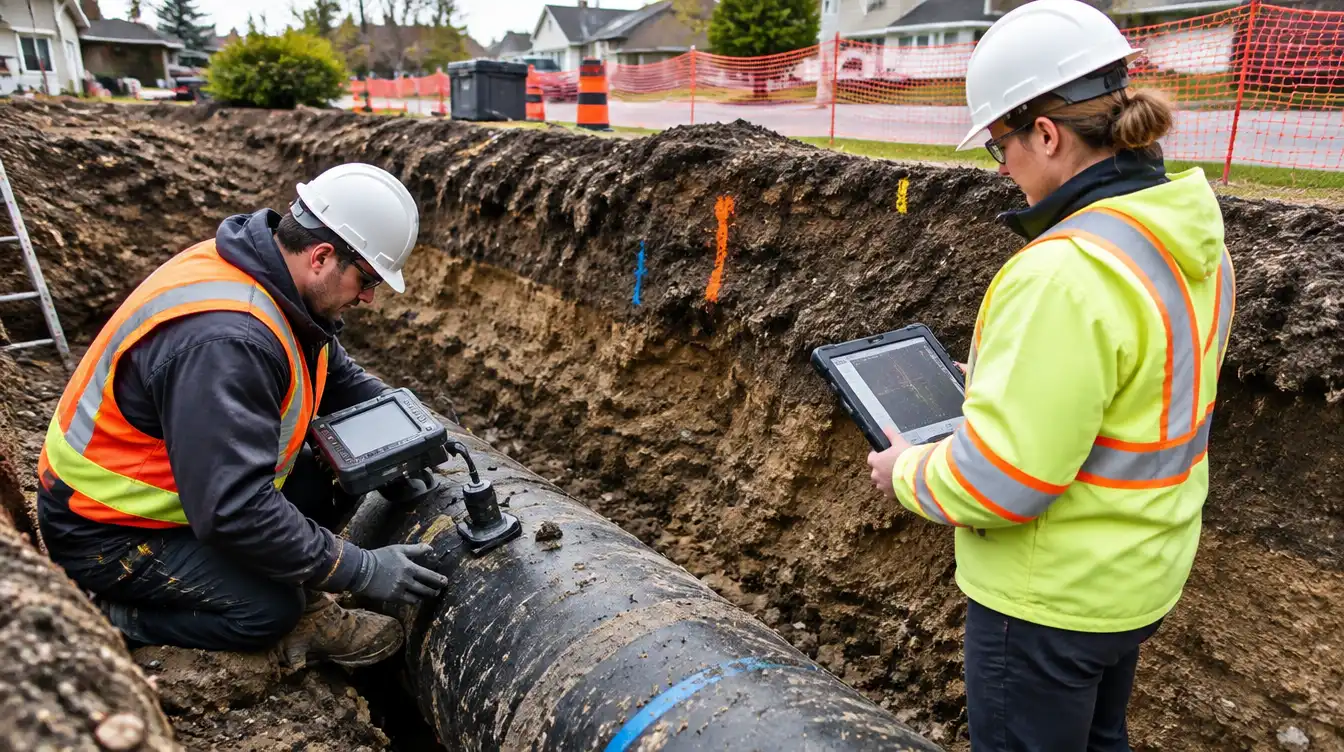
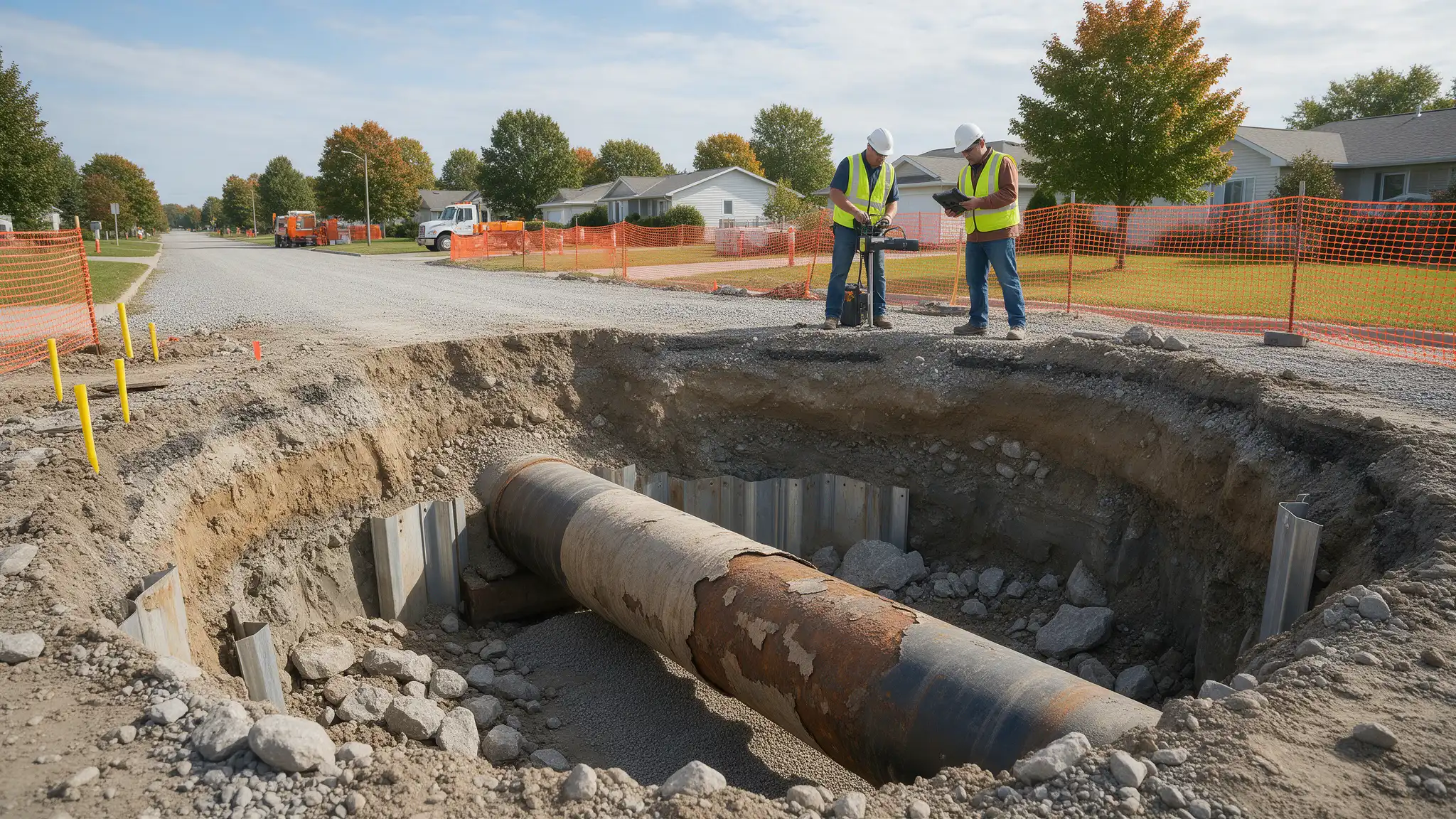
CCTV inspection. A camera records visible pipe defects, connections, and active infiltration where conditions allow. A crack seen on video does not establish how much water enters through it, and infiltration may not be visible when groundwater levels are low.
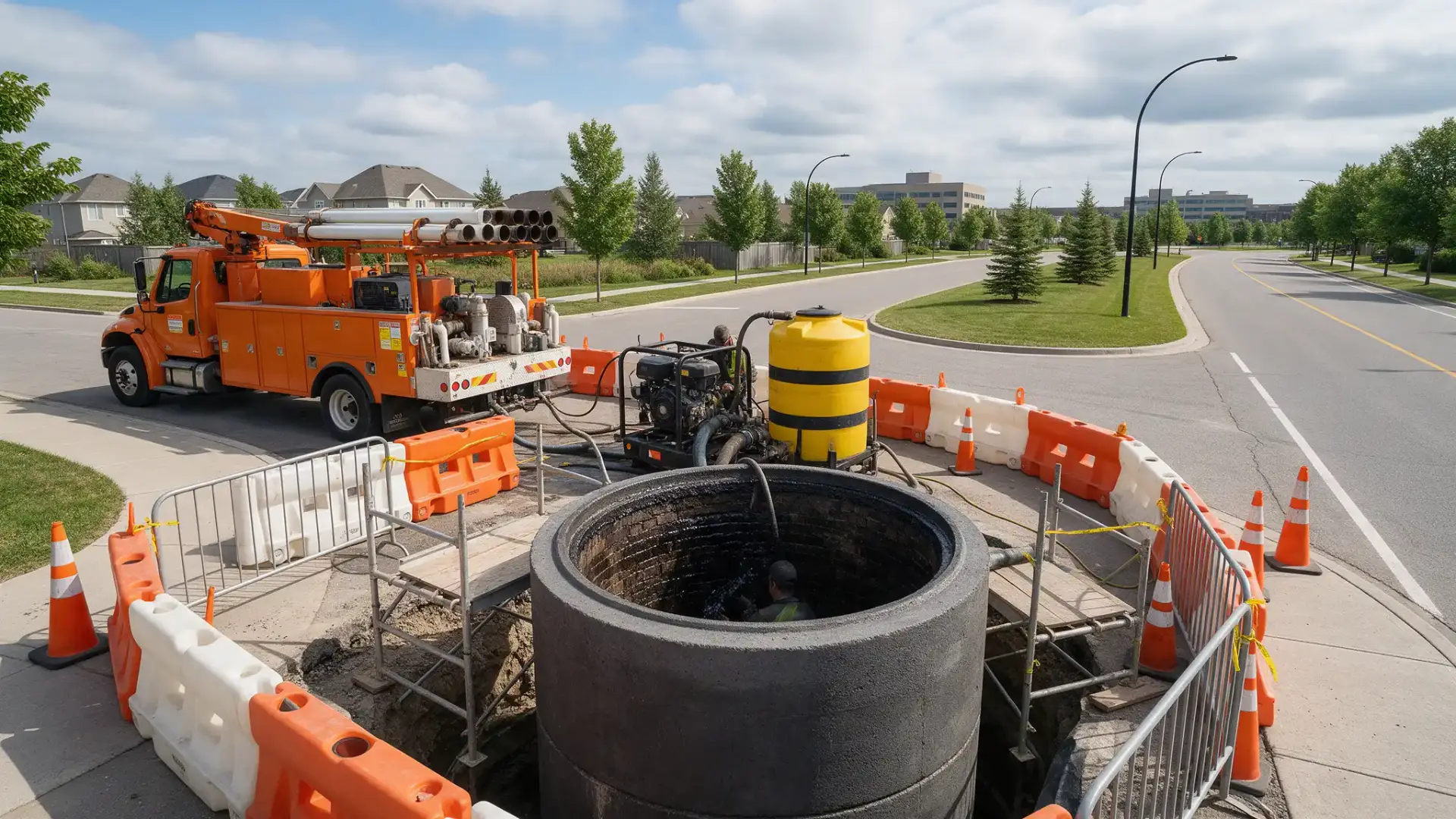
Manhole inspection. Covers, frames, walls, joints, and pipe penetrations can be checked for potential inflow and infiltration pathways. Inspection during wet conditions may provide additional evidence of active entry.
Used together, these methods narrow the search from a measured flow problem to likely entry points. They do not automatically quantify the contribution of every defect. Targeted measurements, isolation testing, or engineering estimates may be needed where the expected benefit will determine a major investment.
From detection to a prioritized solution
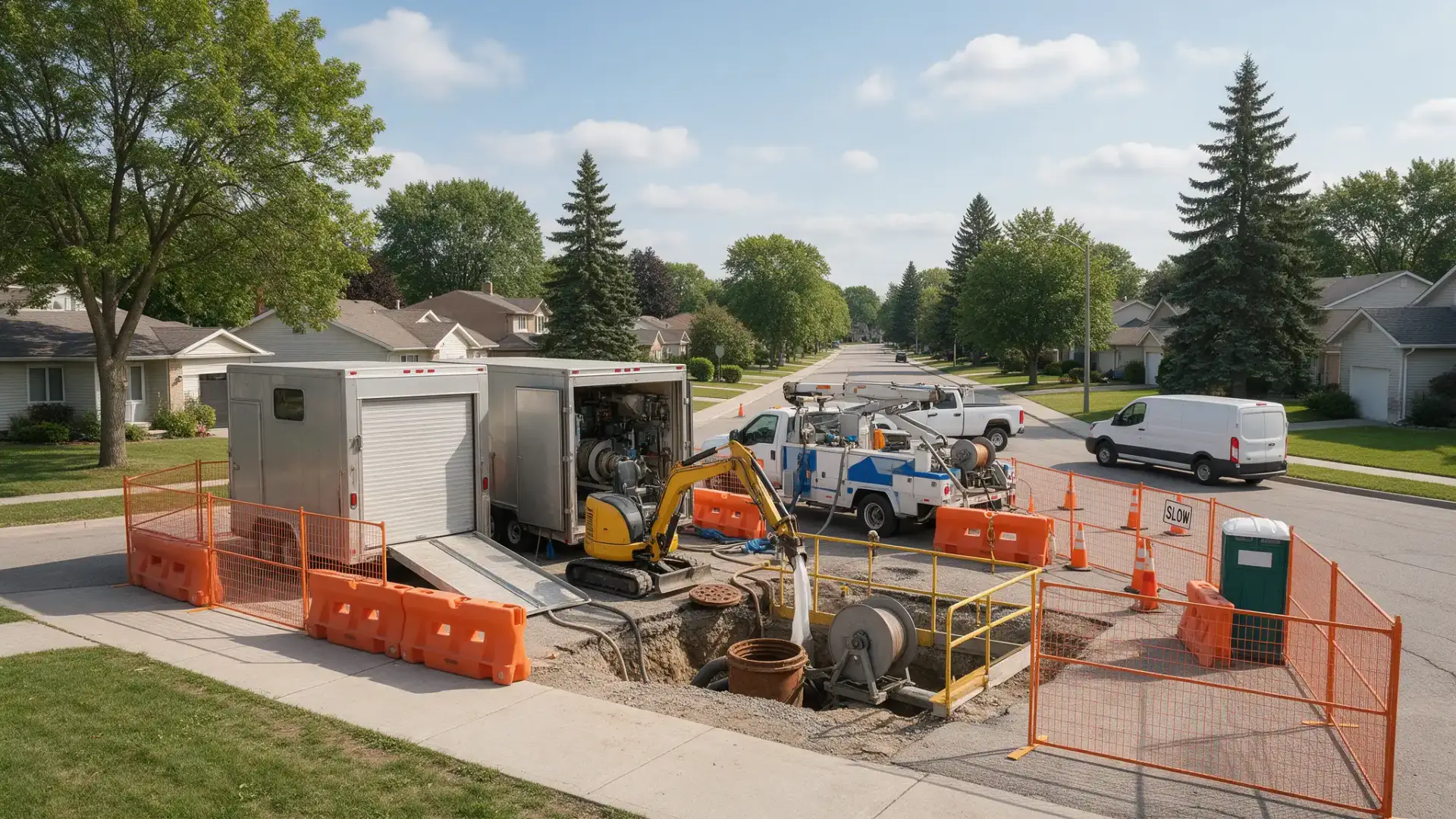
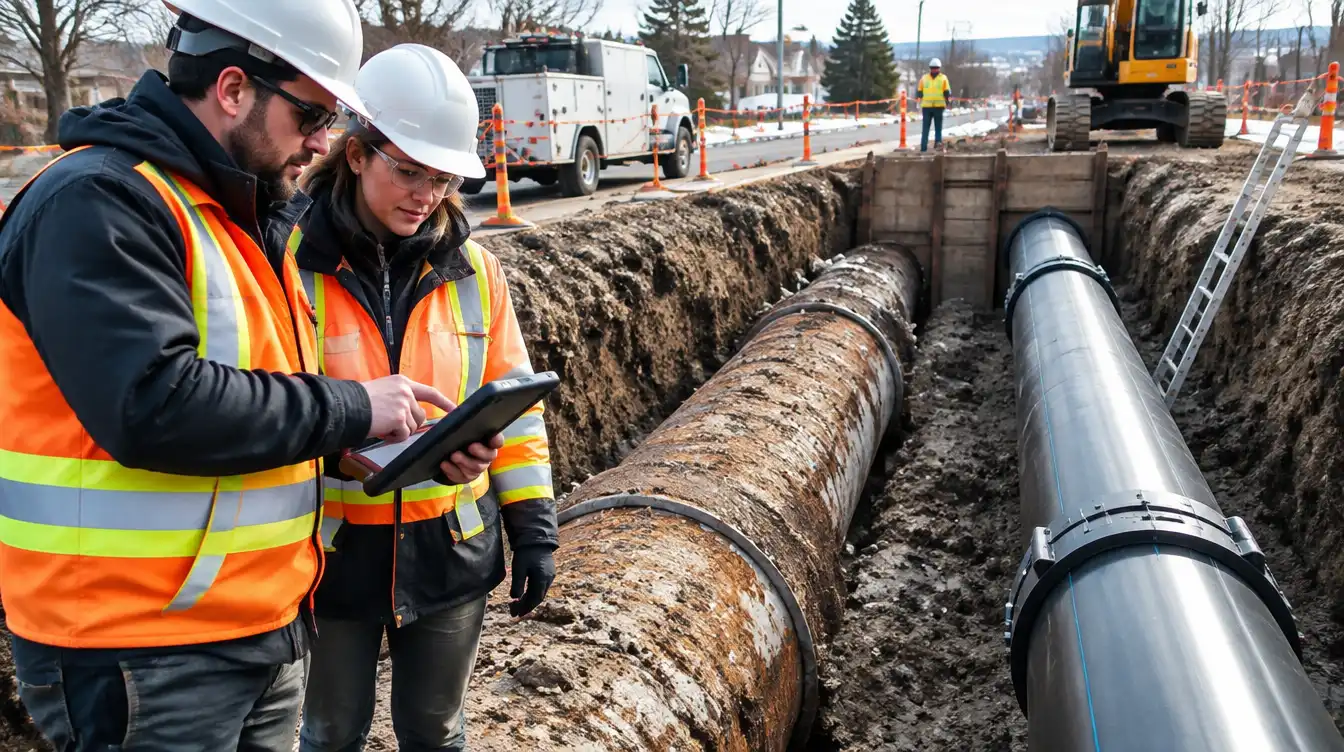
The point of an I&I study is to identify practical measures that reduce unwanted flow and improve system performance. Solutions range from sealing and grouting joints, to lining or replacing defective pipes, to rehabilitating manholes, to correcting direct connections where required and feasible. Private-property work may require owner cooperation, a funding approach, and confirmation of where disconnected drainage will safely go.
Priorities should reflect the estimated flow reduction, the effect on peak flows and capacity, construction cost, service impacts, and confidence in the evidence. A high-flow source is not necessarily the best first project if correction is prohibitively expensive or the water will re-enter nearby. In some cases, several connected defects must be addressed together for a lasting benefit.
After work is complete, flow and rainfall data can be reviewed to assess the outcome. Changes in storm intensity, groundwater conditions, and wastewater demand must be considered when comparing conditions before and after construction. This helps the owner refine the next stage of the program.
Where an independent advisor fits
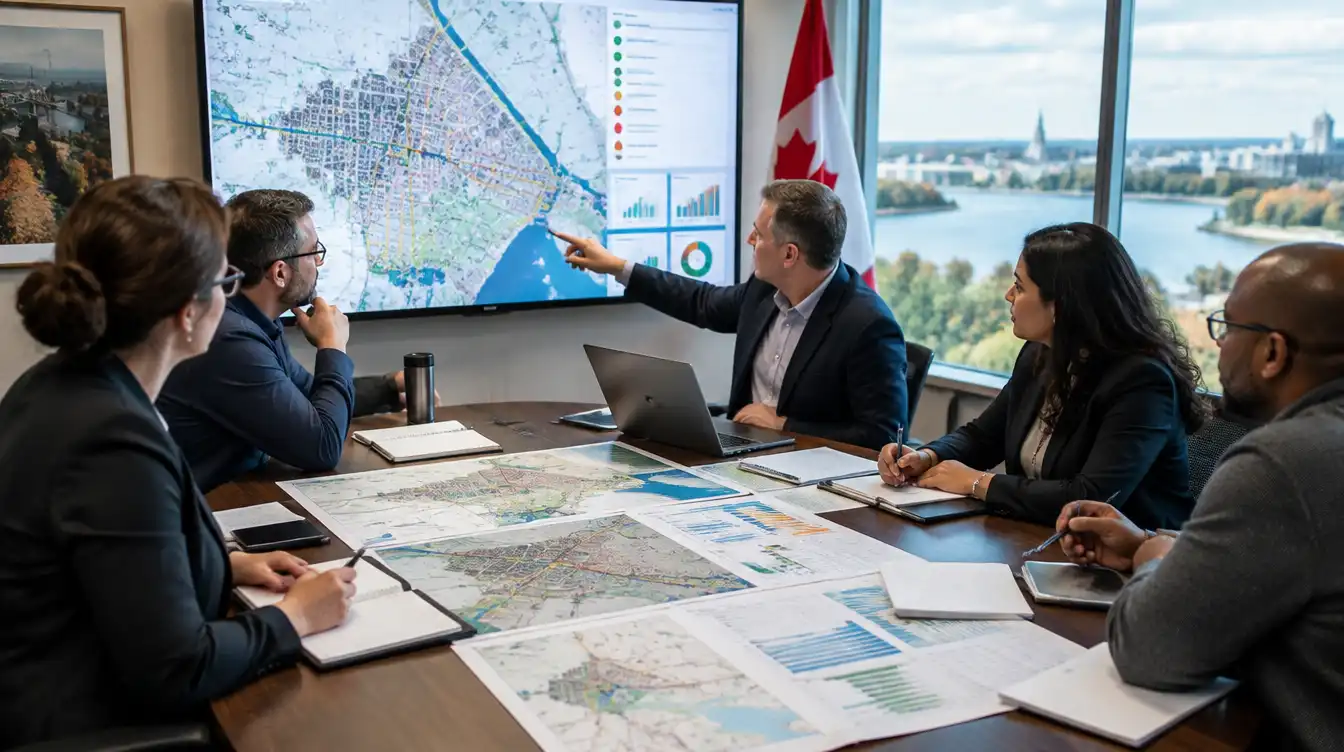
Avodahtec can help municipalities and utilities plan I&I investigations, interpret the results, and develop a prioritized action plan. Because we do not sell inspection equipment, sealing products, or construction, we can evaluate options against the owner’s flow-reduction, service, and budget objectives.
We assess the system, estimate the contributions of identified sources where the evidence allows, rank feasible measures, and can then support design, tender preparation, bid evaluation, contract administration, and construction oversight. As prime consultant, we can coordinate the engineering team in accordance with the owner’s procurement process and our agreed scope.
I&I detection is closely tied to condition assessment and to manhole rehabilitation, since manholes can provide significant entry pathways in some systems. See our guides on pipeline condition assessment and manhole rehabilitation.
Frequently asked questions
What is the difference between inflow and infiltration?
Inflow enters a sanitary sewer through a direct connection or opening, often producing a rapid response to rain. Infiltration enters through defects as groundwater moves through the surrounding soil. Infiltration can occur during dry weather and can increase during or after rain, so flow patterns alone do not always distinguish the two.
Why is inflow and infiltration a problem?
It can increase pumping and treatment demands, use up collection and treatment capacity, and contribute to backups or overflows during wet weather. Its cost depends on the amount and timing of the extra flow and the utility’s operating and capacity constraints.
How do you detect I&I?
Flow and rainfall monitoring identify affected areas and wet-weather responses. Smoke and dye testing, CCTV, manhole inspection, and lateral investigation help trace potential pathways. More targeted work may be needed to estimate how much water enters through a particular source.
How is I&I fixed?
Measures can include sealing joints, lining or replacing defective pipes, rehabilitating manholes, and correcting direct connections. The preferred work depends on the source, expected flow reduction, cost, ownership, and where disconnected water will drain. Results should be checked against post-work flow data where practical.
Book a free consultation
Excess water in sanitary sewers can consume capacity and increase operating costs, especially during wet weather. As an independent advisor with no product to sell, Avodahtec helps municipalities and utilities investigate I&I, assess its effects, and prioritize practical solutions.
Book a free consultation to discuss your system’s flow concerns, available data, and the next steps for an I&I investigation.