Using condition assessment, preventive maintenance, and targeted rehabilitation to improve reliability and defer unnecessary replacement.
Across Canada, infrastructure owners are managing pipeline systems that have been in service for decades. Replacing every aging pipeline is neither practical nor financially sustainable.
In many cases, the better approach is to understand how the pipeline is performing, identify the factors affecting its condition, and implement the right intervention before deterioration reaches an unacceptable level.
Extending pipeline life does not mean keeping an asset in service indefinitely. It means achieving the longest safe and economically justified service life.
Age Does Not Equal Condition
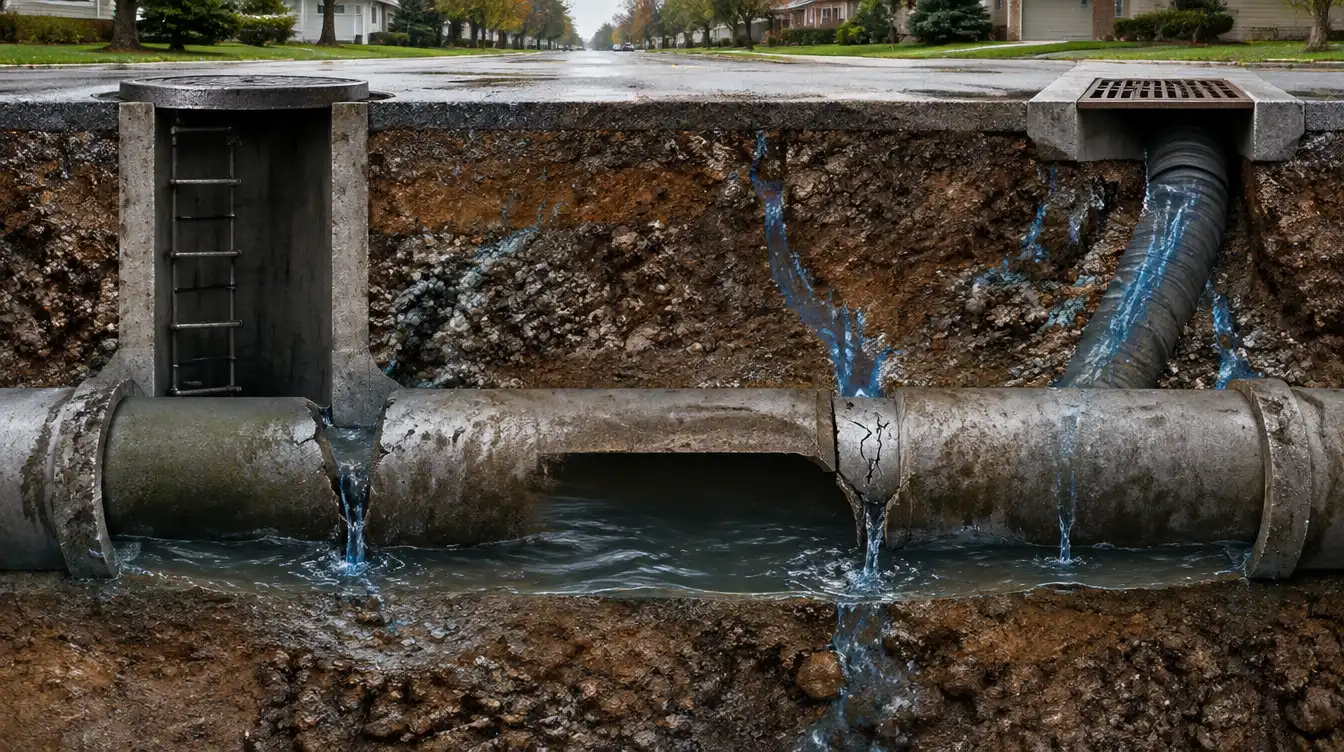
Two pipelines installed in the same year can perform very differently. Pipeline condition may be influenced by material, construction quality, operating pressure, internal and external corrosion, soil and groundwater conditions, hydraulic transients, previous repairs, and external loading.
Age can identify where further review is needed, but replacement decisions should also consider records, operating information, failure history, and condition evidence.
Use Targeted Condition Assessment
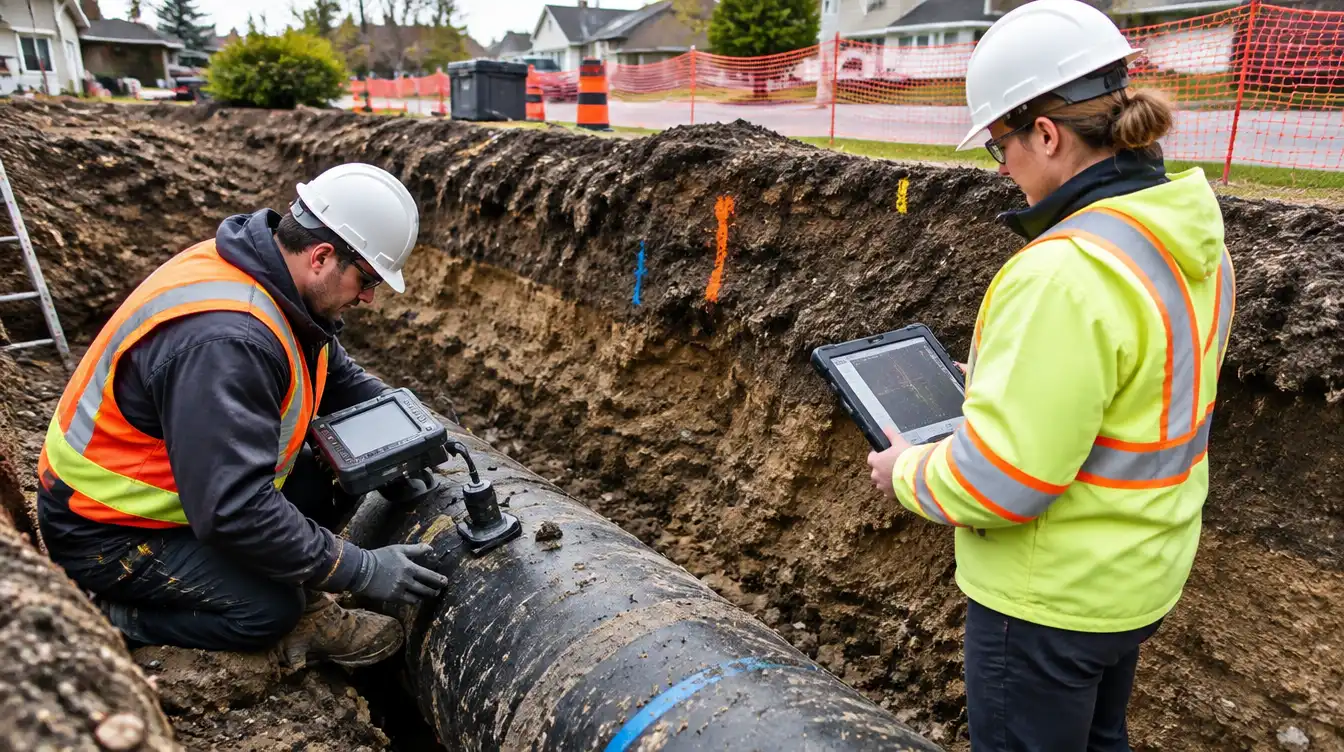
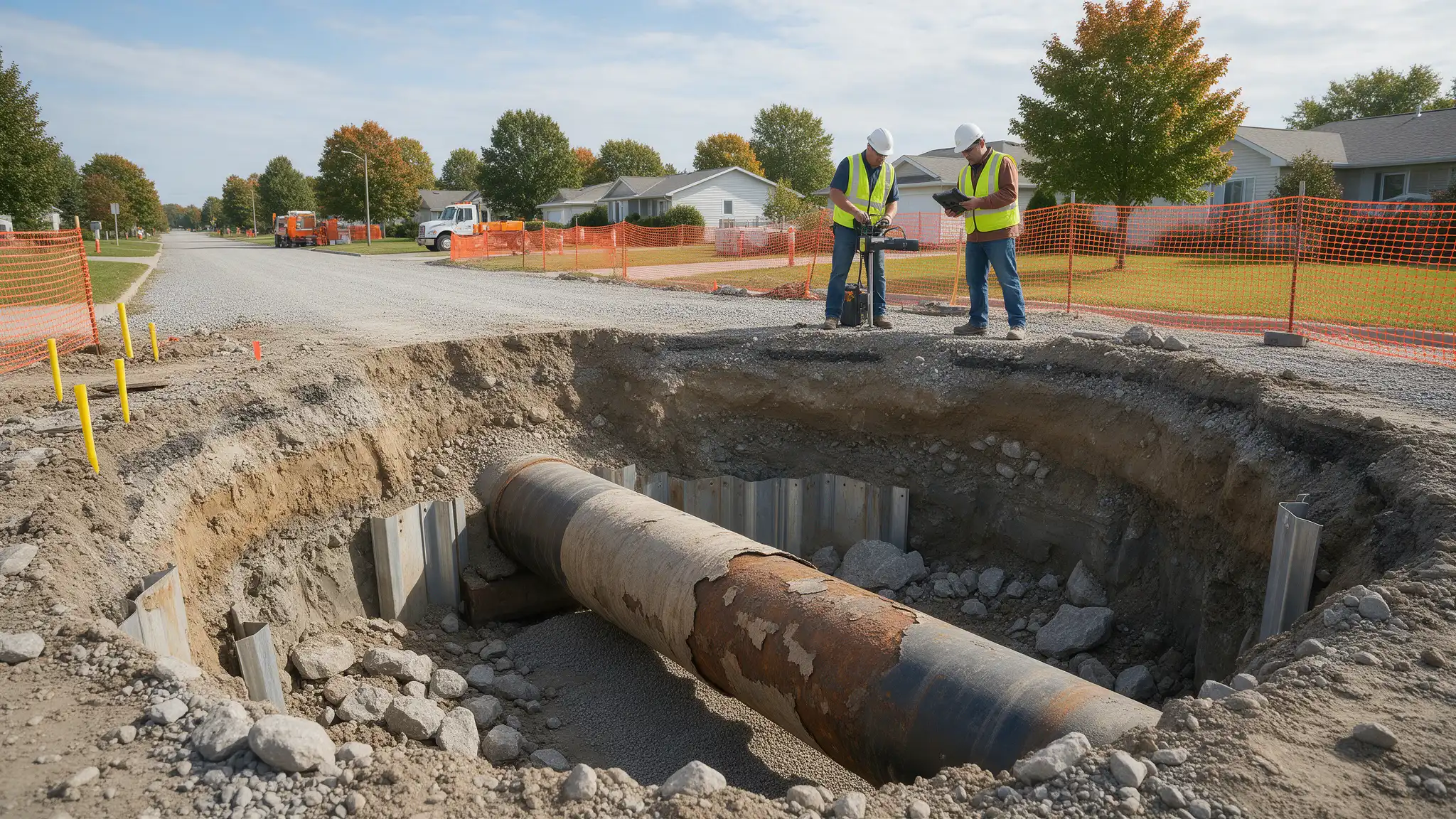
Condition assessment should be designed to answer a specific question: Can the pipeline remain in service? Is deterioration localized? Would rehabilitation provide an acceptable design life? Which segments should be addressed first?
Assessment methods may include:
- Records and failure-history review
- Leak detection and pressure monitoring
- CCTV or internal inspection
- External surveys and non-destructive testing
- Corrosion and cathodic protection assessment
- Material sampling or investigative excavations
The selected technology should match the pipe material, configuration, expected failure mechanism, and required level of certainty. No single inspection method can identify every defect.
Manage Operating and Environmental Stress
Operational changes can sometimes reduce deterioration without immediate replacement. These may include managing pressure and hydraulic transients, maintaining corrosion protection, adjusting pump or valve operation, or improving drainage.
Preventive maintenance is equally important. Leak detection, valve inspection, cathodic protection testing, cleaning, and monitoring of known defects can prevent smaller issues from developing into larger failures.
Repeated repairs in the same area should trigger a broader engineering review. Continuing to repair individual failures without understanding their cause may increase lifecycle cost while allowing wider deterioration to continue.
Rehabilitate Before Replacement Becomes Necessary
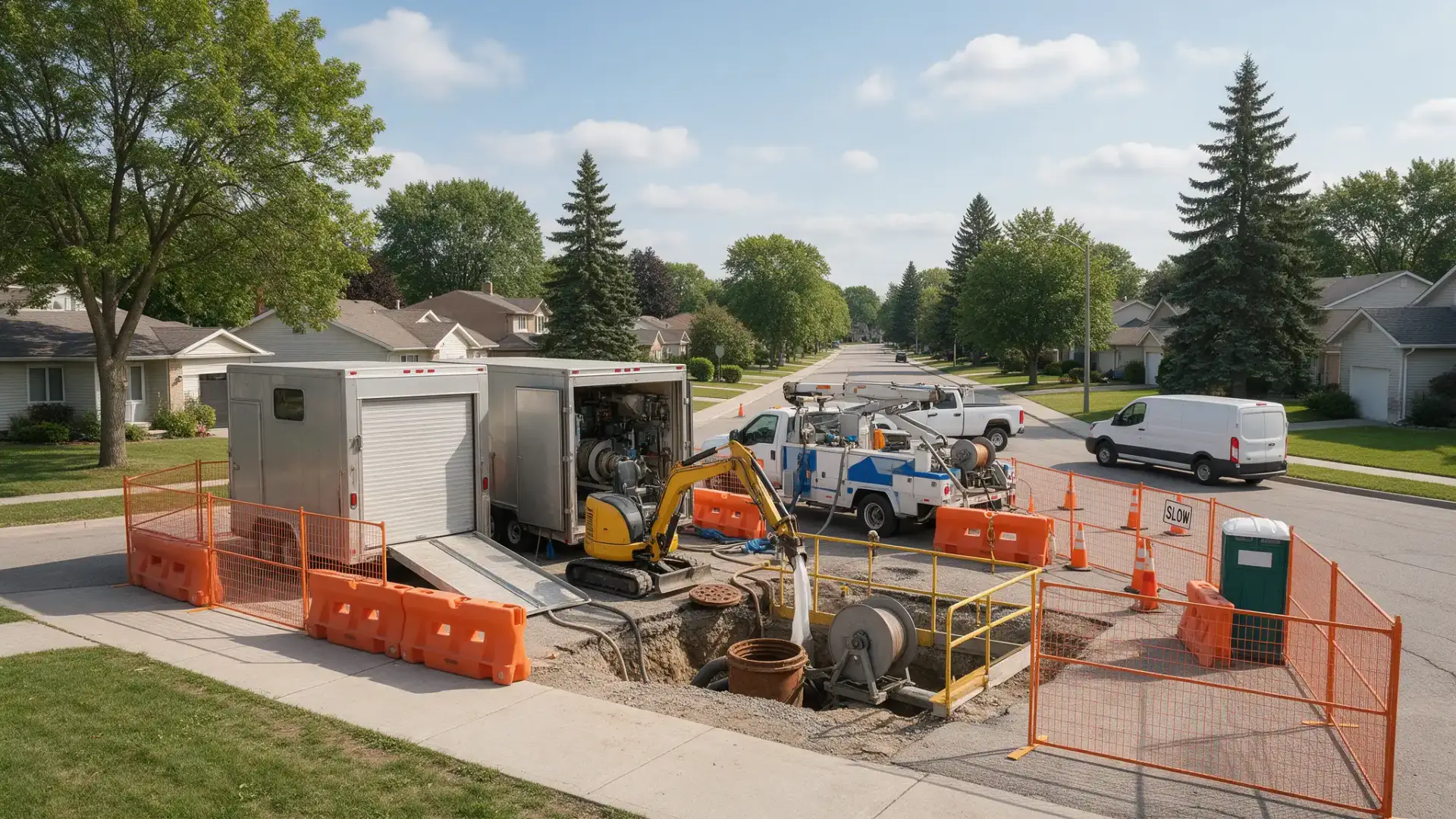
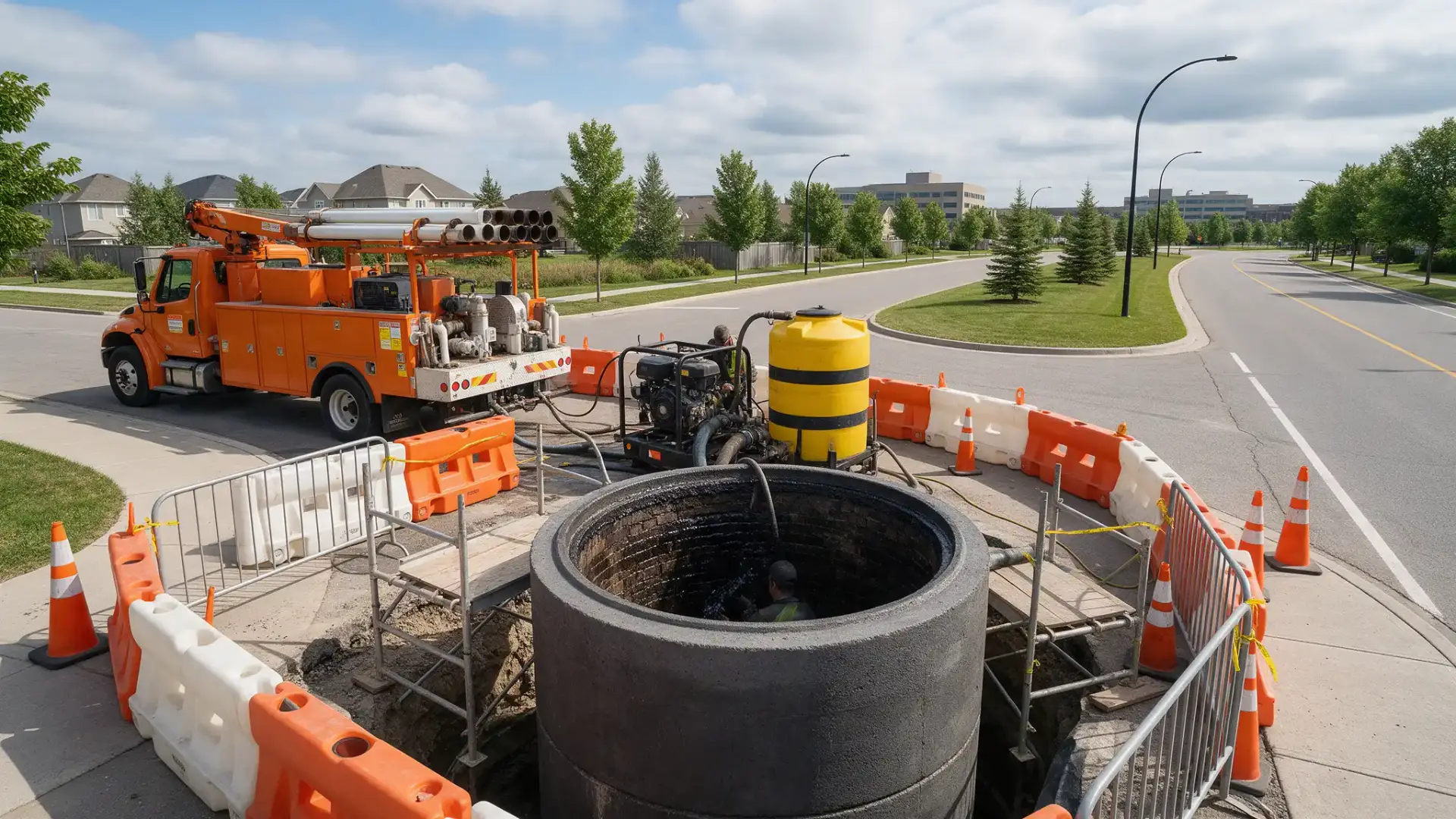
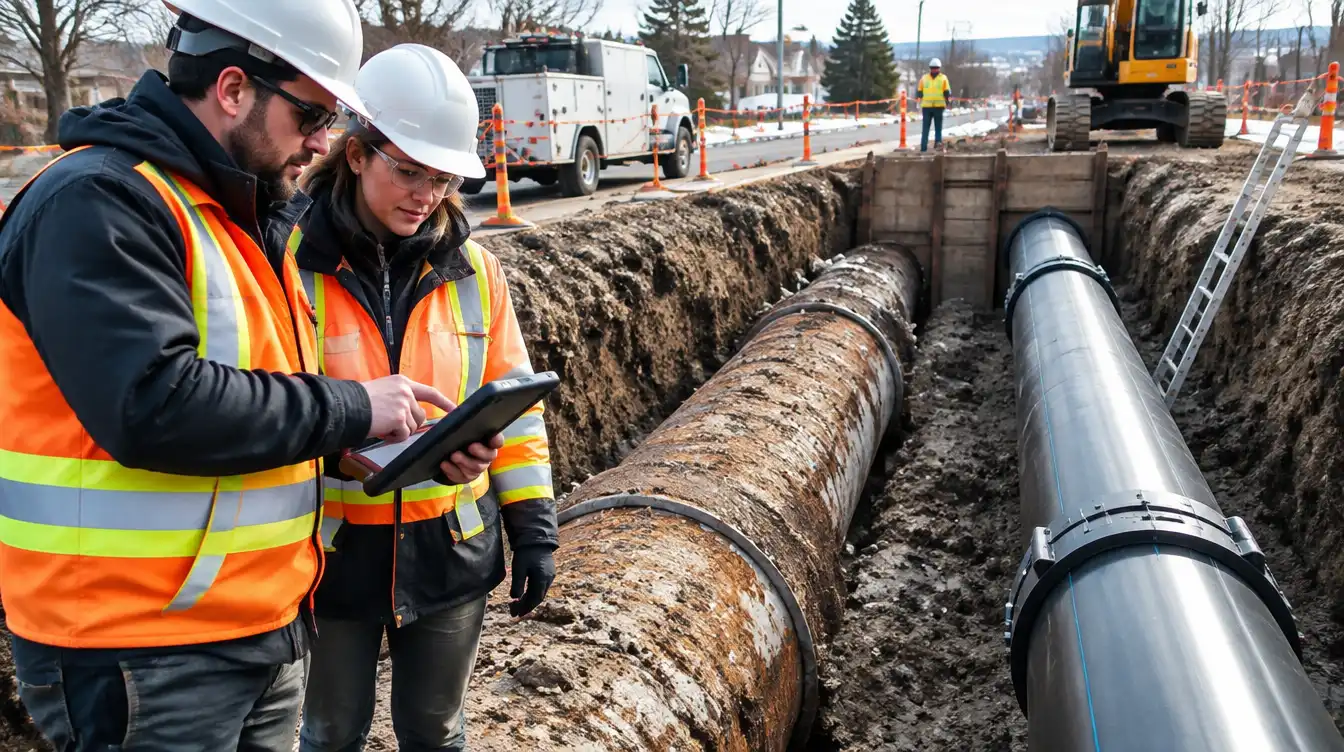
Rehabilitation can extend pipeline life while reducing excavation and community disruption. Options include localized repairs, cured-in-place pipe, sliplining, close-fit lining, coatings, cathodic protection upgrades, and sectional replacement.
The appropriate solution depends on the host pipe’s condition, material, pressure, hydraulic requirements, service connections, geometry, and required design life.
Some systems improve corrosion resistance or hydraulic performance but do not provide independent structural capacity. Rehabilitation should therefore be selected and designed according to the actual failure mechanism and required function.
Timing matters. If intervention is delayed until the host pipeline is severely deteriorated, viable rehabilitation options may become limited and full replacement may be unavoidable.
Consider Canadian Climate Conditions
Canadian pipelines operate across climates and terrain. Freeze-thaw cycles, frost movement, permafrost degradation, flooding, erosion, drought, and changing groundwater may affect pipeline loading and deterioration.
Climate and geotechnical information should be incorporated into risk assessments, inspection planning, and rehabilitation design. Historical performance may not fully represent the conditions a pipeline will experience during its remaining life.
Compare Lifecycle Value
Asset owners should compare continued maintenance, repair, rehabilitation, and replacement using lifecycle cost and risk. The lowest initial cost may not provide the best long-term result if it creates higher operating, inspection, or future renewal costs.
The preferred strategy should provide an acceptable balance of safety, reliability, service, cost, and residual risk.
An Integrated Approach
At Avodahtec, we help Canadian infrastructure owners connect asset information, condition assessment, risk evaluation, rehabilitation planning, and lifecycle costing.
By identifying the actual deterioration mechanism and evaluating the available intervention options, we help owners extend suitable pipeline assets while directing replacement funding toward the pipelines that need it most.
Conclusion
Extending the lifespan of aging pipeline infrastructure requires more than postponing replacement. It requires reliable information, targeted assessment, appropriate operating controls, timely rehabilitation, and continued monitoring.
The goal is not to keep every pipeline in service. It is to make evidence-based decisions that maintain reliable infrastructure and achieve the greatest long-term value from available funding.