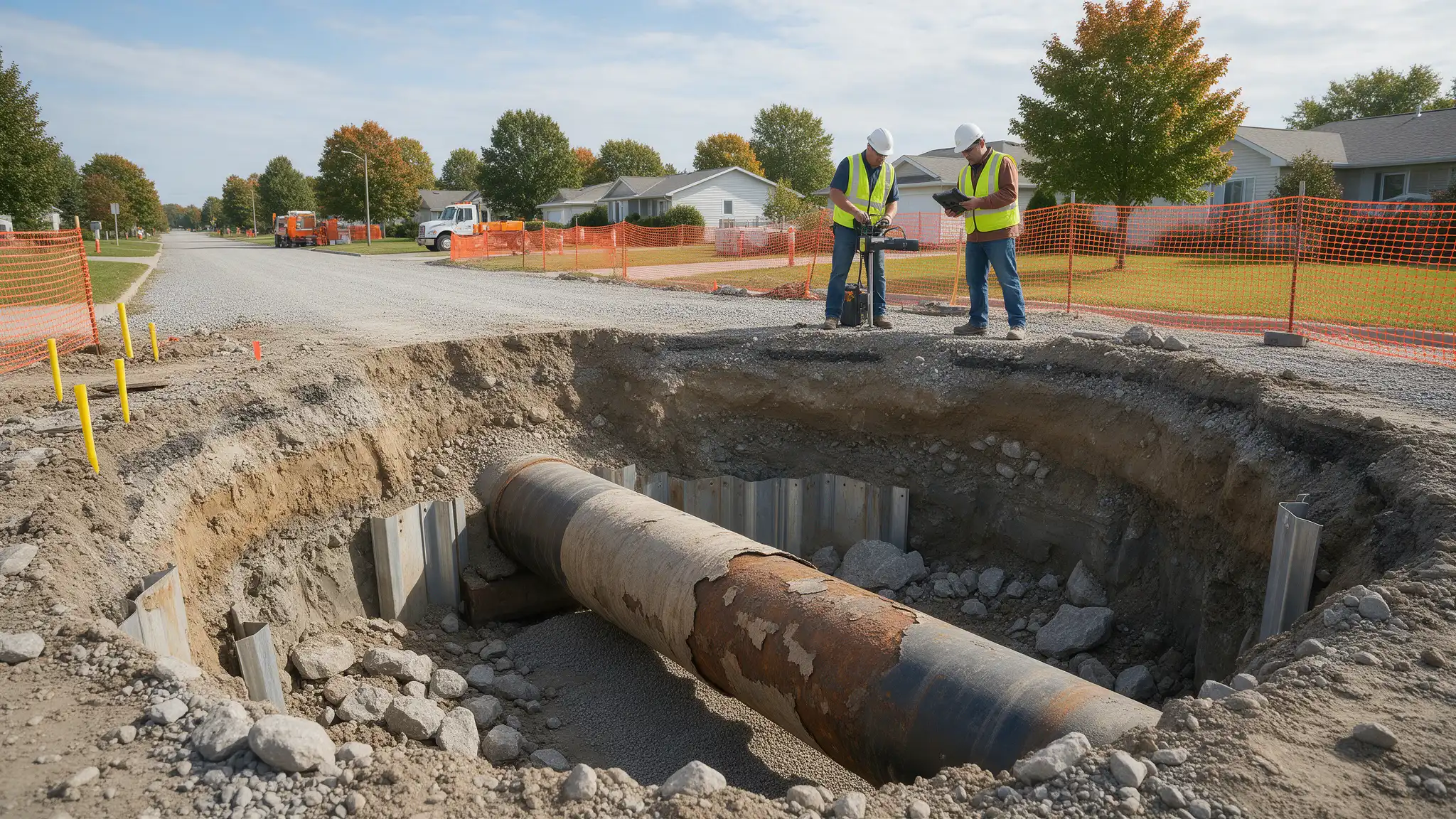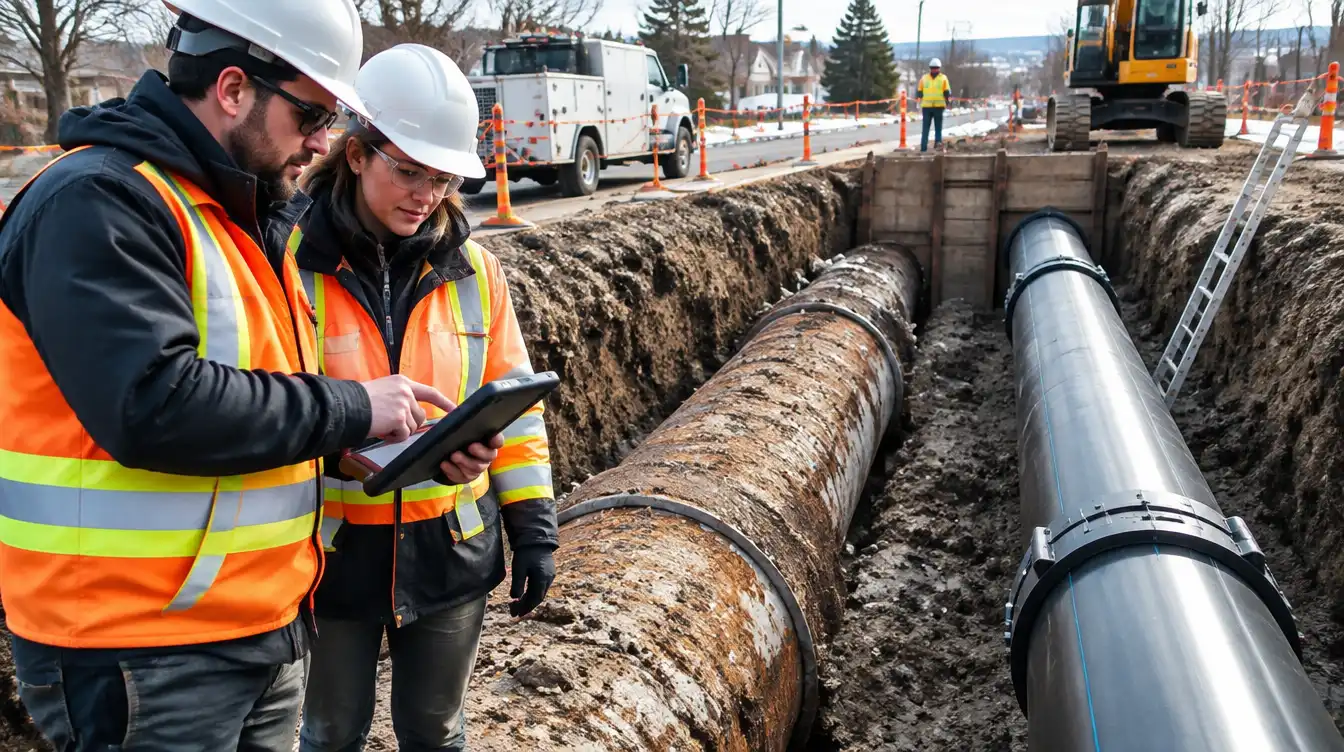
Understanding the decisions and deliverables that move a pipeline project from initial need through design, construction, commissioning, and operational handover.
Successful pipeline projects depend on more than engineering drawings. Early decisions can influence route viability, regulatory requirements, construction cost, environmental impact, operating performance, and long-term reliability.
Phase names vary between owners, industries, and delivery models. However, most pipeline design engineering projects can be organized into seven practical phases.
Phase 1: Project Definition
The first phase establishes what the pipeline must accomplish. The team defines the transported product or fluid, required capacity, operating pressure, source and destination, reliability expectations, schedule, budget, and applicable regulatory framework.
A clear design basis should identify confirmed requirements, assumptions, exclusions, and information that remains uncertain.
Phase 2: Data Collection and Feasibility
The project team collects the information needed to determine whether the proposed pipeline is technically, environmentally, and financially feasible.
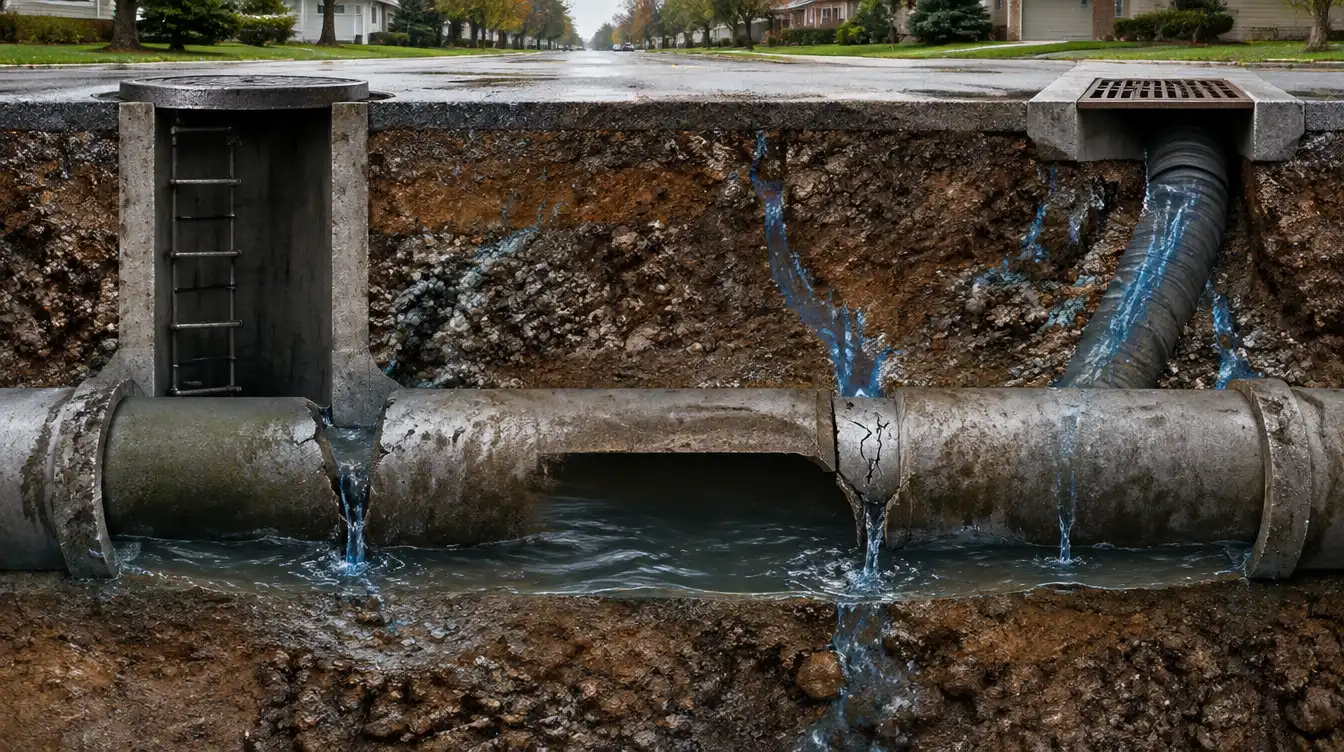
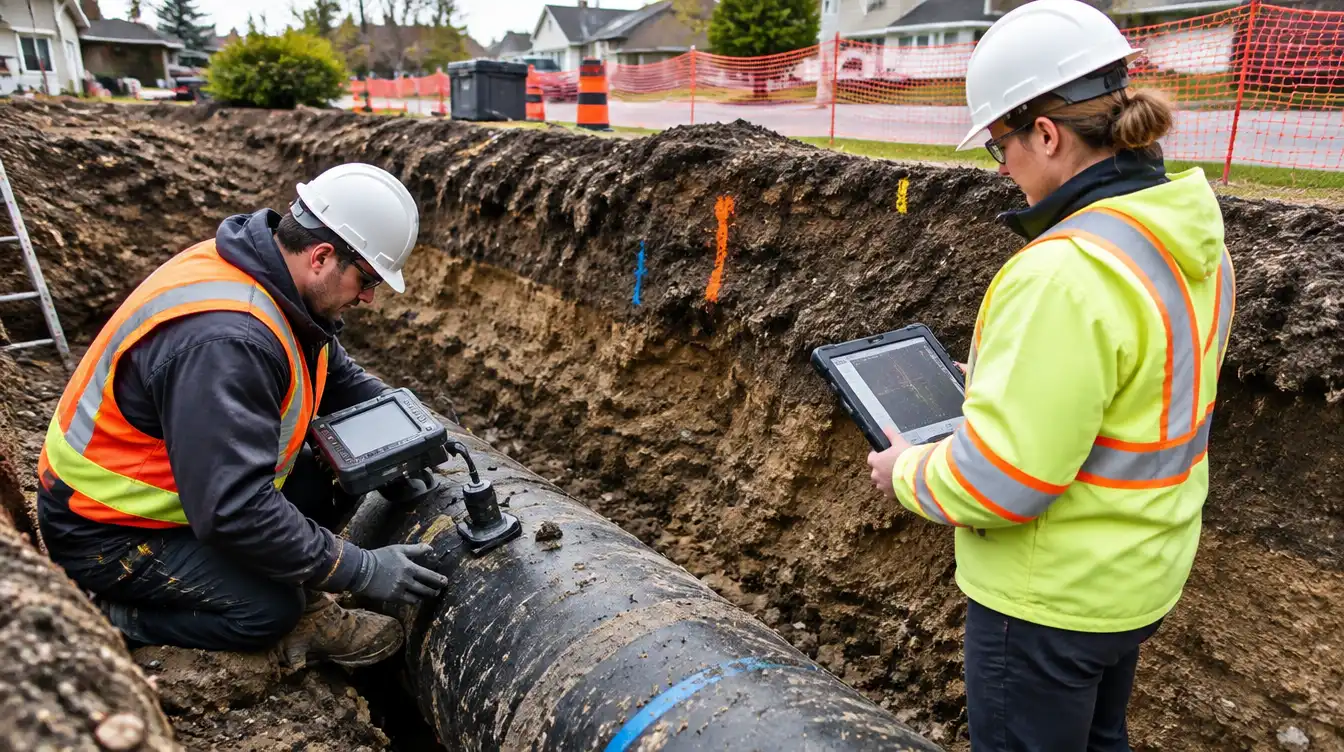
This may include surveys, existing asset records, geotechnical information, operating data, environmental constraints, land requirements, crossings, and available access. Alternative routes, materials, installation methods, or rehabilitation options can then be screened for major risks and constraints.
Phase 3: Conceptual Design
Conceptual design develops the most viable alternatives in enough detail to compare performance, cost, risk, and constructability.
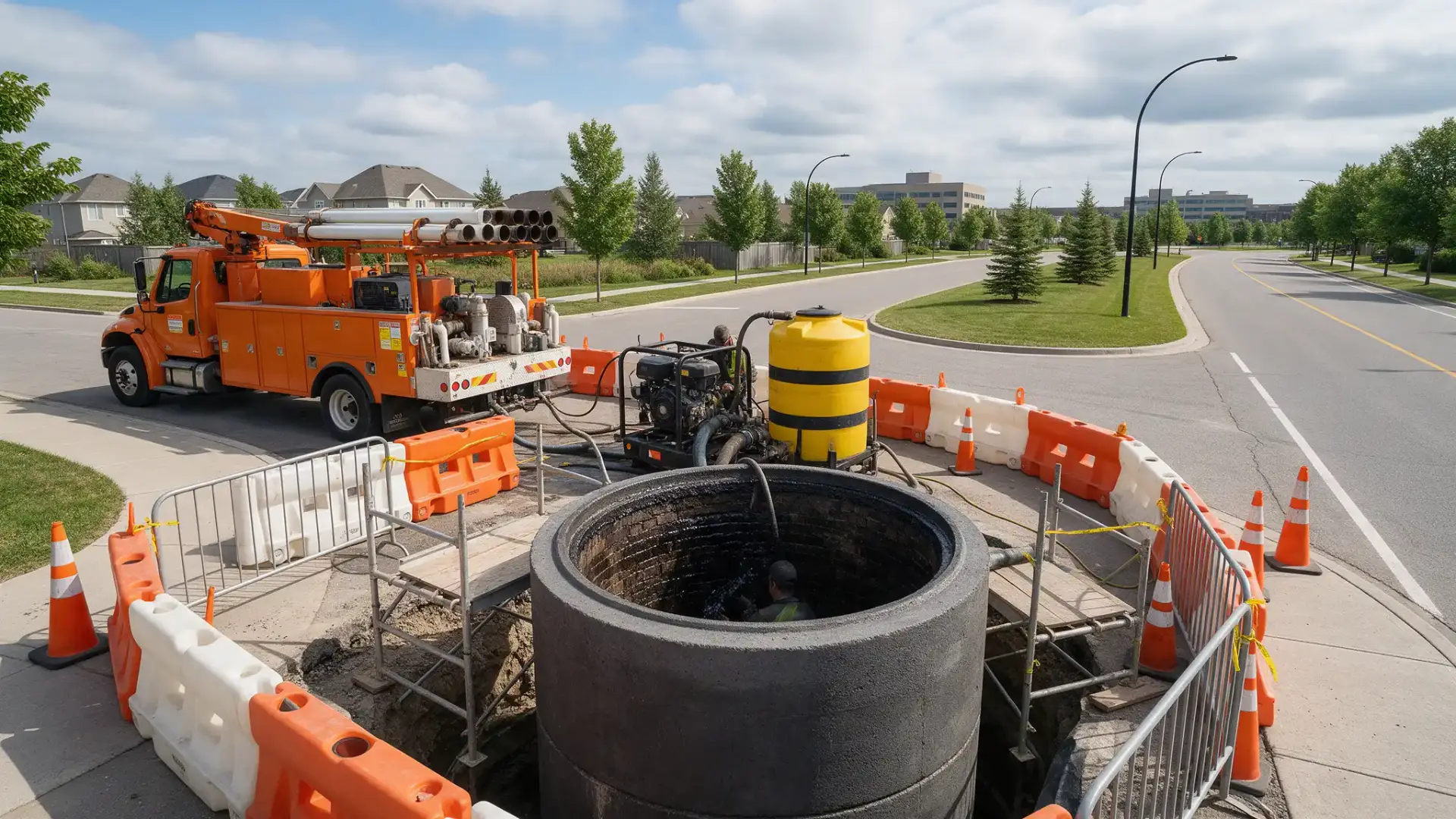
Typical decisions include preliminary diameter, material, alignment, pressure, pumping or compression requirements, valve locations, major crossings, and open-cut or trenchless construction methods.
The preferred concept should balance technical performance, safety, approvals, environmental impacts, schedule, and lifecycle value.
Phase 4: Preliminary Engineering
Preliminary engineering advances the selected concept into a coordinated technical solution. Activities may include hydraulic modelling, transient analysis, pressure design, material selection, corrosion protection, route refinement, crossing design, and tie-in planning.
Regulatory submissions, environmental work, land acquisition, and stakeholder or Indigenous engagement—where applicable—should progress alongside the engineering rather than after it.
Phase 5: Detailed Design
Detailed design produces the drawings, specifications, calculations, and requirements needed for procurement and construction.
The package may include pipeline plans and profiles, material requirements, valve and crossing details, welding or joining requirements, corrosion protection, testing criteria, and commissioning requirements.
Interdisciplinary reviews, constructability reviews, technical checks, and approval tracking are essential before the design is issued.
Phase 6: Procurement and Construction Support
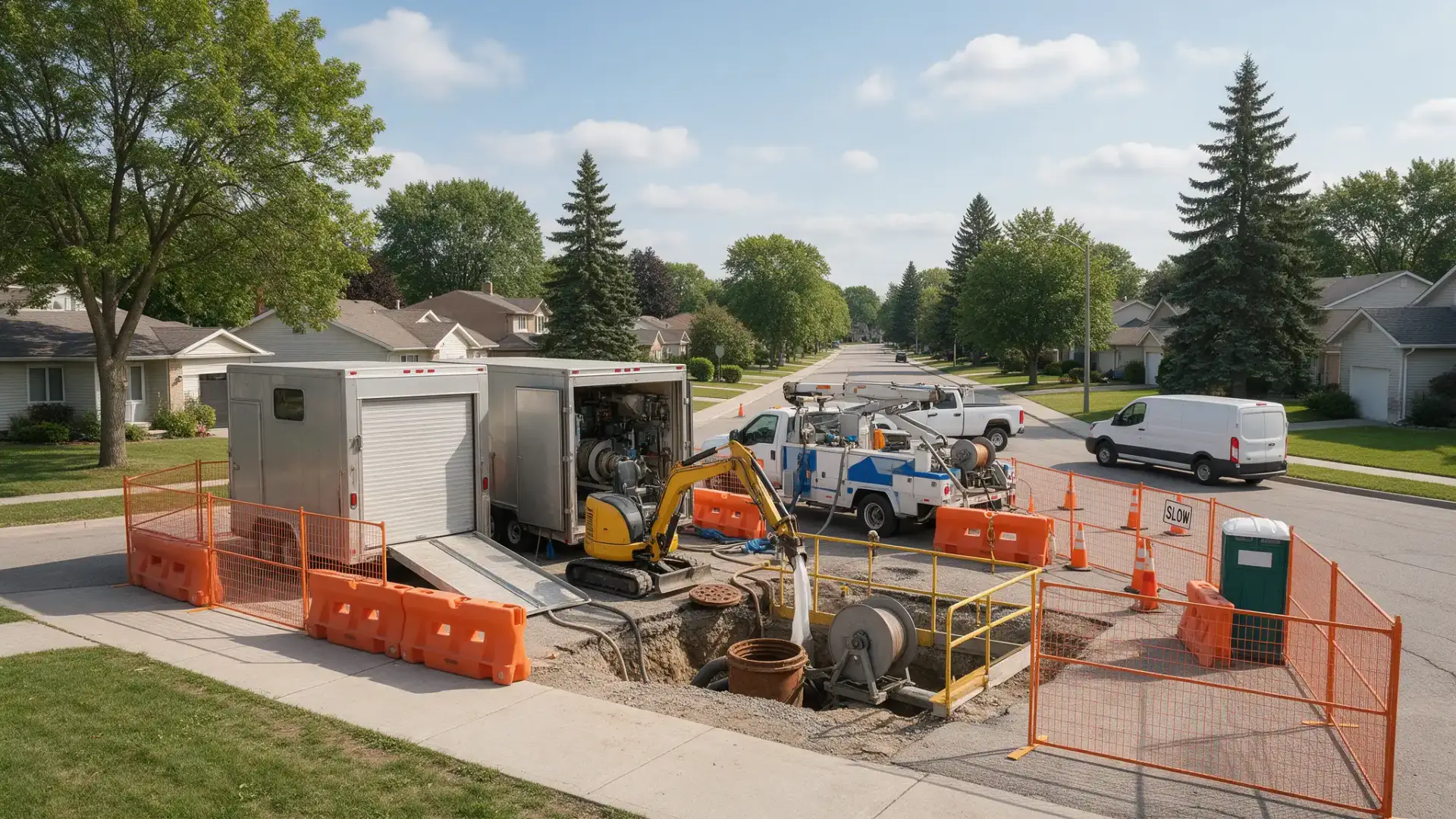
Engineering continues after the design package is complete. The consultant may support contractor prequalification, tendering, technical bid evaluation, supplier submittals, field questions, inspections, and proposed substitutions.
Field changes should be evaluated through a controlled process. Even a minor adjustment may affect pressure design, constructability, regulatory commitments, cost, or future maintenance.
Phase 7: Testing, Commissioning, and Handover
The final phase confirms that the pipeline has been constructed correctly and is ready for service.
Depending on the system, activities may include cleaning, flushing, pressure or leakage testing, dewatering, drying, disinfection, equipment calibration, and functional testing.
Handover should include verified as-built drawings, testing records, material documentation, operating manuals, asset registers, and recommended inspection and maintenance requirements.
Responsibilities Across Every Phase
Health and safety, environmental compliance, risk management, quality control, cost, schedule, constructability, and document management continue throughout the project.
Project managers should also use defined review gates to confirm that the scope is clear, risks are understood, technical reviews are complete, and the project is ready for the next financial commitment.
An Integrated Approach
At Avodahtec, we support pipeline projects from early planning and feasibility through engineering design, procurement, construction support, commissioning, and lifecycle handover.
Connecting these phases helps reduce uncertainty, manage project risk, improve constructability, and deliver pipeline systems that are ready for long-term operation.
Conclusion
Pipeline design engineering is a progression of connected decisions rather than a single design activity.
Project managers who understand these seven phases are better equipped to coordinate technical teams, manage approvals, control changes, and prevent critical requirements from being addressed too late.