The Airports Capital Assistance Program (ACAP) is Transport Canada’s contribution program for safety-related capital projects at eligible regional and local airports. Most of its funding goes to rehabilitating runways, taxiways, aprons, and airfield lighting, and it can cover up to 100% of eligible costs at the smallest airports. Demand far exceeds the program’s budget, so airports with clear evidence of condition, a well-defined scope, and a realistic cost estimate are best placed to secure funding.
This guide explains who ACAP is for, what it funds, how cost sharing works, and how engineering work can strengthen an application. It reflects publicly available program information at the time of writing. Always confirm current terms and intake dates with Transport Canada.
What is ACAP?
ACAP was created in 1995 as part of the National Airports Policy, when the federal government transferred many airports to local ownership and recognized that major capital projects would be beyond the means of many of them. Its objectives are to maintain or increase the safety of Canada’s airport system and to protect airport assets. Since 1995, ACAP has committed over $1.3 billion to 1,288 projects at 201 airports in every province and territory.
Which airports are eligible?
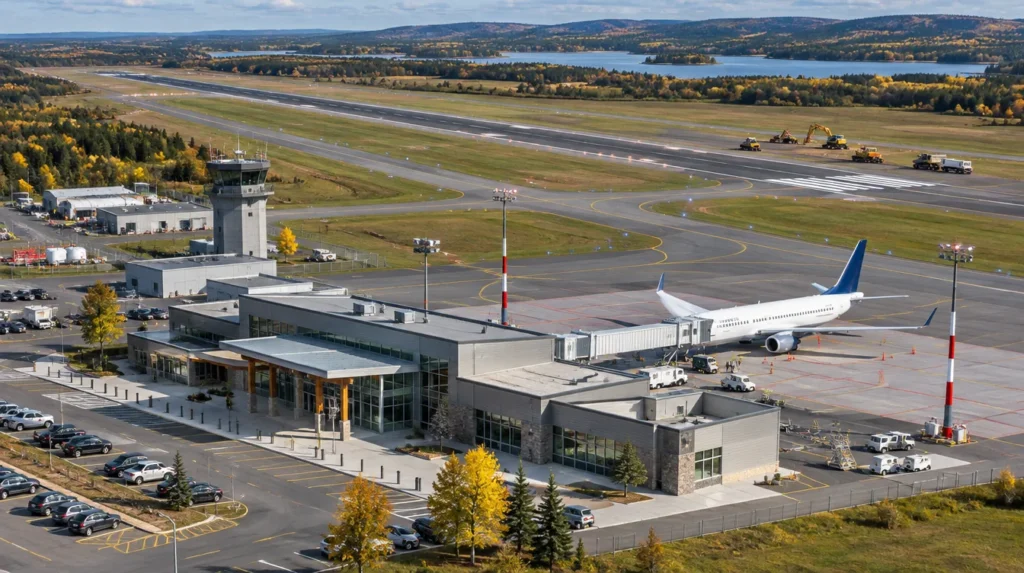
ACAP is aimed at smaller certified airports that provide year-round scheduled passenger service. The large National Airports System airports, which handle more than 525,000 passengers annually, are outside the program. According to Transport Canada’s evaluation of ACAP, about 200 airports were eligible over the period it reviewed, roughly 60% owned by provinces or territories and 40% by municipalities and other owners such as airport societies and not-for-profits.
Eligibility rules have been adjusted over time, so confirm your airport’s status with Transport Canada before investing in an application.
What ACAP funds
ACAP ranks eligible projects in three priority levels:
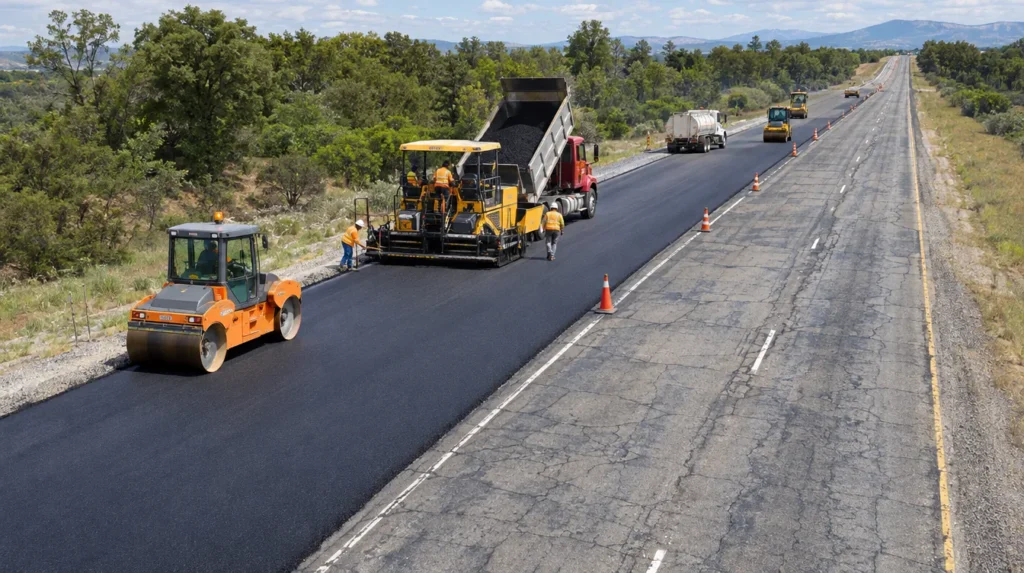
- Priority 1: safety-related airside projects, such as rehabilitation of runways, taxiways and aprons, associated lighting, visual aids, sand storage sheds, utilities that serve eligible items, related site preparation and directly associated environmental costs, and the aircraft firefighting equipment and shelters needed to maintain the level of protection required by regulation.
- Priority 2: heavy safety-related airside mobile equipment, such as runway snowblowers, snowplows, sweepers, spreaders and winter friction testing devices, and their shelters.
- Priority 3: safety-related air terminal building and groundside projects, such as sprinkler systems, asbestos removal and barrier-free access.
Priority 1 dominates in practice. Between 2014-15 and 2020-21, about 90% of the $301.7 million ACAP awarded went to Priority 1 projects.
How much will ACAP pay?
Cost sharing depends on scheduled commercial passenger traffic:
- airports with fewer than 50,000 scheduled commercial passengers a year can be funded at 100%; and
- the federal share drops by 5% for each additional 25,000 passengers, up to 524,999 passengers.
Transport Canada’s evaluation gives two examples. Red Lake Airport in northwestern Ontario, with fewer than 50,000 passengers a year, qualified for 100% funding. Grande Prairie Airport in Alberta, with more than 350,000 passengers a year, qualified for 25%. Airports toward the upper end of the scale need to plan for a substantial local contribution.
Why competition for ACAP funding is tight
ACAP’s annual funding envelope is $38 million, and Transport Canada’s evaluation notes that it has not changed since 2000. Demand is far higher. In one survey, eligible airports forecast ACAP needs of between $104.4 million and $224.7 million over three fiscal years for 249 projects. About half of the applications not approved between 2014-15 and 2020-21 were placed on a reserve list, and some airports reported waiting two to three years before their projects were funded.
That has practical consequences for airport owners:
- Plan airside renewal several years ahead, not when the pavement is already failing.
- Keep applications current with recent condition data and cost estimates while they wait on the reserve list.
- Advance the design so the work can be tendered quickly once funding is confirmed. The evaluation notes that short construction seasons and misaligned planning cycles can delay projects and leave funds unspent.
ACAP also ties funding to asset life. Once an asset has been funded, its expected life must expire before the airport can apply again for that same asset. Program staff estimates that runway rehabilitation extends a runway’s life by about 20 years, and completed construction projects generally carry expected lives of 20 to 40 years.
What makes a strong airside application
ACAP funds projects that maintain or improve safety and protect airport assets, and reviewers need to see why the work is needed now and why the proposed scope is appropriate. For runway, taxiway, apron, and lighting projects, the engineering evidence usually includes the following.
Pavement condition evaluation. A distress survey, typically reported as a Pavement Condition Index (PCI) following ASTM D5340 for airport pavements, documents cracking, rutting, raveling, and other defects and shows how condition is trending.
Structural evaluation. Deflection testing and analysis confirm whether the pavement can carry the aircraft that use it and whether an overlay or reconstruction is needed.
Safety and standards review. The application should link deficiencies to safety risks and to Transport Canada aerodrome standards, covering issues such as surface condition, drainage, lighting performance, and friction.
Options and recommended scope. Comparing treatments such as crack sealing, mill and overlay, or full reconstruction shows that the recommended scope is the right investment, not simply the largest one.
Cost estimate and phasing. A realistic estimate, with contingency suited to the design stage, and a phasing plan that keeps the airport operating during construction give reviewers confidence that the project can be delivered as described.
Lighting and electrical condition. For lighting projects, documented failures, obsolete components, and test results support the case for replacement.
Keeping the airport open during construction
Runway work is rarely as simple as closing the airfield. Phasing, temporary displaced thresholds, night work, coordination with airlines and medevac operators, and airside construction safety all affect cost and schedule. Planning these early produces a more accurate estimate and fewer surprises once the contractor is on site.
Other funding for airports in Alberta
Airports that are not eligible for ACAP may have other options. In Alberta, the Community Airport Program, part of the Strategic Transportation Infrastructure Program, funds rehabilitation and lighting at community-owned, public-use airports owned by municipalities and Metis Settlements. The province covers 75% of eligible costs, and the municipality covers 25%. Eligible pavement work includes fog seals, slurry seals and overlays on the primary runway, the apron and the primary taxiway.
Airports with passenger service that are eligible for federal programs such as ACAP cannot apply to the Community Airport Program; drainage, fencing, buildings, and navigation aids are also ineligible. Applications are due by November 30 for funding in the following year. Other provinces run their own airport funding programs, so check what applies in your jurisdiction.
How Avodahtec helps airports
Avodahtec is an independent engineering firm with no stake in construction. We help airport owners and operators assess airside pavements, drainage, and supporting infrastructure, identify the right scope and timing for rehabilitation, and prepare the condition evidence, design, and cost estimates that funding applications require.
Once funding is in place, we prepare tender documents and provide project management and construction inspection so the work is delivered as approved. Learn more about our transportation and airport engineering services, as well as our approach to pavement management.
Frequently asked questions
What does the Airports Capital Assistance Program fund?
ACAP mainly funds safety-related airside projects, such as rehabilitation of runways, taxiways, aprons, and airfield lighting. It also funds aircraft firefighting equipment, heavy airside mobile equipment, and some safety-related terminal projects.
Who can apply for ACAP?
Owners and operators of eligible airports can apply. These are generally smaller certified airports with year-round scheduled passenger service that are not part of the National Airports System. Confirm eligibility with Transport Canada before applying.
How much of a project does ACAP cover?
Airports with fewer than 50,000 scheduled commercial passengers a year can be funded at 100%. The federal share drops by 5% for each additional 25,000 passengers, up to a maximum of 524,999 passengers.
What if our airport is not eligible for ACAP?
Provincial programs may help. In Alberta, municipally owned community airports that are not eligible for ACAP can apply to the Community Airport Program, which covers 75% of eligible costs.
Book a free consultation
If your airport is planning runway, taxiway, apron, or lighting work, early engineering input can sharpen your funding application and your project. Book a free consultation with Avodahtec to discuss your airfield and next steps.
Book a free consultation