
Effluent Pipeline Design: Standards, Challenges, and Best Practices in Canada
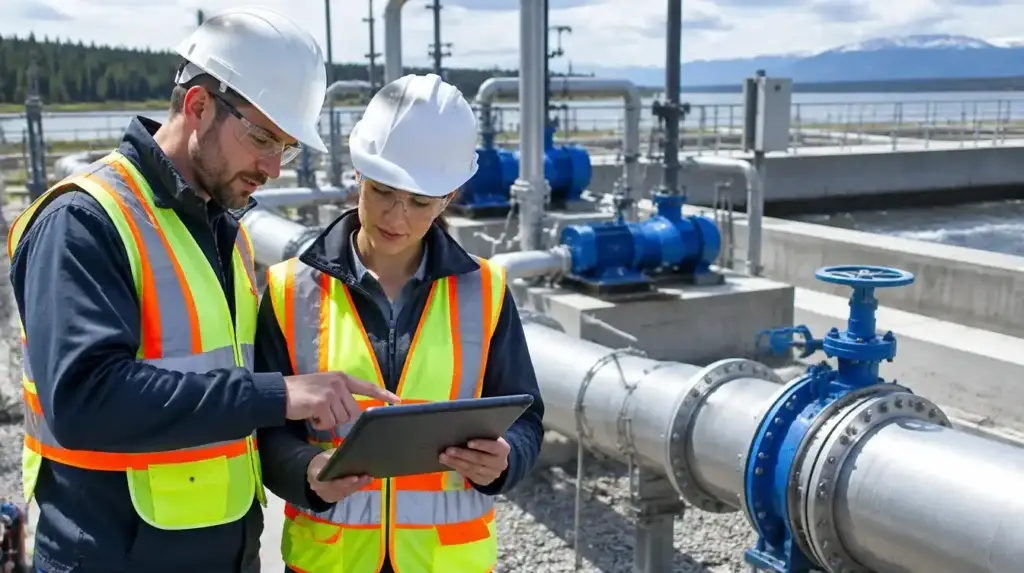
Designing reliable treated-effluent pipelines and outfalls around hydraulic performance, environmental protection, constructability, and long-term operation. Effluent pipelines convey treated wastewater to a receiving environment, reuse system, or storage facility. Although treated, the pipeline remains critical infrastructure: failure can interrupt plant operation, cause an unintended release, or prevent compliance with approval requirements. Effluent pipeline design in […]
Pipeline Infrastructure Renewal: When to Repair, Rehabilitate, or Replace
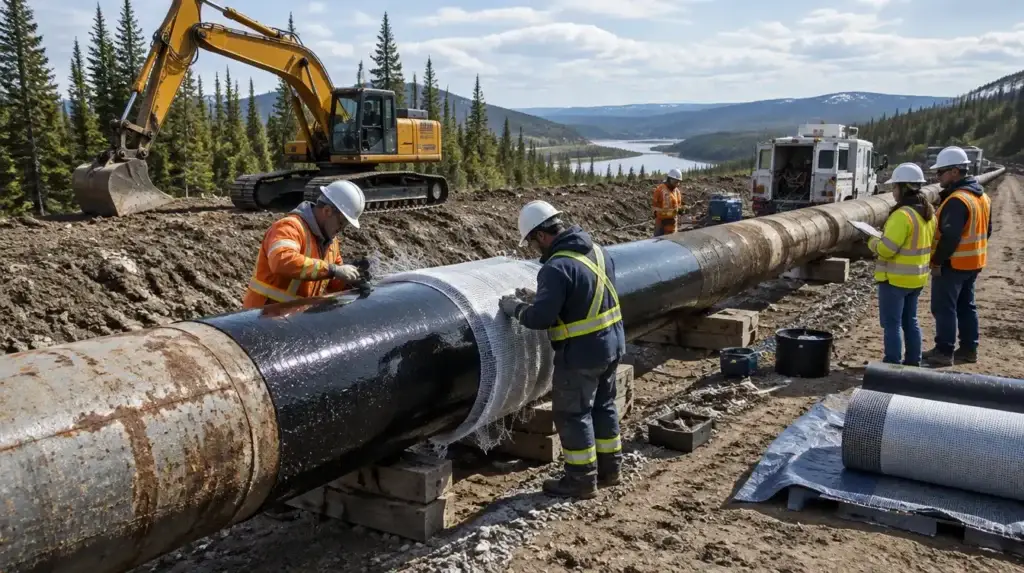
Choosing the right intervention by connecting pipeline condition, service risk, constructability, and lifecycle value. Pipeline infrastructure renewal is rarely a simple choice between fixing a defect and installing a new pipe. A localized repair may restore service quickly, while rehabilitation can address broader deterioration with less disruption. In other cases, replacement is the only option […]
Oil & Gas Pipeline Consulting in Edmonton: What to Look for in a Firm
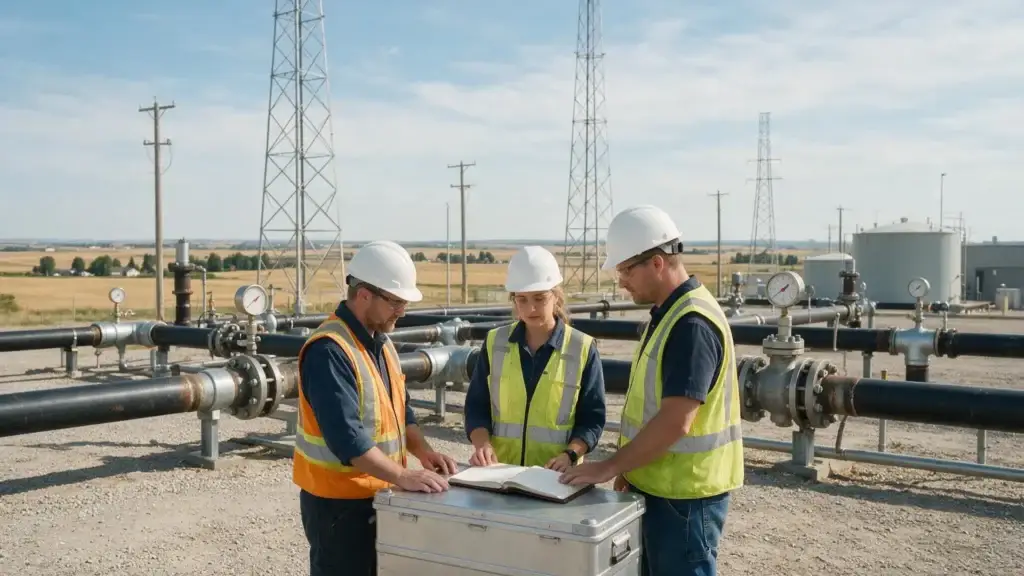
Choosing an engineering consultant with the technical, regulatory, and project-delivery capabilities required for safe and reliable pipeline infrastructure. Pipeline projects in Alberta operate within a demanding technical and regulatory environment. Design decisions must account for safety, operating conditions, environmental constraints, constructability, integrity, and long-term performance. When evaluating oil and gas pipeline consulting in Edmonton, owners […]
Pipeline Design Engineering: The 7 Phases Every Project Manager Should Know

Understanding the decisions and deliverables that move a pipeline project from initial need through design, construction, commissioning, and operational handover. Successful pipeline projects depend on more than engineering drawings. Early decisions can influence route viability, regulatory requirements, construction cost, environmental impact, operating performance, and long-term reliability. Phase names vary between owners, industries, and delivery models. […]
How to Extend the Lifespan of Aging Pipeline Infrastructure in Canada
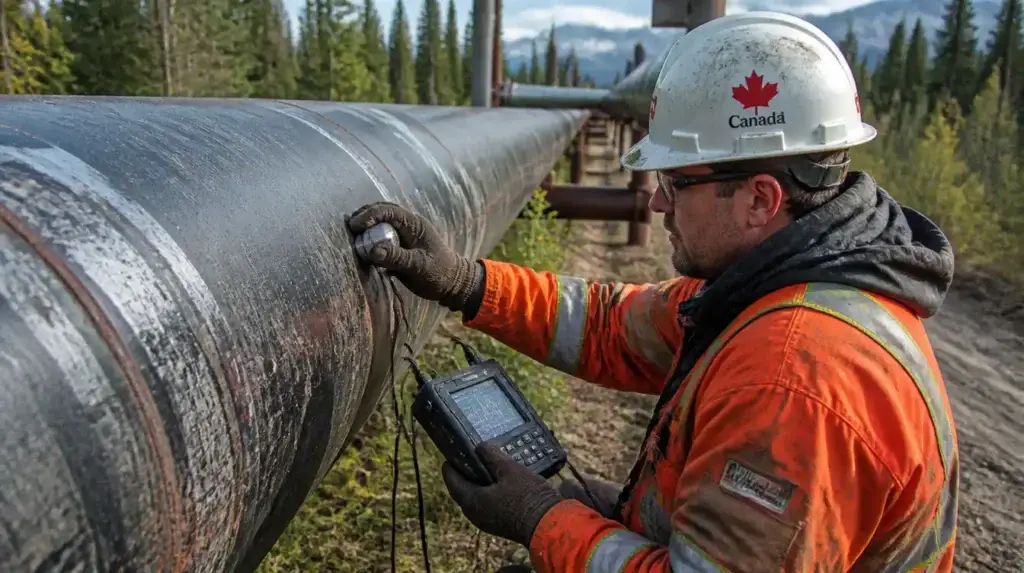
Using condition assessment, preventive maintenance, and targeted rehabilitation to improve reliability and defer unnecessary replacement. Across Canada, infrastructure owners are managing pipeline systems that have been in service for decades. Replacing every aging pipeline is neither practical nor financially sustainable. In many cases, the better approach is to understand how the pipeline is performing, identify […]
What Is Pipeline Lifecycle Management? A Complete Guide for Asset Owners
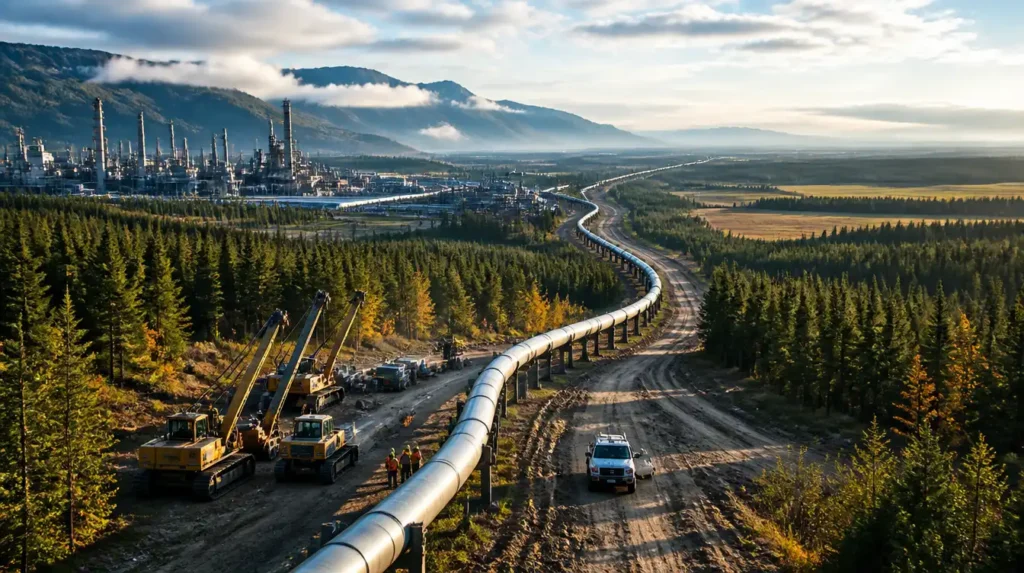
Managing pipelines from initial planning through operation, rehabilitation, and eventual decommissioning to improve reliability, control risk, and optimize long-term investment. Pipelines are long-term infrastructure assets that may remain in service for decades. During that time, operating conditions, service requirements, asset condition, and the consequences of failure can change significantly. Pipeline lifecycle management provides a coordinated […]
Pipeline Integrity Management in Alberta: What Municipalities Need to Know
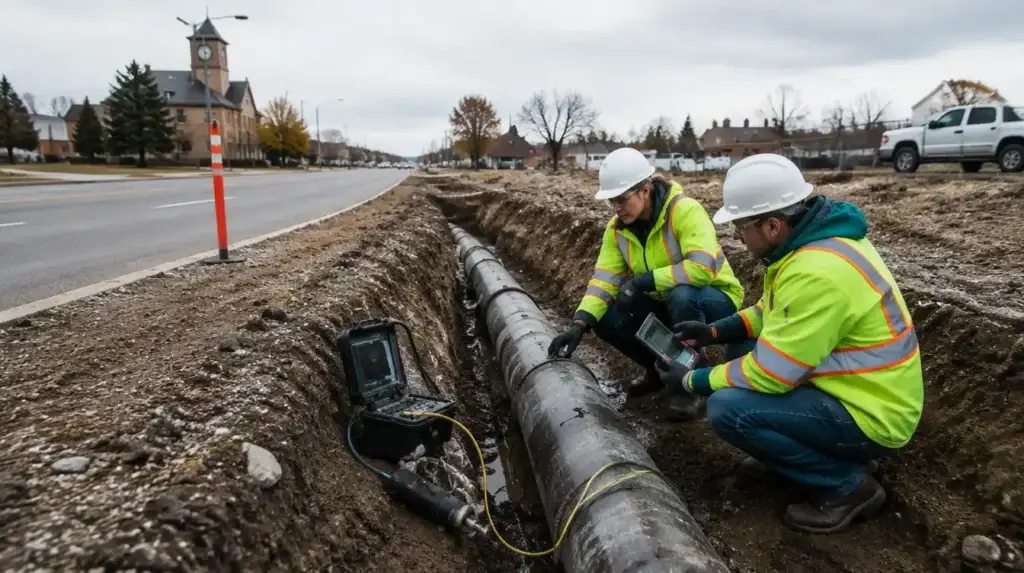
Helping municipalities understand pipeline condition, manage failure risk, prioritize investment, and navigate Alberta’s regulatory environment. Municipalities across Alberta depend on pipeline networks to deliver drinking water, collect wastewater, manage stormwater, and support essential services. Many systems include aging assets, incomplete records, and increasing demands from growth. Municipalities also interact with regulated energy pipelines in utility […]