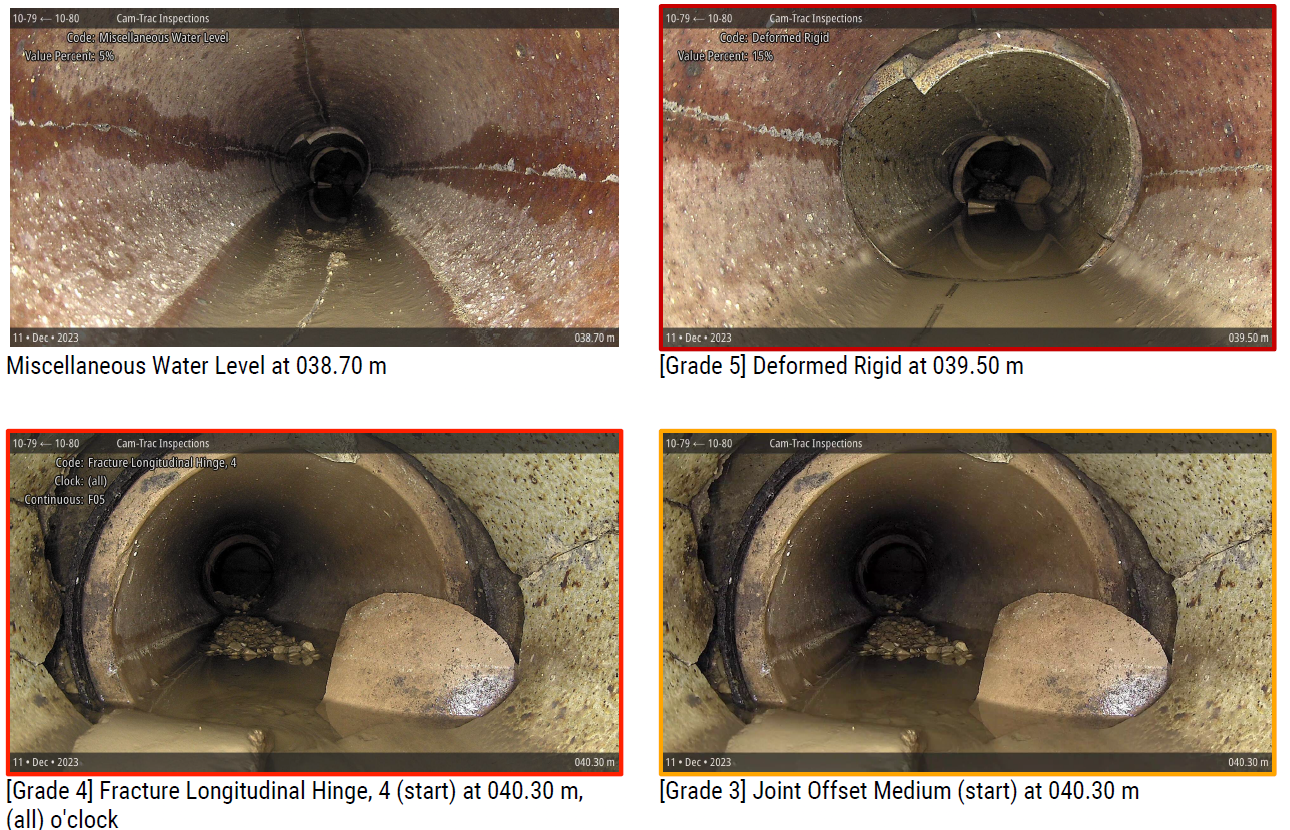
Town of Stony Plain Sanitary Sewer Condition Assessment Program
Risk-based condition assessment of four sanitary sewer segments using NASSCO PACP inspections and Avodahtec’s PCOF and SSR scoring framework.
View Project
An ergonomics study of The Little Potato Company's existing potato wash line in Nisku, used to identify musculoskeletal injury risks and build safer, more efficient work design into the company's second wash line before it is built.
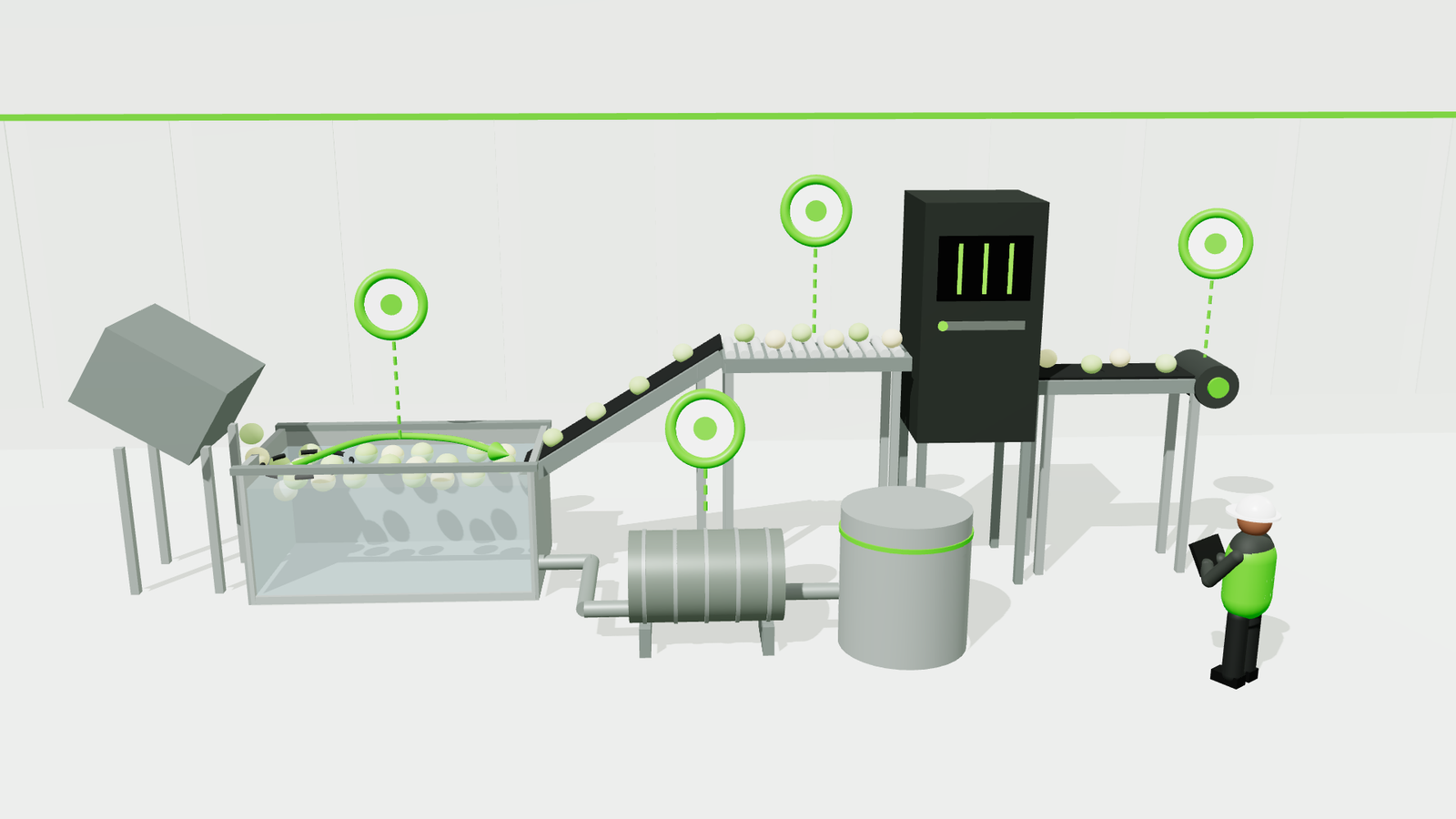
The Little Potato Company (LPC) is adding a second wash line at its processing facility in Nisku, Alberta. As part of Avodahtec's ongoing work on the project, LPC asked us to study the existing line so that lessons from daily operation could inform the new design. We collected on-site data in August 2025, focusing on three positions with the most frequent and demanding interactions with the wash line: the Wash Line Lead, the Maintenance Technician, and the Sanitation Lead. Working with these employees, we assessed seven higher-risk tasks, from product sampling and plant inspections to maintenance at height and sanitation of the destoner, trenches, and drains, and developed task-specific recommendations for both the existing and proposed lines.
Nisku Potato Wash Line
Existing potato wash line at LPC's Nisku processing plant
3 Work Positions
Wash Line Lead, Maintenance Technician, and Sanitation Lead
On-Site Ergonomic Study
Video recordings, photographs, workstation measurements, and worker interviews
REBA & Borg RPE
REBA, Borg Rating of Perceived Exertion, ISO 13850, ISO 9241-210, and Alberta OHS requirements
Risks on the line ranged from bending and reaching to collect samples, to kneeling and working at height during maintenance, to long walks across the plant to inspect equipment or reach emergency stops. Sanitation crews also faced awkward postures and equipment access problems in a wet, cold environment. The best time to remove ergonomic risk is at the design stage, when changes cost the least. LPC needed findings early enough to shape the second line, and recommendations that balanced worker safety with throughput, cost, and maintainability.
Risks on the line ranged from bending and reaching to collect samples, to kneeling and working at height during maintenance, to long walks across the plant to inspect equipment or reach emergency stops. Sanitation crews also faced awkward postures and equipment access problems in a wet, cold environment.
The best time to remove ergonomic risk is at the design stage, when changes cost the least. LPC needed findings early enough to shape the second line, and recommendations that balanced worker safety with throughput, cost, and maintainability.
With LPC, we selected the positions that interact most with the wash line, then used observation and worker input to identify the tasks carrying the highest ergonomic risk.
We documented each task through video, photographs, workstation measurements, and discussions with the workers who perform it.
We used the Rapid Entire Body Assessment (REBA) to evaluate the most demanding, prolonged, and high-force postures.
We applied the Borg Rating of Perceived Exertion (RPE) scale to identify tasks imposing excessive physical effort and fatigue.
We rated each task's overall risk and priority for change, combining postural, biomechanical, and physiological results with how often the task is performed.
We developed layered controls for each task, including optimized lifting heights, shorter inspection routes and remote monitoring, additional emergency stops in line with ISO 13850, localized heating, and improved sanitation access.
Lessons from the existing line were captured in time to shape the layout and equipment of the second line.
The people doing the work helped identify the tasks and conditions that matter most, grounding the study in day-to-day reality.
REBA and Borg RPE gave LPC objective, comparable risk ratings to prioritize action.
Recommendations combined work practices, administrative controls, and engineering changes rather than relying on training alone.
Reducing injury risk also supports throughput, maintainability, lower absenteeism, and long-term return on investment.
Explore more of our work
Risk-based condition assessment of four sanitary sewer segments using NASSCO PACP inspections and Avodahtec’s PCOF and SSR scoring framework.
View Project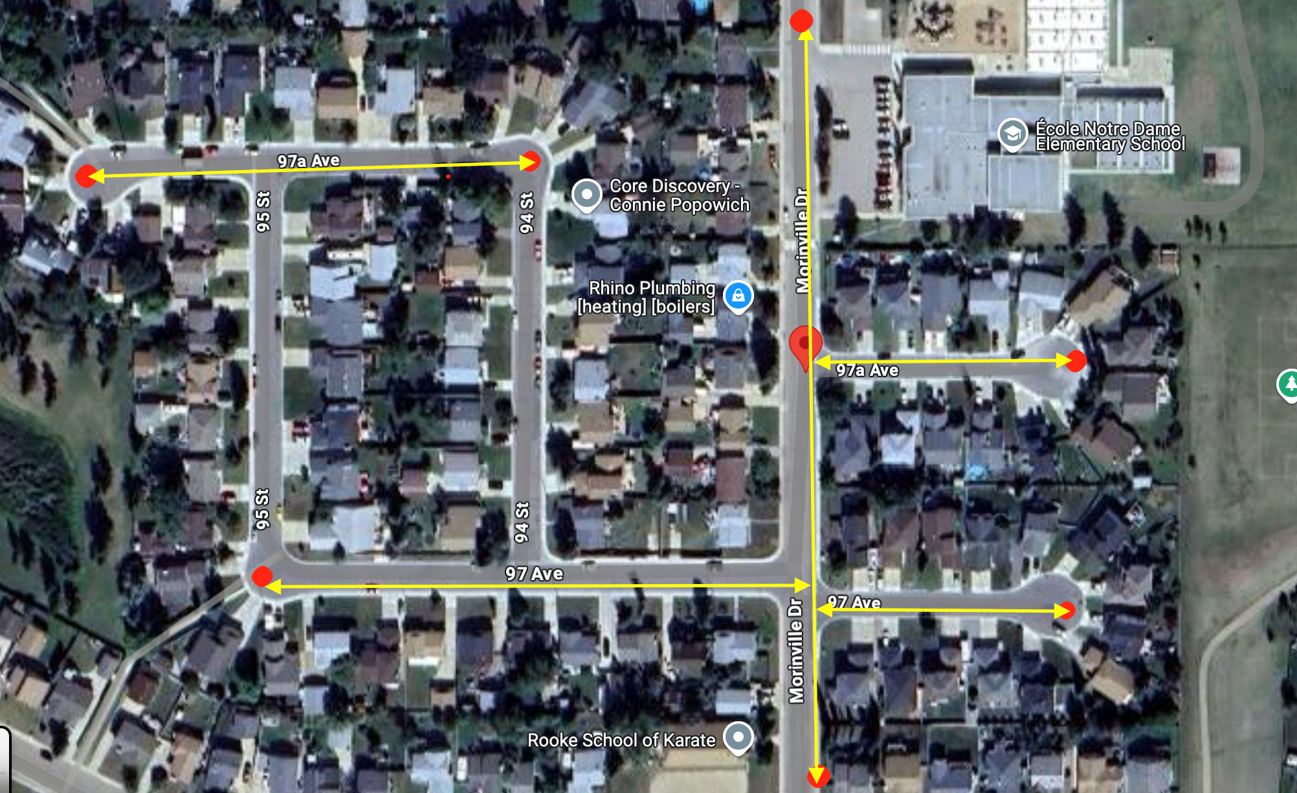
Pilot condition assessment of eleven sanitary sewer segments using CCTV data and risk-based scoring to identify maintenance priorities.
View Project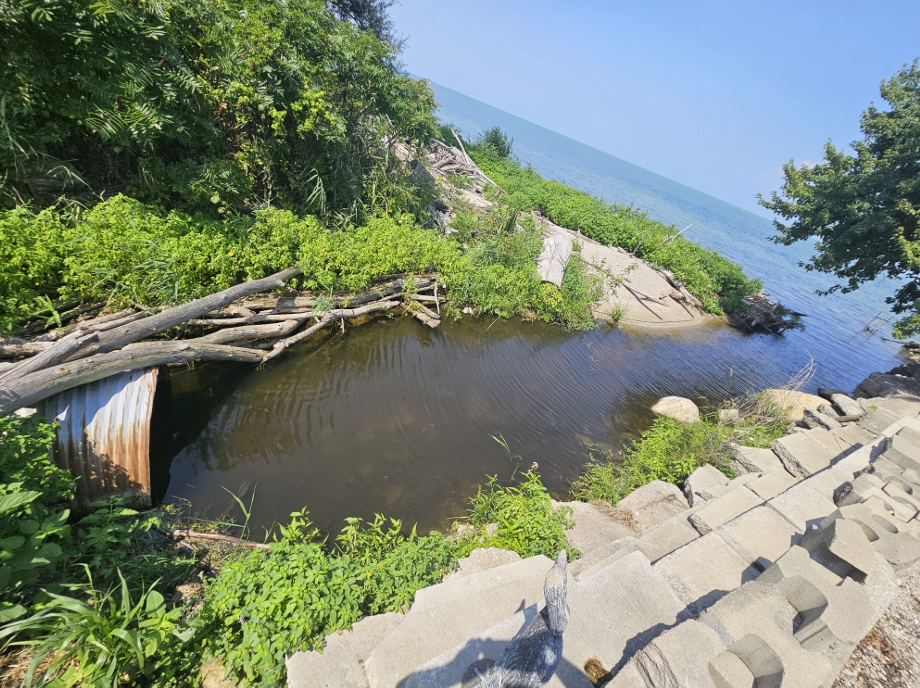
Engineer of Record services for ROV-based submerged inspections of six railway culverts across three Ontario rail subdivisions, translating video and sonar findings into risk-based engineering recommendations.
View Project