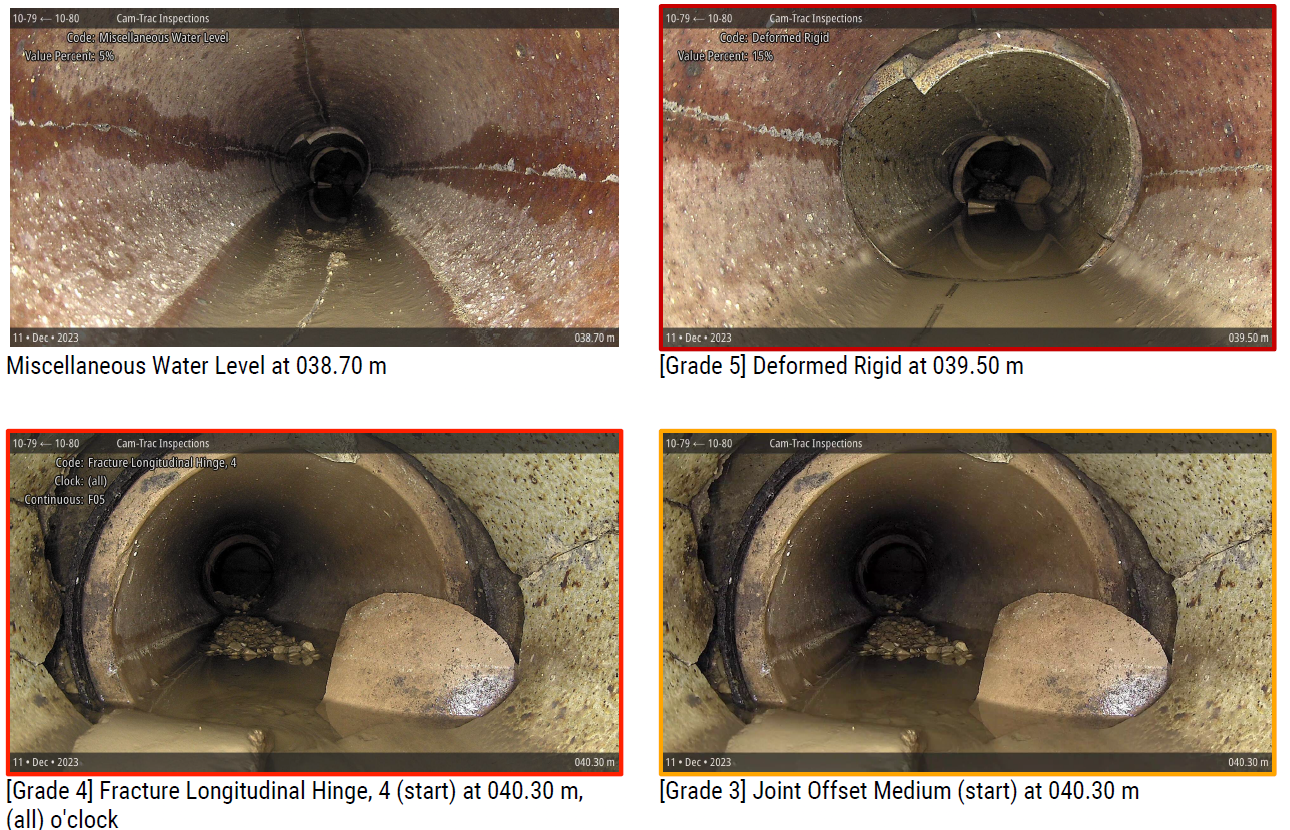
Town of Stony Plain Sanitary Sewer Condition Assessment Program
Risk-based condition assessment of four sanitary sewer segments using NASSCO PACP inspections and Avodahtec’s PCOF and SSR scoring framework.
View Project
Engineer of Record services for ASI Marine on ROV-based submerged inspections of six railway culverts across three Ontario rail subdivisions, turning underwater video and sonar data into engineering condition findings and risk-based recommendations for the railway contractor.
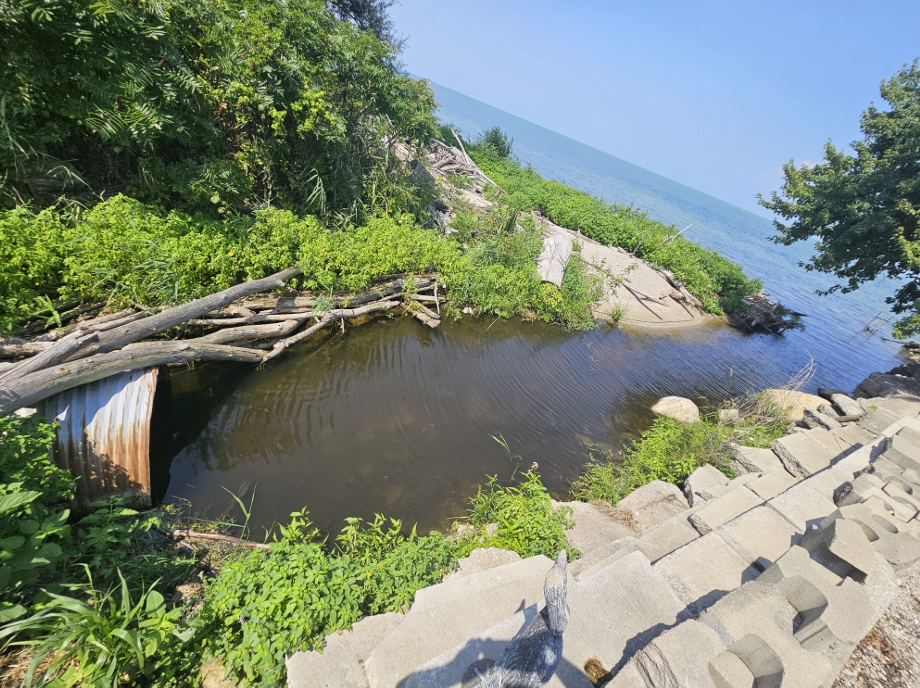
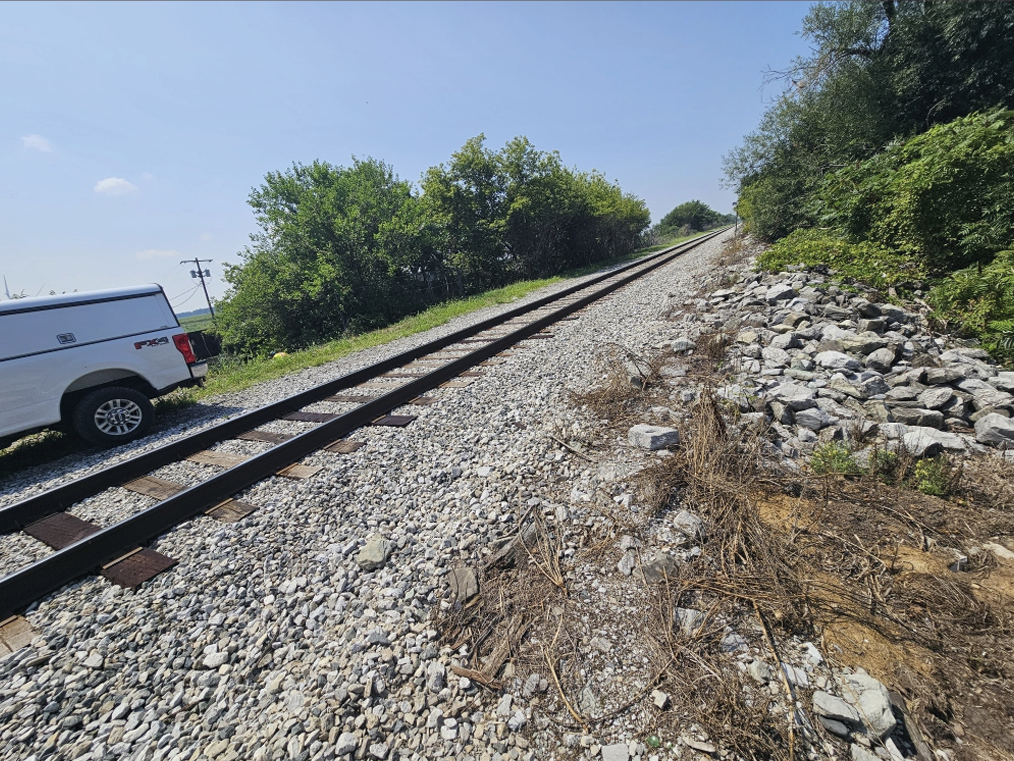
Railway culverts carry water beneath active track, and many are partly or fully submerged, which makes them difficult and unsafe to inspect by conventional means. ASI Marine was contracted by PNR RailWorks to inspect six culverts using a remotely operated vehicle (ROV). Avodahtec served as ASI's Engineer of Record, reviewing the inspection data, interpreting the observed conditions, and providing the engineering conclusions and recommended actions in each culvert report. The culverts, built from reinforced concrete, corrugated metal pipe, or a combination of both, range in diameter from about 2.8 ft to 10 ft. Findings included sediment occupying up to roughly 40% of the cross-section, concrete joint separations, exposed and corroding reinforcement, and steel corrosion, with one culvert assessed as likely structurally compromised.
6 Railway Culverts
Six railway culverts in concrete, corrugated metal pipe, and mixed construction
3 Ontario Subdivisions
Chatham, Smiths Falls, and Alexandria subdivisions, Ontario
ROV Video & Sonar
Continuous HD video, 2D multibeam imaging sonar, and profiling sonar cross-sections at regular intervals
6 Condition Reports
Condition interpretation, risk-based conclusions, and recommended actions for each culvert
High turbidity, vegetation, and debris limited visibility and blocked ROV access in some culverts, so only two could be inspected in part. At several sites, measured dimensions differed from the owner's records, and one culvert may be arched rather than circular, which directly affects how sediment loss of capacity is calculated. These culverts protect active rail lines, where a blockage, overtopping event, or structural failure can disrupt service and compromise safety. The railway contractor needed clear, defensible engineering conclusions from inspection data alone, along with practical guidance on what to do next.
High turbidity, vegetation, and debris limited visibility and blocked ROV access in some culverts, so only two could be inspected in part. At several sites, measured dimensions differed from the owner's records, and one culvert may be arched rather than circular, which directly affects how sediment loss of capacity is calculated.
These culverts protect active rail lines, where a blockage, overtopping event, or structural failure can disrupt service and compromise safety. The railway contractor needed clear, defensible engineering conclusions from inspection data alone, along with practical guidance on what to do next.
We reviewed the HD video, imaging sonar, cross-section profiles, site photographs, and daily logs collected by ASI for each culvert.
We assessed joint separation, spalling, exposed reinforcement, corrosion, deformation, and signs of structural distress for each culvert construction type.
We used the sonar cross-sections to estimate how much of each culvert's flow area was lost to sediment, and the resulting risk of blockage or overtopping during high flows.
We flagged where partial access, turbidity, or differences from owner records limited confidence, including where culvert geometry should be confirmed before relying on capacity estimates.
We determined the structural and operational status of each culvert, from structurally functional with sediment concerns to likely compromised.
We recommended proportionate next steps for each culvert, including sediment and vegetation removal, periodic monitoring, re-inspection after major storms, and further structural, geotechnical, or material testing where warranted.
Pairing ASI's specialized ROV inspection with Avodahtec's engineering judgment yielded a single, complete deliverable for the client.
Engineering interpretation turned underwater video and sonar data into straightforward conclusions about condition and capacity.
Each report stated where access, visibility, or record discrepancies limited the findings, so decisions rest on what the data can support.
Recommendations matched each culvert's actual condition, prioritizing sediment removal and further evaluation where the risk was highest.
Focusing on blockage, overtopping, and structural risk supports safe, reliable rail service and informed renewal planning.
Explore more of our work
Risk-based condition assessment of four sanitary sewer segments using NASSCO PACP inspections and Avodahtec’s PCOF and SSR scoring framework.
View Project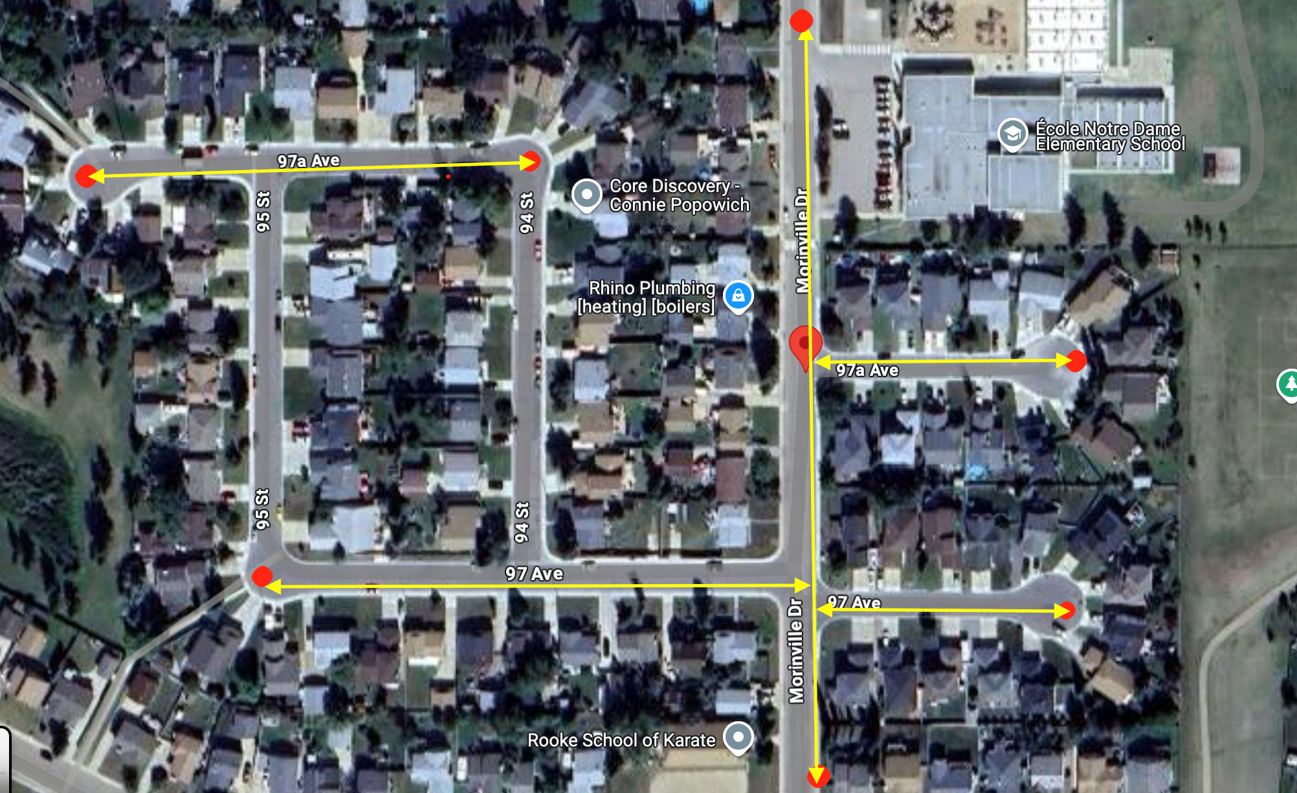
Pilot condition assessment of eleven sanitary sewer segments using CCTV data and risk-based scoring to identify maintenance priorities.
View Project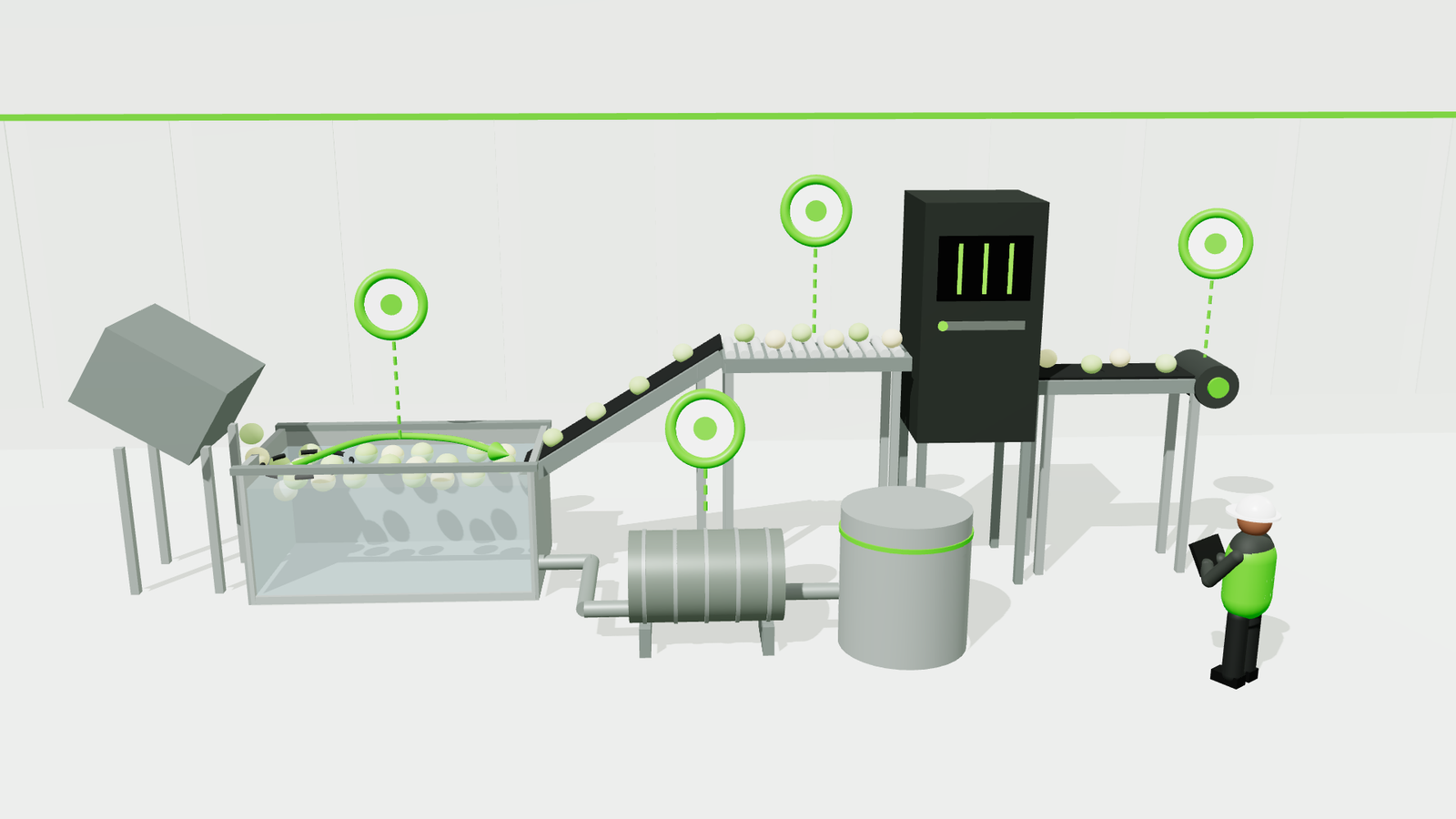
An ergonomics assessment of the existing Little Potato Company wash line in Nisku to inform safer, more efficient design of the second processing line.
View Project