How qualitative, semi-quantitative, and quantitative methods help Alberta pipeline owners prioritize threats, inspections, mitigation, and investment.
Pipeline risk assessment in Alberta supports decisions about integrity, maintenance, emergency planning, and capital investment. It helps owners compare assets and determine where additional information or intervention will reduce risk most effectively.
The method must fit the pipeline and the decision. A screening model used to rank municipal assets serves a different purpose than a detailed assessment for a regulated high-pressure energy pipeline.
Risk Begins With Threat Identification
Most assessments evaluate some form of likelihood and consequence of failure. Before either can be estimated, the team must identify credible threats and failure modes.
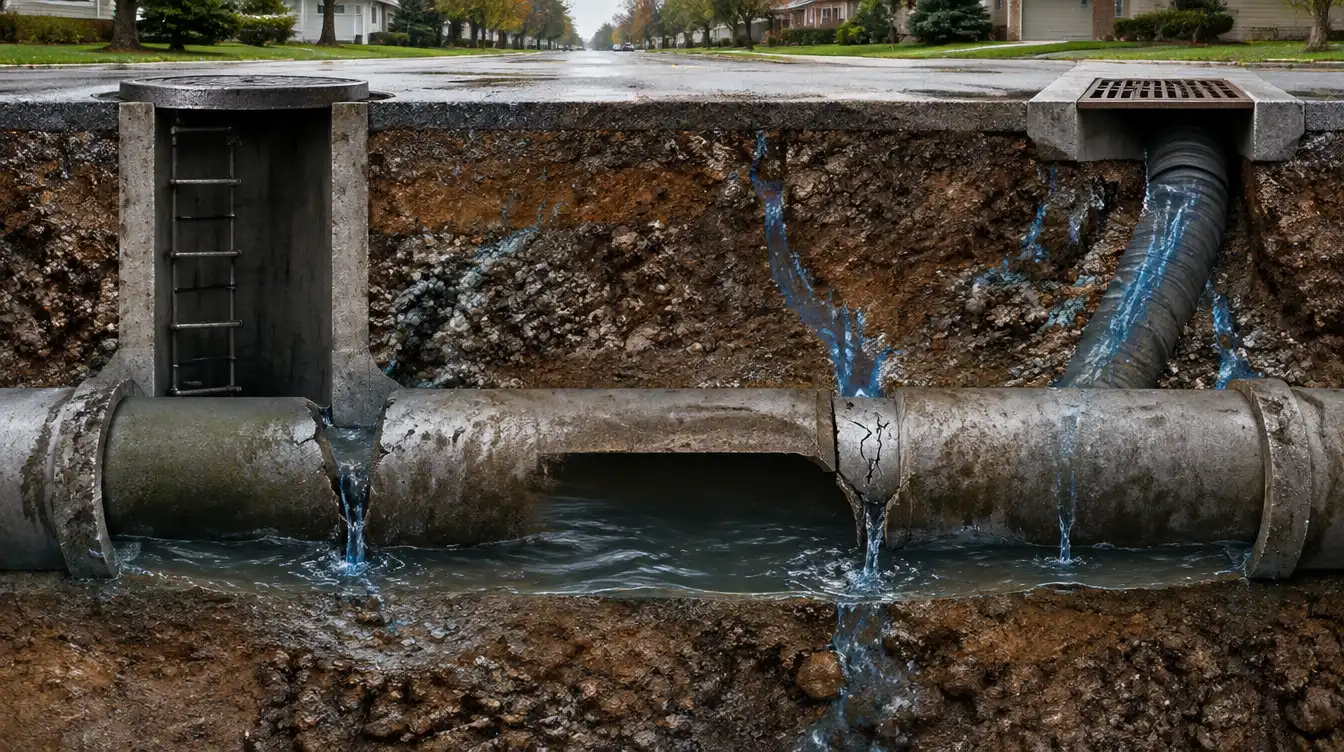
Threats may include internal or external corrosion, cracking, manufacturing or construction defects, third-party damage, geotechnical movement, hydraulic transients, equipment failure, incorrect operations, or natural hazards. Their relevance depends on the transported product, material, pressure, location, operating history, and environment.
Consequence analysis may consider public and worker safety, environmental effects, service interruption, property damage, regulatory exposure, emergency response, and financial impact.
Qualitative and Semi-Quantitative Methods
Qualitative methods use descriptive categories such as low, medium, and high. Teams apply defined criteria and professional judgment to place assets within a risk matrix or priority group.
This approach is useful when data are limited, when a portfolio requires an initial screening, or when the objective is to identify information gaps. It is relatively easy to communicate, but results can be sensitive to broad categories and inconsistent scoring.
Clear definitions and documented rationale are essential if different teams or assessment cycles are expected to produce comparable results.
Semi-quantitative assessments assign numerical scores to likelihood indicators, consequences, and sometimes the effectiveness of existing controls. Weighted factors may be combined to produce relative risk scores or rankings.
These methods can incorporate more detail than a qualitative matrix while remaining practical for large asset portfolios. They are commonly used to prioritize inspections, maintenance, and renewal.
The numbers do not necessarily represent actual failure probabilities or dollar losses. Weighting, score ranges, and data quality can influence the ranking, so sensitivity checks and engineering review are important.
Quantitative Risk Assessment
Quantitative methods estimate risk using numerical probabilities, frequencies, consequences, or expected losses. They may include probabilistic failure models, consequence modelling, reliability analysis, and uncertainty ranges.
This level of analysis can support complex or high-consequence decisions, but it requires reliable data, suitable models, and specialized expertise. A detailed calculation is not automatically more accurate if key inputs are uncertain.
Quantitative results should therefore be presented with assumptions, limitations, uncertainty, and the conditions under which the conclusions remain valid.
Alberta’s Regulatory Context
For energy pipelines regulated by the Alberta Energy Regulator, the Pipeline Act, Pipeline Rules, Directive 077, and applicable CSA Z662 requirements form part of the integrity-management framework. Licensees must identify and manage hazards through lifecycle systems appropriate to their assets.
CSA Z662 includes pipeline risk-management requirements and guidance for risk assessment. The selected method should be proportionate to the nature, magnitude, and potential impact of the hazards.
Municipal water, wastewater, and stormwater pipelines are governed under different frameworks. Owners should confirm jurisdiction before applying an energy-pipeline requirement or presenting a particular method as mandatory.
Turning Results Into Action
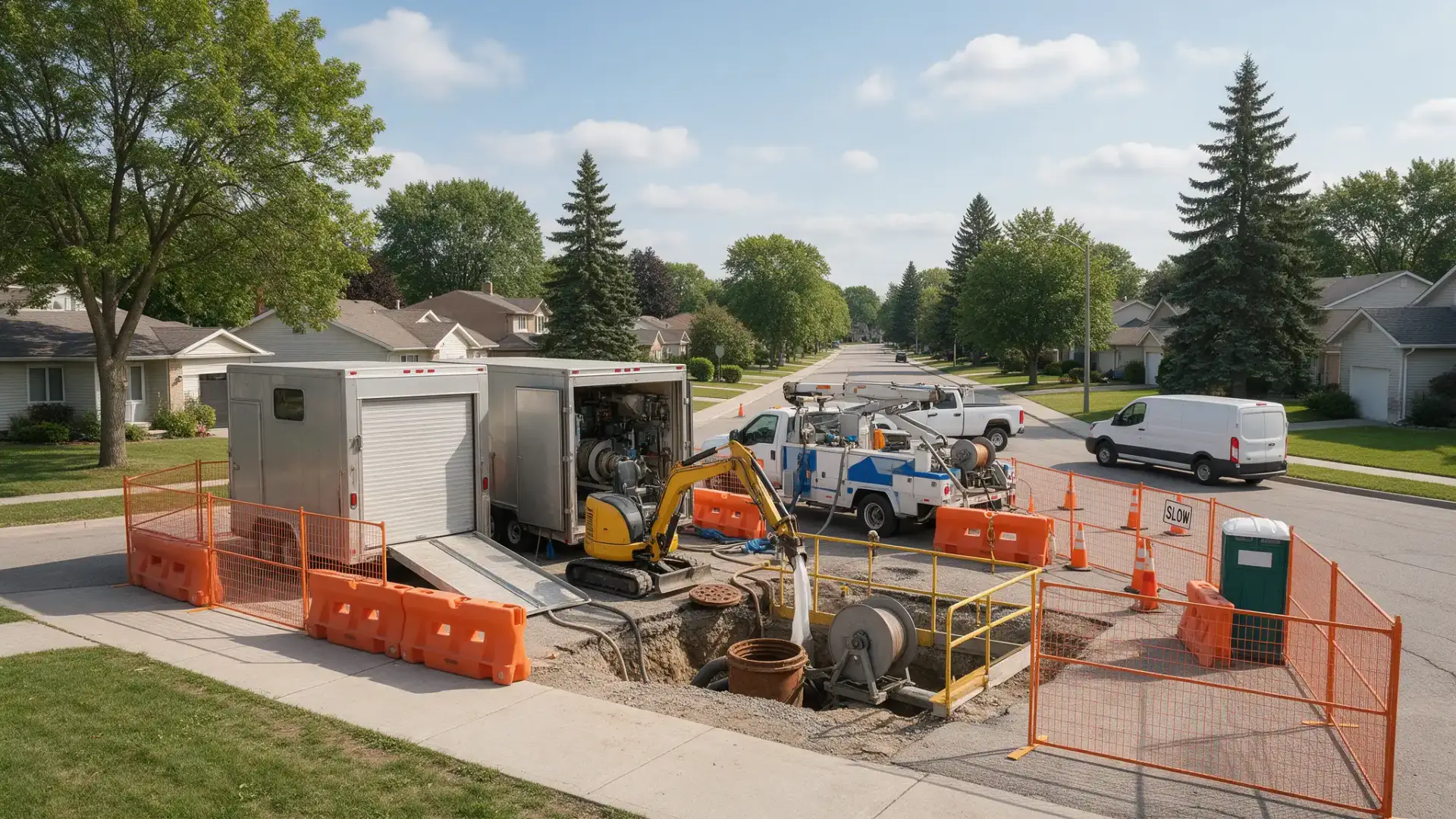
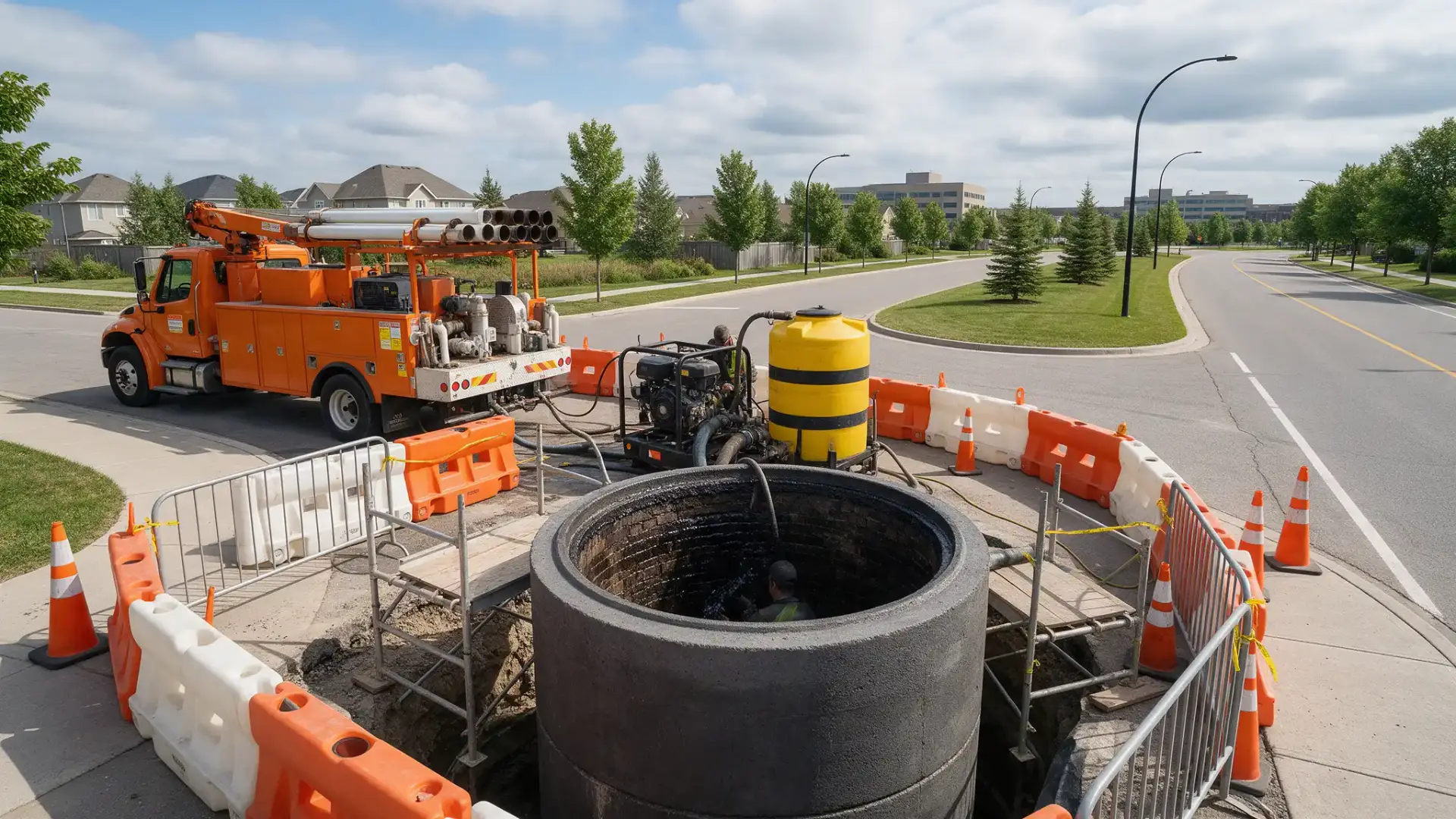
A risk assessment is valuable only when it changes a decision. Results should lead to defined actions, such as inspection, monitoring, pressure management, repair, geotechnical investigation, emergency-planning updates, rehabilitation, or replacement.
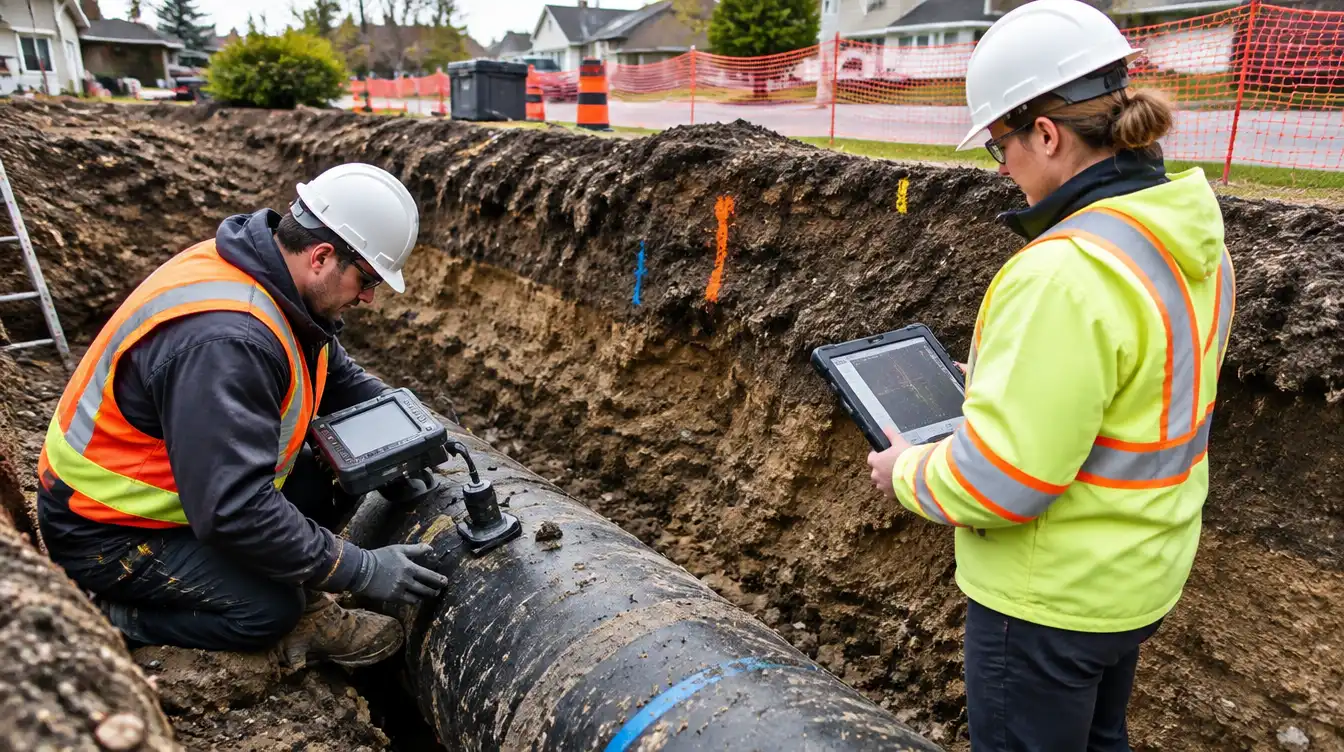
Models should also be updated as new inspection, failure, operating, or environmental information becomes available.
An Integrated Approach
At Avodahtec, we help Alberta infrastructure owners develop fit-for-purpose pipeline risk assessments that connect asset data, credible threats, condition evidence, consequences, uncertainty, and practical mitigation.
Conclusion
Pipeline risk assessment in Alberta ranges from qualitative screening to detailed quantitative analysis. No single method is best for every pipeline.
A defensible assessment uses clear criteria, reliable data, documented assumptions, and results that can be traced to inspection and investment decisions. The goal is not to produce a score—it is to understand risk well enough to act on it.