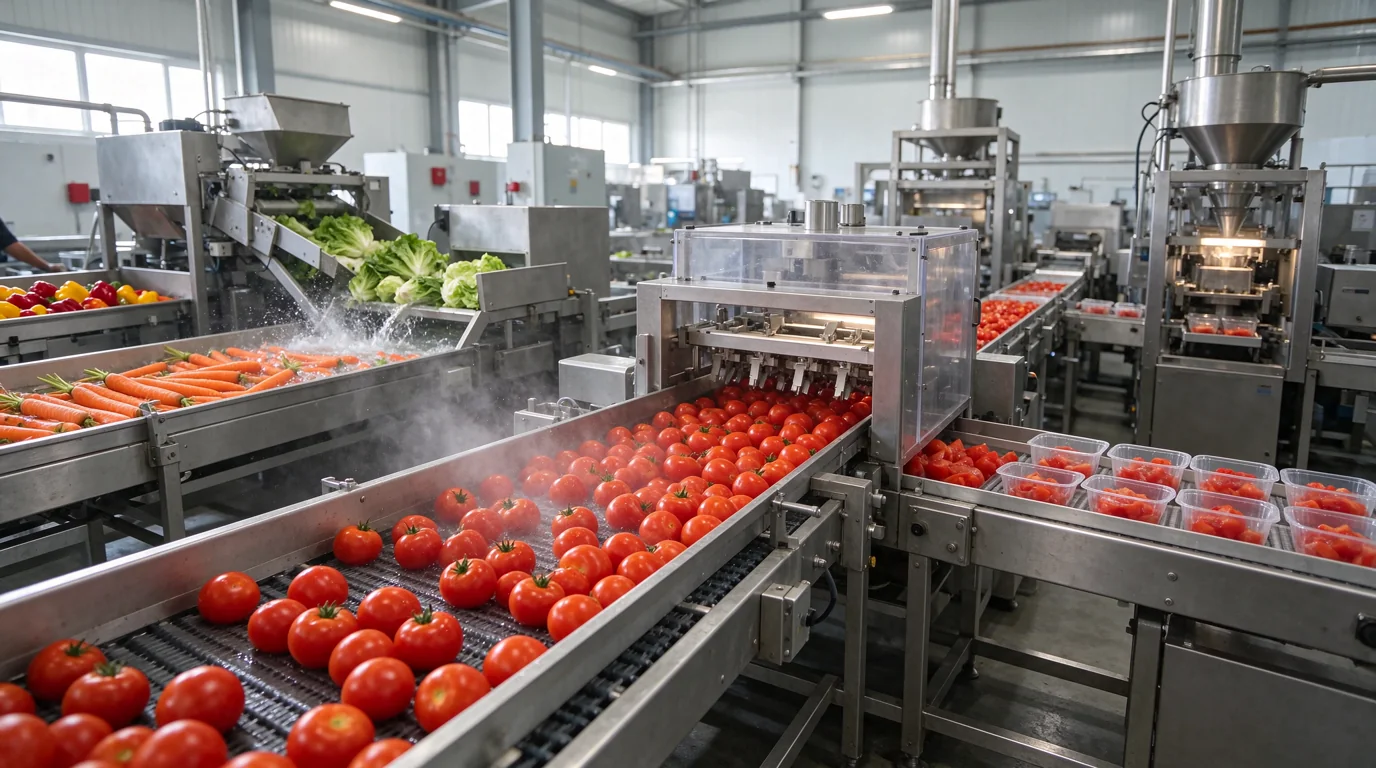
We work with fruit and vegetable processors and packers, meat and poultry processors, dairy, bakery and grain-based food manufacturers, beverage and brewing operations, co-packers and contract food manufacturers, and agri-processing and ingredient facilities. We also support the developers and investors building new food plants, and the operations teams responsible for keeping existing plants safe and productive. Manufacturers of drugs and natural health products are covered on our Pharma and Biotech page.
The challenges food and beverage processors face
Growing capacity without stopping production. Expansions and new lines usually go in beside live production, where construction, sanitation and food safety zoning all have to coexist.
Food safety rules that reach into the building. Under the Safe Food for Canadians Regulations, businesses that import food or prepare it for export or interprovincial trade must have preventive controls in place, and many need a written preventive control plan. Layout, drainage, finishes, water supply and air handling all affect how well those controls work.
Serious process hazards. Ammonia refrigeration, combustible dust from flour, sugar and starch, steam and pressure systems, confined spaces and washdown chemicals create process safety risks that must be managed alongside food safety.
Water, wastewater and utility costs. Food plants use large volumes of water and generate high-strength wastewater that can trigger municipal surcharges or pretreatment requirements, while steam, refrigeration and compressed air drive energy costs.
Aging assets and unplanned downtime. Equipment and utilities that fail without warning cost production, product and customer commitments.
We plan and design new plants, expansions and retrofits using hygienic design principles: sanitary zoning, washdown-ready finishes, floor drainage, and people and product flows that support food safety. Building and Facility Design, Upgrades and Improvements
We assess and design process water, steam, compressed air, ventilation and other plant utilities, and optimize processes to raise throughput and reduce energy use and waste. Industrial Process Safety and Optimization
We complete process hazard analyses, combustible dust hazard assessments, refrigeration and pressure system safety reviews, and machinery and confined space hazard assessments. Industrial Process Safety and Optimization
We characterize process wastewater, evaluate pretreatment and water reuse options, and support discharge approvals and municipal requirements. Environmental Assessment and Permitting
We develop maintenance strategies, equipment criticality rankings and asset plans that reduce unplanned downtime on production lines and utilities. Asset Management and Reliability Engineering
We prepare cost estimates, manage tendering and provide construction inspection for plant expansions, acting as your owner's engineer from concept to commissioning. Project and Construction Management and Inspection
Why food and beverage processors choose Avodahtec
Vendor-neutral equipment and layout decisions
Because we do not sell processing equipment or build plants, we can compare suppliers, layouts and technologies on your terms.
Food safety and worker safety in one design
Our health and safety leadership, including a Canadian Registered Safety Professional, means hazards are designed out alongside food safety risks, not added later.
Agri-food experience
We have supported fresh produce processing and packaging operations in Alberta, from facility work to operational improvements.
Reliability expertise
Our asset management and reliability work, led by a Certified Reliability Leader, focuses on keeping lines and utilities available when production needs them.
Funding ready estimates
Alberta's Agri-Processing Investment Tax Credit offers a 12% non-refundable tax credit for projects investing $10 million or more in value-added agri-processing, and applicants need a third-party engineering estimate of at least Class 4 to apply for conditional approval. We prepare those estimates.
Licensed across Canada
Our engineers hold licensure in Alberta, British Columbia, Saskatchewan, Ontario, Nova Scotia, Quebec and Yukon.
What does a food and beverage engineering firm do?
A food and beverage engineering firm plans, designs and improves the buildings, processes and utilities used to make food and beverages. That includes food plant design, process and utility engineering, safety assessments, wastewater solutions and project management for new plants and expansions.
Can you design a plant expansion while we keep producing?
Yes. We plan expansions around live production, using phasing, temporary separations, hygienic zoning and scheduled tie-ins so that construction does not compromise food safety or output.
Can you help with Alberta's Agri-Processing Investment Tax Credit?
Yes. Applicants for conditional approval need a third-party engineering estimate of at least Class 4, which we can prepare. The province decides eligibility, so confirm the program requirements for your project before applying.
What is hygienic design in a food plant?
Hygienic design means planning the building, layout and equipment so they are easy to clean and hard for contamination to take hold. In practice, that covers sanitary zoning, smooth and cleanable surfaces, sloped floors and effective drainage, controlled air flow, and separation of raw and finished product.
Plan your next food plant project with confidence
Whether you are expanding a line, building a new plant or tackling safety, wastewater or downtime problems, talk to our food plant engineers.