Engineering Services for Indigenous and Remote Communities
Avodahtec provides independent engineering services for Indigenous communities, helping First Nations, Métis Settlements, Inuit and remote northern communities assess, plan, fund and deliver the infrastructure their members rely on every day. We inspect and evaluate water systems, roads, community buildings and housing infrastructure, turn that data into capital plans funders can act on, and manage projects through to commissioning. We have no stake in construction, so our advice serves your community, not a contractor or supplier. Our engineering team is licensed in Alberta, British Columbia, Saskatchewan, Ontario, Nova Scotia, Quebec and Yukon, so we support communities across Western Canada, the North and beyond from our base in Edmonton.
We work with First Nations band administrations and public works departments, tribal councils and their technical services teams, Métis Settlements and Métis governments, Inuit and northern community governments, and Indigenous development corporations. We also support remote and road-limited municipalities, and the agencies and industry proponents that partner with Indigenous communities on shared infrastructure.
The challenges Indigenous and remote communities face
Remote logistics and short building seasons. Winter roads, fly-in access, permafrost and high mobilization costs make every site visit, design decision and construction schedule more expensive and less forgiving.
Rising climate hazards. Wildfire, flooding, permafrost thaw and extreme weather threaten access roads, water supply and critical buildings, and evacuations disrupt services for weeks.
Complex funding with small technical teams. ISC capital programs, Canada Infrastructure Bank loans and provincial grants each demand their own technical evidence, cost estimates and reporting, often from a public works team of one or two people.
We complete E-ACRS and facility condition inspections, build asset registers and turn condition data into a prioritized capital plan with cost estimates funders accept. Asset Management and Reliability Engineering
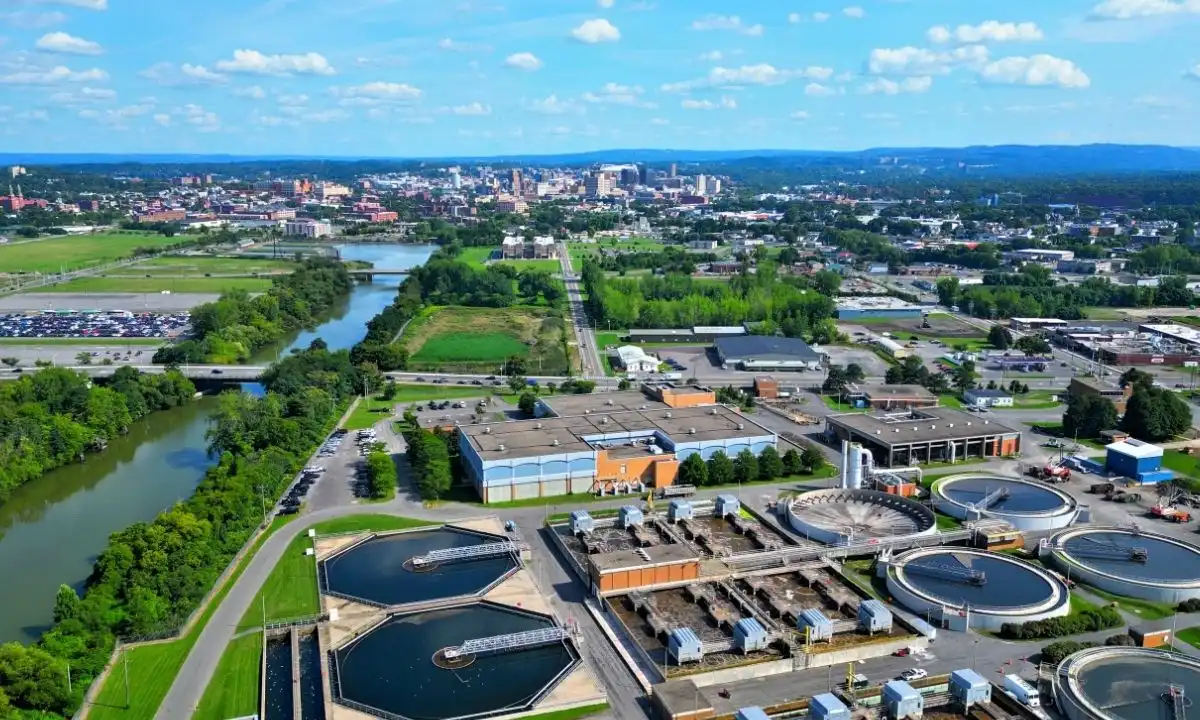
We assess and design upgrades to water treatment, distribution, sewer, lagoon, drainage and road systems sized for small and remote communities. Municipal Infrastructure Engineering
We assess, design and upgrade band offices, schools, health centres, arenas, fire halls and other community buildings. Building and Facility Design, Upgrades and Improvements
We complete hazard, risk and vulnerability assessments and resilience plans that protect access, water supply and critical facilities. Climate and Community Risk and Resilience
We prepare environmental studies and permit applications that respect traditional land use and keep projects moving through federal and provincial review. Environmental Assessment and Permitting
We act as your owner's representative from tender to commissioning, managing contractors, schedule, cost and quality on your behalf. Project and Construction Management and Inspection
We build health and safety programs and custom training that strengthen local operators, public works staff and community contractors. Health, Safety and Environment
Why Indigenous and remote communities choose Avodahtec
Independent advice
We do not build, supply or install, so every recommendation is made in your community's interest.
One team across the full lifecycle
Inspection, planning, design, environmental review and construction oversight sit under one roof, so nothing is lost between phases.
Proven condition assessment expertise
Building and infrastructure condition assessment is a core strength, including work under a provincial building condition assessment master agreement in Alberta.
Licensed across Canada
Our engineers hold licensure in Alberta, British Columbia, Saskatchewan, Ontario, Nova Scotia, Quebec and Yukon.
Yes. E-ACRS inspections of ISC funded community assets are completed every three years by a qualified engineer or architect. We inspect each asset, document its condition and remaining life, estimate repair and replacement costs, and help you use the results to build a multi-year capital plan.
Can you help us prepare an infrastructure funding application?
Yes. We provide the technical evidence funders ask for, including condition assessments, feasibility studies, cost estimates and design briefs. Our deliverables support applications to ISC capital programs, the Canada Infrastructure Bank and provincial infrastructure funds.
Do you work with remote and fly-in communities?
Yes. We plan site work around winter road, barge and flight windows, combine inspections into single trips to control travel costs, and design solutions that local operators can run and maintain with the resources available.
Does Avodahtec work outside Alberta?
Yes. Avodahtec holds professional engineering licensure in Alberta, British Columbia, Saskatchewan, Ontario, Nova Scotia, Quebec and Yukon, and supports clients across Canada.
Plan your community's next infrastructure project with confidence
Whether you need an E-ACRS inspection, a capital plan or an owner's engineer for a water project, our team is ready to help.